Complete High Reliability Solution for Electric Motorcycle Using High-Quality 18650 LFP Cells: Top 5 Problems & Solutions
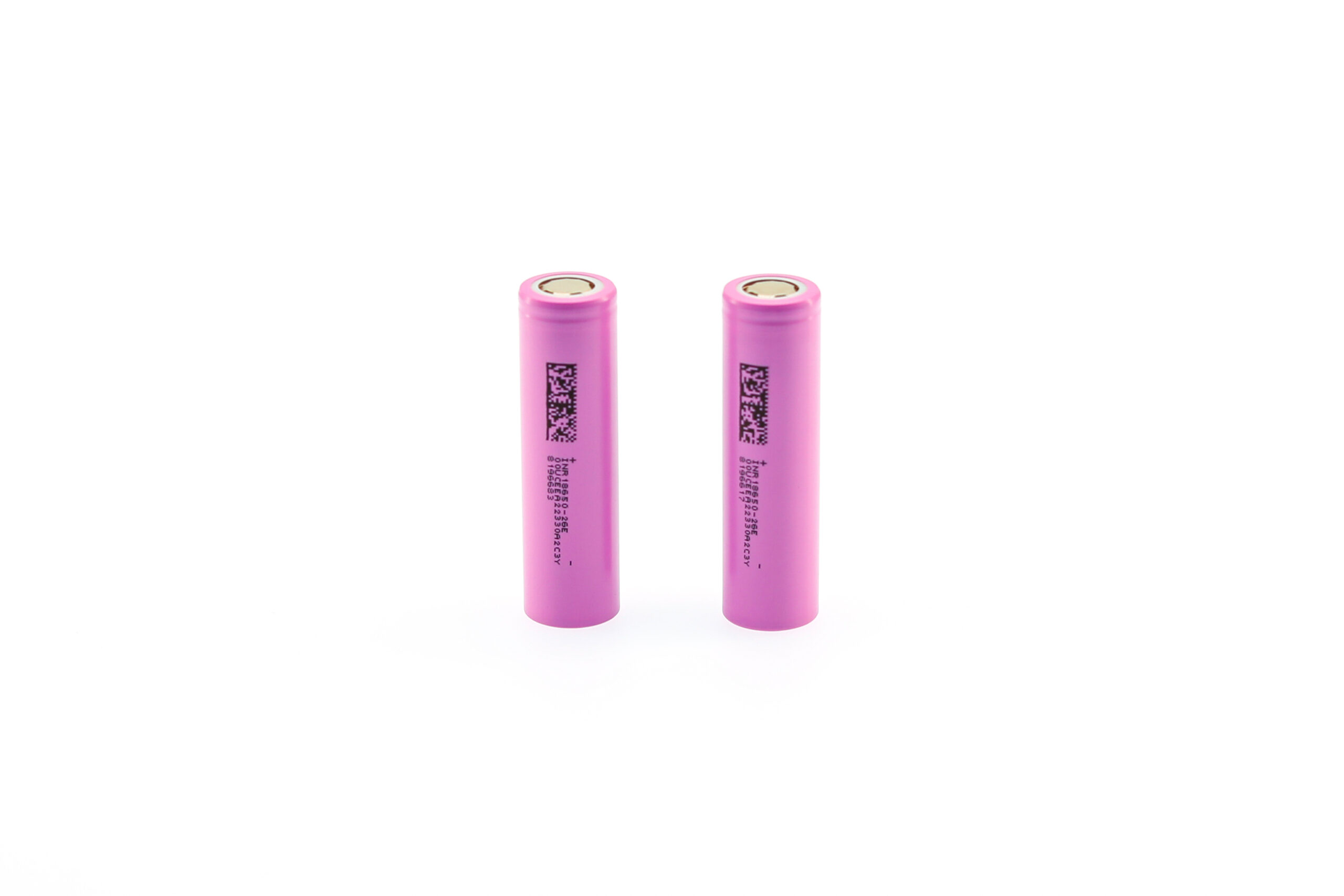
The electric motorcycle market is experiencing unprecedented growth, with manufacturers increasingly adopting 18650 LFP (Lithium Iron Phosphate) cells for their superior safety profile, extended cycle life, and cost-effectiveness. However, building a high-reliability battery system requires addressing critical engineering challenges. This article outlines the top 5 problems encountered when deploying 18650 LFP cells in electric motorcycles and provides actionable solutions for B2B buyers and manufacturers.
Problem 1: Thermal Management Under High-Load Conditions
Challenge: Electric motorcycles demand high discharge rates during acceleration and hill climbing. Without proper thermal management, 18650 LFP cells can experience temperature spikes exceeding 60°C, accelerating degradation and compromising safety.
Solution: Implement a multi-layer thermal management system combining passive cooling (aluminum heat sinks) with active airflow channels. Maintain cell operating temperatures between 15°C-45°C for optimal performance. Advanced pack designs should incorporate thermal interface materials (TIM) between cells and housing.
Case Reference: Leading European e-motorcycle manufacturers report 40% longer battery lifespan when maintaining consistent thermal profiles across all cells.
Problem 2: Cell Consistency & Voltage Matching
Challenge: Even minor variations in capacity, internal resistance, or voltage among 18650 cells can cause imbalanced charging/discharging, reducing overall pack efficiency and creating safety risks.
Solution: Source cells from manufacturers with strict grading standards (±50mAh capacity tolerance, ±5mΩ internal resistance). Implement pre-assembly cell matching procedures and utilize high-quality cylindrical battery cells that meet international consistency standards.
Procurement Tip: Request detailed cell specification sheets including capacity distribution curves and batch test reports before bulk purchasing.
Problem 3: BMS Integration & Communication Protocols
Challenge: Inadequate Battery Management System (BMS) integration can lead to overcharge, over-discharge, or cell imbalance—critical failure points in motorcycle applications subject to vibration and environmental stress.
Solution: Deploy smart BMS with real-time monitoring of voltage, temperature, and current for each cell group. Ensure CAN bus or UART communication compatibility with motorcycle controllers. Select BMS with automotive-grade components rated for -40°C to 85°C operation.
Technical Note: A robust BMS should include cell balancing (passive or active), short-circuit protection, and State-of-Charge (SOC) accuracy within ±3%.
Problem 4: Safety Compliance & Certification Requirements
Challenge: Different markets impose varying safety standards (UN38.3, IEC 62133, UL 2271, CE, RoHS). Non-compliance can result in shipment rejections, legal liabilities, and brand damage.
Solution: Partner with certified battery manufacturers in China who maintain comprehensive testing laboratories and can provide full documentation packages. Ensure cells and packs pass vibration, shock, drop, and thermal abuse tests specific to two-wheeler applications.
Compliance Checklist:
- UN38.3 (Transportation Safety)
- IEC 62133-2 (Secondary Cells)
- UL 2271 (Light Electric Vehicle Batteries)
- Regional certifications (CE, FCC, PSE as applicable)
Problem 5: Cycle Life Degradation & Warranty Claims
Challenge: Electric motorcycle batteries typically require 1,500-2,000 full cycles. Premature capacity fade below 80% leads to warranty claims and customer dissatisfaction.
Solution: Optimize charging protocols (CC-CV with 0.5C-1C rates), avoid deep discharge below 2.5V per cell, and implement temperature-compensated charging. LFP chemistry inherently offers 2,000-3,000+ cycles when properly managed.
Industry Data: Well-engineered 18650 LFP packs maintain 85% capacity after 2,000 cycles under standard operating conditions, significantly outperforming NMC alternatives in longevity.
Strategic Procurement Recommendations
For B2B buyers sourcing 18650 LFP solutions:
- Verify Manufacturer Credentials: Request factory audit reports and quality management certifications (ISO 9001, IATF 16949)
- Demand Sample Testing: Conduct independent verification of capacity, internal resistance, and cycle life before volume orders
- Establish Clear Specifications: Define exact requirements for dimensions, terminals, welding compatibility, and packaging
- Secure After-Sales Support: Ensure technical support availability and warranty terms are documented
For comprehensive product portfolios and direct manufacturer engagement, explore CNS Battery’s cylindrical cell offerings and connect with their team via the official contact page.
Conclusion
Building a high-reliability electric motorcycle battery system with 18650 LFP cells requires systematic attention to thermal management, cell consistency, BMS integration, compliance, and cycle life optimization. By addressing these five critical areas with proven engineering solutions and partnering with qualified suppliers, manufacturers can deliver safe, durable, and cost-competitive products to the global market.
The transition to LFP chemistry represents a strategic advantage for electric motorcycle manufacturers seeking to balance performance, safety, and total cost of ownership. With proper implementation, 18650 LFP-based systems can achieve 5+ years of reliable service in demanding two-wheeler applications.