Complete High Reliability Solution for Electric Motorcycle Using High-Quality 18650 LFP Cells Ideal for Manufacturers
The global electric motorcycle market is undergoing a massive transformation. As manufacturers shift from lead-acid to Lithium Iron Phosphate (LFP) technology, the demand for robust, high-reliability power solutions has never been higher. For OEMs and commercial buyers, the challenge isn’t just finding a battery; it’s sourcing a complete solution that guarantees safety, longevity, and performance under extreme conditions.
This article explores the engineering behind building a high-reliability electric motorcycle battery pack using high-quality 18650 LFP cells. We will dissect the technical requirements, the science of cell selection, and how partnering with a specialized manufacturer ensures your product meets the rigorous demands of modern transportation.
The Engineering Imperative: Why 18650 LFP is the Standard for E-Motorcycles
When designing a powertrain for an electric motorcycle, reliability is not optional—it is mandatory. Unlike consumer electronics, a motorcycle battery operates in a harsh environment: exposed to vibration, thermal cycling, and high current loads. The choice of the 18650 cylindrical cell format, specifically Lithium Iron Phosphate (LFP), is a strategic engineering decision driven by physics and material science.
1. Thermal Stability and Safety (The “LFP” Advantage)
The primary reason manufacturers are migrating to LFP chemistry is safety. Traditional NMC (Nickel Manganese Cobalt) cells, while energy-dense, are prone to thermal runaway if punctured or overheated. LFP cells, however, have a much higher thermal runaway threshold. The Olivine crystal structure of the LFP cathode is inherently stable. Even under abuse (nail penetration, overcharging, or external fire), LFP cells do not decompose into oxygen, eliminating the risk of explosion. For a motorcycle that might be involved in a crash, this intrinsic safety is non-negotiable.
2. Mechanical Robustness of the 18650 Format
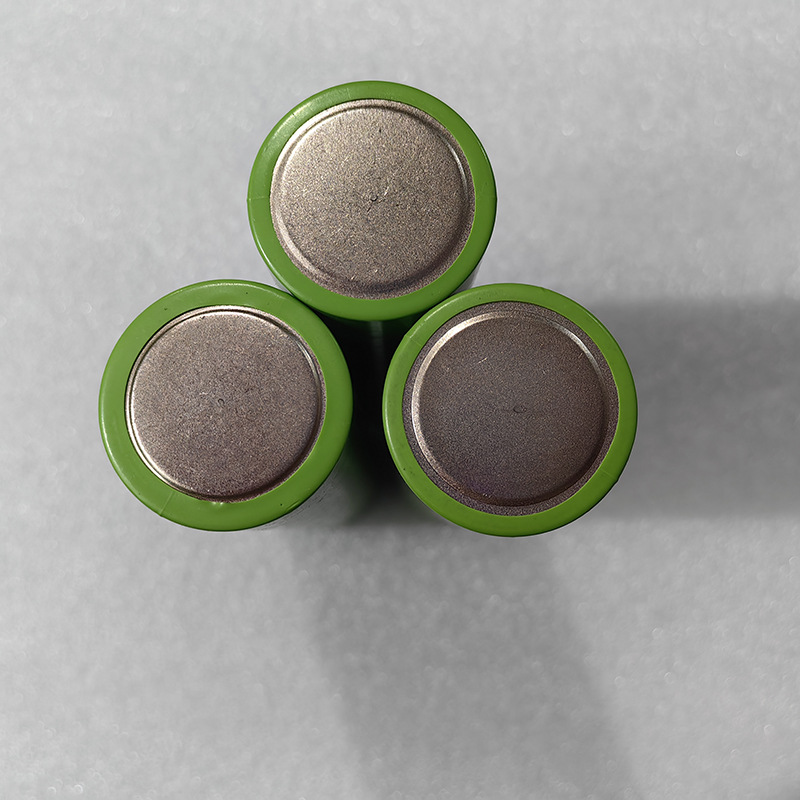
The 18650 cell (18mm diameter, 65mm height) is the industry standard for a reason. Its cylindrical steel-jacketed design offers superior mechanical strength compared to pouch or prismatic cells. This rigidity is crucial for resisting the micro-vibrations generated by a moving motorcycle, which can fatigue and crack weaker cell housings over time. Furthermore, the uniform geometry of cylindrical cells allows for optimal thermal management within the Battery Management System (BMS), ensuring even heat distribution during high-speed riding.
3. Cycle Life and Total Cost of Ownership (TCO)
Electric motorcycles are expected to last for years. LFP 18650 cells typically offer 2000 to 3000+ charge cycles while retaining over 80% of their capacity. This longevity directly translates to a lower Total Cost of Ownership (TCO) for the end-user and enhances the brand reputation of the manufacturer for building durable products.
Building a “Complete Solution”: Beyond the Cell
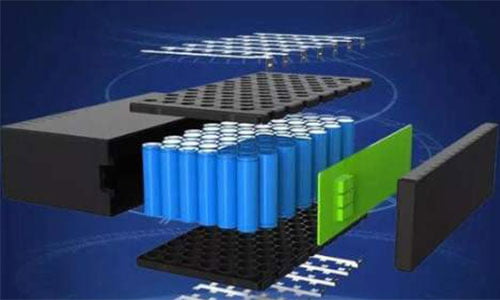
A battery is not just a collection of cells; it is a complex electrochemical system. For manufacturers, sourcing “High-Quality 18650 LFP Cells” is only the first component. A complete high-reliability solution requires integration at three levels:
- Cell Level: Strict sorting (binning) of cells based on capacity, voltage, and internal resistance to ensure pack consistency.
- Module Level: Robust mechanical housing and busbar connections designed to withstand high vibration.
- System Level: An intelligent BMS that manages cell balancing, over-current protection, and temperature monitoring.
Without a holistic approach, even the best cells can fail prematurely due to imbalance or external stress.
Technical Deep Dive: The Anatomy of a High-Reliability Pack
To achieve “High Reliability,” manufacturers must address specific technical challenges inherent to two-wheeled applications.
1. Vibration Dampening and Structural Adhesives
Motorcycles generate significantly more vibration than cars. A high-reliability solution utilizes specialized structural adhesives (often thermally conductive epoxies) to pot the cells. This serves a dual purpose:
- It mechanically locks the cells in place, preventing internal micro-shorting caused by vibration.
- It acts as a heat transfer medium, pulling heat away from the cell surface to the outer casing.
2. High-Current BMS Design
Electric motorcycles require high discharge rates (often 20C to 30C bursts). The BMS must be designed with high-grade MOSFETs capable of handling these currents without overheating. A “High Reliability” BMS includes redundant protection circuits for over-voltage, under-voltage, over-temperature, and short-circuit conditions. Advanced BMS units also offer CAN bus communication, allowing the motorcycle’s ECU to monitor battery health in real-time.
3. Environmental Sealing (IP Rating)
Since the battery is exposed to rain, dust, and road debris, a high ingress protection (IP) rating is essential. A complete solution involves sealing the entire pack to at least IP67 standards, ensuring it remains operational even after submersion or heavy downpours.
Why Manufacturers Need Specialized Partnerships
Transitioning to a “High Reliability” LFP platform requires more than just purchasing cells off a shelf. It requires a partner who understands the specific application engineering required for electric motorcycles.
Generic battery suppliers often provide “one-size-fits-all” cells that lack the necessary grading for high-vibration environments. A specialized manufacturer provides:
- Custom Form Factors: Adapting the cylindrical cell layout to fit the specific chassis geometry of the motorcycle.
- Application-Specific Chemistry: Tuning the LFP formulation for either maximum power (for sports bikes) or maximum range (for touring bikes).
- Compliance & Certification: Navigating the complex web of international safety standards (UN38.3, CE, UL, KC) required to sell in different global markets.
CNS BATTERY: Your Partner for High-Performance 18650 LFP Solutions
As a leading manufacturer in the lithium battery industry, CNS BATTERY is dedicated to providing OEMs with the “Complete High Reliability Solution” they need for electric motorcycles. We understand that manufacturers require more than just cells; they require a partner that guarantees performance and safety.
1. Superior 18650 Cell Technology
We specialize in high-quality cylindrical cells, including advanced LFP formulations. Our cells undergo rigorous 100% inspection and grading to ensure consistent performance. With a focus on high energy density and long cycle life, our 18650 cells are engineered to withstand the thermal and mechanical stresses of electric mobility.
2. Comprehensive Customization
We don’t believe in off-the-shelf limitations. Our R&D team works directly with manufacturers to develop custom battery modules and BMS systems tailored to the specific power requirements and physical constraints of your motorcycle design.
3. Global Compliance and Support
Navigating the global market is complex. We assist our partners in meeting international regulatory standards, ensuring your product can be shipped and sold worldwide without compliance hurdles.
If you are a manufacturer seeking a reliable, high-quality 18650 LFP solution for your electric motorcycle lineup, contact CNS BATTERY today. Let us help you engineer a power system that defines the future of reliable electric transportation.
Explore our range of cylindrical battery cells and discover how our technology can power your next generation of electric motorcycles. For specific inquiries or to discuss a custom solution, please visit our contact page or browse our product catalog.
Sources:
- Cylindrical Battery Cell Product Range: https://cnsbattery.com/products-3/cylindrical-battery-cell/
- About CNS BATTERY and Manufacturing Capabilities: https://cnsbattery.com/battery-manufacturers-in-china/