Complete High Discharge Rate Solution for ESS Using High-Quality 18650 LFP Cells Ideal for Manufacturers
Introduction
The global energy storage system (ESS) market continues to expand rapidly, with manufacturers seeking reliable, high-performance battery solutions that balance safety, longevity, and discharge capabilities. Among various chemistries, Lithium Iron Phosphate (LFP) cylindrical cells, particularly the 18650 format, have emerged as a preferred choice for high discharge rate applications. This article provides a comprehensive technical analysis for engineers and procurement professionals evaluating 18650 LFP cells for ESS manufacturing.
Technical Advantages of 18650 LFP Chemistry
LFP chemistry offers inherent safety advantages over NMC or NCA alternatives due to its stable olivine crystal structure. The phosphate-oxygen bonds are significantly stronger, reducing thermal runaway risks during high-current discharge scenarios. For ESS applications requiring sustained discharge rates of 3C to 5C, 18650 LFP cells typically maintain 95% capacity retention after 2,000+ cycles at 80% depth of discharge.
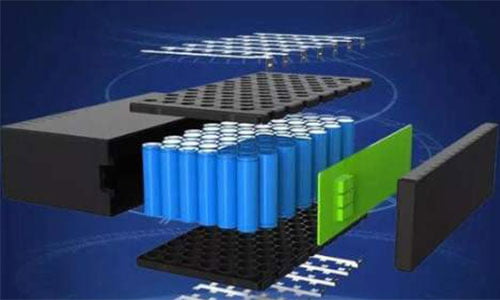
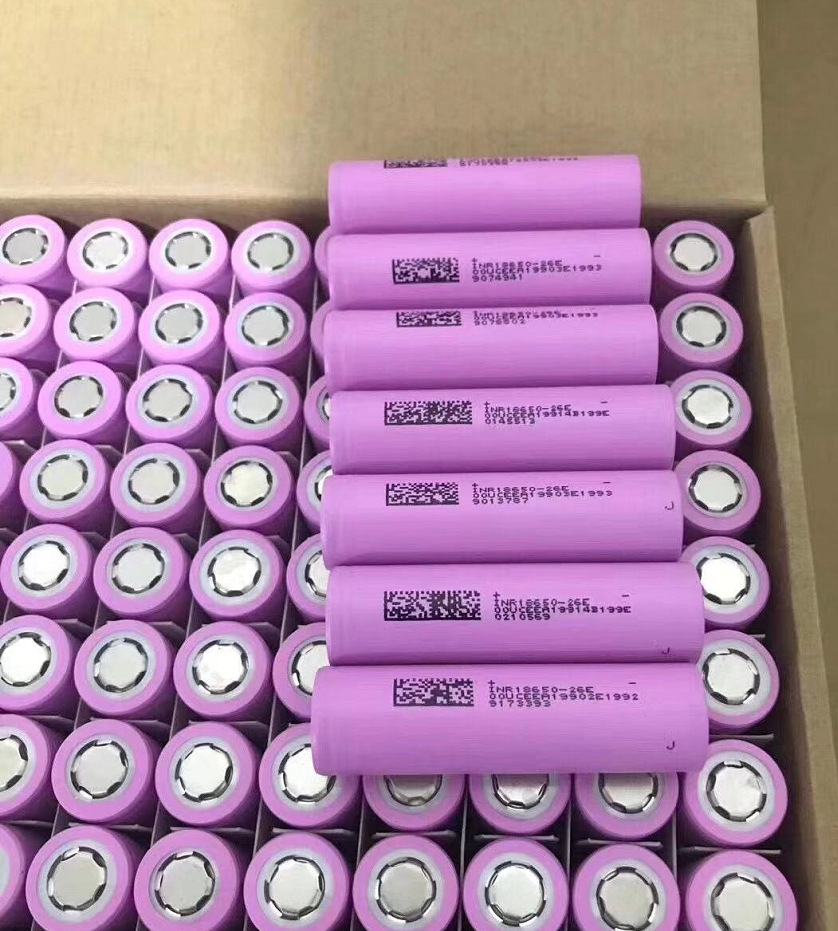
The cylindrical 18650 form factor provides mechanical robustness and efficient thermal management. The steel casing withstands internal pressure variations during high-rate discharge, while the standardized dimensions enable automated pack assembly with consistent cell-to-cell spacing for optimal heat dissipation.
High Discharge Rate Performance Considerations
When selecting 18650 LFP cells for high discharge ESS applications, several technical parameters require careful evaluation:
Internal Resistance (IR): Premium cells should demonstrate DC-IR below 35mΩ at 1kHz. Lower internal resistance minimizes voltage sag during peak discharge and reduces heat generation. Manufacturers should request IR distribution data across production batches.
Continuous vs. Pulse Discharge: Distinguish between continuous discharge ratings (typically 1C-3C for standard LFP) and pulse discharge capabilities (up to 10C for 10 seconds). ESS applications often require both specifications depending on grid stabilization or backup power requirements.
Thermal Management: At 5C discharge rates, cell surface temperatures can increase 15-20°C above ambient. Proper pack design must incorporate thermal monitoring and active cooling for sustained high-rate operations.
Quality Control Standards for Manufacturers
Reputable battery manufacturers implement multi-stage quality control protocols:
- Incoming Material Inspection: Cathode material purity, electrolyte composition, and separator thickness verification
- Formation Cycling: Gradual activation cycles to stabilize SEI layer formation
- Aging & Sorting: 7-14 day aging periods with capacity and IR binning for pack matching
- Safety Testing: Overcharge, short-circuit, nail penetration, and thermal shock validation per UN38.3 and IEC62619 standards
Manufacturers should request complete test reports including cycle life data at application-specific discharge rates, not just standard 1C testing.
Supply Chain and Manufacturing Partnership
Selecting the right battery cell supplier requires evaluating production capacity, certification compliance, and technical support capabilities. Established manufacturers maintain consistent chemistry formulations across production runs, ensuring pack performance predictability. Geographic diversification of supply chains has become critical for business continuity.
For comprehensive manufacturer evaluation and technical consultation, visit https://cnsbattery.com/battery-manufacturers-in-china/ to assess qualified suppliers meeting international standards.
Integration Best Practices
Successful ESS integration requires matching cell specifications to application requirements:
- BMS Compatibility: Ensure battery management systems support LFP voltage profiles (2.5V-3.65V) and accurate SOC estimation algorithms
- Parallel Configuration: Limit parallel groups to 4-8 cells for manageable current balancing
- Series Voltage: Standard 48V systems typically use 15S configurations (54V nominal)
- Welding Specifications: Laser welding parameters must prevent case penetration while ensuring low-resistance connections
Detailed product specifications for cylindrical cells are available at https://cnsbattery.com/products-3/cylindrical-battery-cell/ for technical review.
Conclusion
High discharge rate ESS applications demand rigorous cell selection, thorough quality verification, and experienced manufacturing partnerships. 18650 LFP cells provide an optimal balance of safety, cycle life, and power density when sourced from qualified suppliers with proven track records. Engineers and procurement teams should prioritize suppliers offering comprehensive technical documentation, consistent production quality, and responsive support channels.
For direct technical consultation and customized ESS solutions, contact our engineering team at https://cnsbattery.com/contact-2/ to discuss your specific application requirements and receive detailed specification sheets.
This technical guide serves as a reference for ESS manufacturers evaluating 18650 LFP cell solutions. All specifications should be verified against current production data and application-specific testing.