Complete High Discharge Rate Solution for ESS Using High-Quality 18650 LFP Cells Guaranteed
The global energy storage system (ESS) market is experiencing unprecedented growth, with demand for reliable, high-performance battery solutions reaching new heights in 2026. For commercial and industrial applications requiring rapid power delivery, 18650 LFP (Lithium Iron Phosphate) cells have emerged as the optimal choice for high discharge rate applications. This comprehensive guide explores why premium 18650 LFP cells deliver guaranteed performance for demanding ESS installations across North America, Europe, and Asia-Pacific regions.
Why 18650 LFP Cells Lead High Discharge ESS Applications
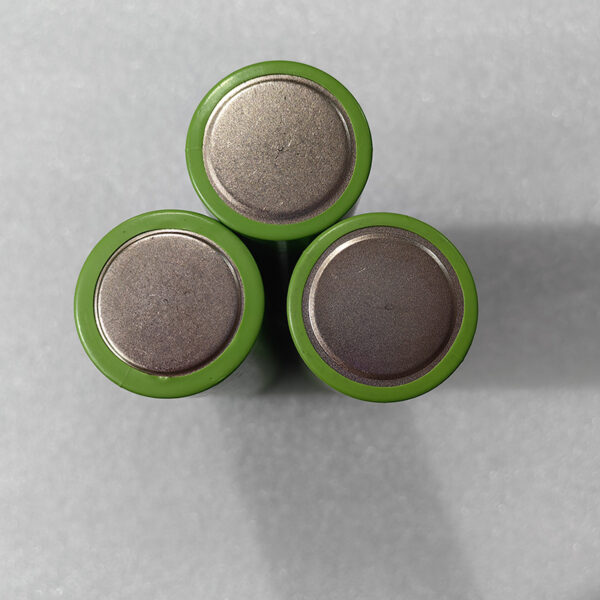
The 18650 cylindrical form factor—18mm in diameter and 65mm in length—represents one of the most mature and standardized battery technologies available today. When combined with LFP chemistry, these cells offer exceptional thermal stability, extended cycle life exceeding 6,000 charges, and superior safety characteristics compared to NCM or NCA alternatives.
Key Technical Advantages:
- Continuous Discharge Capability: High-quality 18650 LFP cells support sustained discharge rates of 3C to 5C, with peak bursts reaching 10C for critical load management
- Thermal Resilience: LFP chemistry maintains structural integrity at temperatures up to 80°C, reducing thermal runaway risks in high-current applications
- Low Internal Resistance: Premium cells feature internal resistance below 30mΩ, minimizing voltage drop and heat generation during high-rate discharge
- Calendar Life: Expected operational lifespan of 10-15 years under proper BMS management
For businesses evaluating battery manufacturers in China, understanding these technical specifications is crucial for selecting partners capable of delivering consistent A-grade cells with verified performance data.
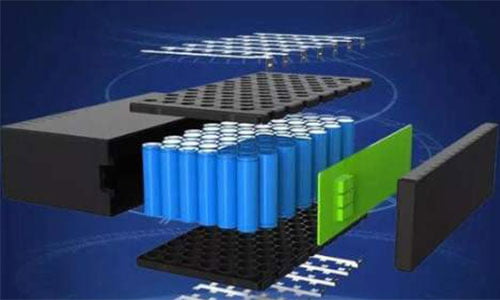
Core Components of a Complete High Discharge ESS Solution
1. Cell Selection and Quality Assurance
Not all 18650 LFP cells are created equal. Grade-A cells from certified manufacturers undergo rigorous testing including cycle life validation, safety assessments (overcharge, nail penetration, thermal abuse), and electrochemical impedance spectroscopy (EIS) analysis. When sourcing cylindrical battery cells, buyers should request:
- Third-party certification documents (UL, IEC, UN38.3)
- Batch-specific capacity and internal resistance reports
- Cycle life test data at relevant C-rates and temperatures
- Traceability documentation for quality assurance
2. Battery Management System (BMS) Integration
A sophisticated BMS is essential for maximizing 18650 LFP pack performance in high discharge scenarios. Advanced systems monitor individual cell voltage, temperature, and current distribution, ensuring balanced operation across parallel and series configurations. Key BMS features for high-rate ESS include:
- Real-time cell balancing during charge and discharge cycles
- Over-current protection with millisecond response times
- Thermal management integration with active cooling systems
- State-of-Charge (SOC) and State-of-Health (SOH) algorithms calibrated for LFP chemistry
3. Thermal Management Architecture
High discharge rates generate significant heat. Effective thermal design incorporates:
- Air or liquid cooling systems sized for peak load conditions
- Thermal interface materials between cells and cooling plates
- Temperature sensors distributed throughout the pack
- Ventilation pathways preventing hot spot accumulation
Geographic Considerations for ESS Deployment
Regional requirements significantly influence ESS design specifications:
North America: UL 9540A compliance mandatory for commercial installations. Cold climate performance (-20°C to 45°C operating range) critical for Canadian and northern US deployments.
Europe: IEC 62619 and CE marking required. Emphasis on recyclability and second-life applications aligns with EU Battery Regulation 2023.
Asia-Pacific: Diverse climate conditions from tropical Southeast Asia to temperate Australia demand flexible thermal management. Growing commercial & industrial solar+storage projects drive 18650 LFP adoption.
Middle East & Africa: High ambient temperatures (up to 50°C) necessitate enhanced cooling capacity and derating strategies for sustained performance.
Performance Validation and Testing Protocols
Reputable manufacturers provide comprehensive validation data including:
- Cycle Life Testing: 6,000+ cycles at 80% DOD with 0.5C charge/1C discharge
- Safety Testing: Overcharge, short circuit, drop, vibration, and thermal abuse per IEC 62133
- Performance Curves: Discharge voltage profiles at 1C, 3C, and 5C rates across temperature ranges
- Aging Analysis: Capacity retention projections at 5, 10, and 15-year intervals
Partner Selection for Long-Term ESS Success
Choosing the right manufacturing partner extends beyond initial pricing. Consider:
- Manufacturing capacity and scalability for project timelines
- Quality control systems and defect rates (target <0.1%)
- Technical support availability across time zones
- Warranty terms and replacement policies
- Supply chain transparency for raw materials
For detailed technical consultations and project-specific quotations, reach out through our contact page to connect with engineering specialists familiar with high discharge ESS requirements in your region.
Conclusion: Guaranteed Performance Through Quality Foundation
The promise of guaranteed high discharge performance in ESS applications rests fundamentally on cell quality, system design, and manufacturing excellence. 18650 LFP technology, when properly implemented with Grade-A cells from verified suppliers, delivers the reliability, safety, and longevity that commercial and industrial energy storage demands.
As the global transition to renewable energy accelerates, businesses investing in ESS infrastructure must prioritize component quality over short-term cost savings. The total cost of ownership for premium 18650 LFP solutions—factoring in reduced replacement frequency, lower maintenance requirements, and minimized downtime—consistently outperforms lower-grade alternatives over the system lifecycle.
For organizations ready to deploy high-performance energy storage systems with confidence, partnering with established manufacturers who guarantee cell specifications and provide comprehensive technical support represents the most strategic path forward in 2026 and beyond.