

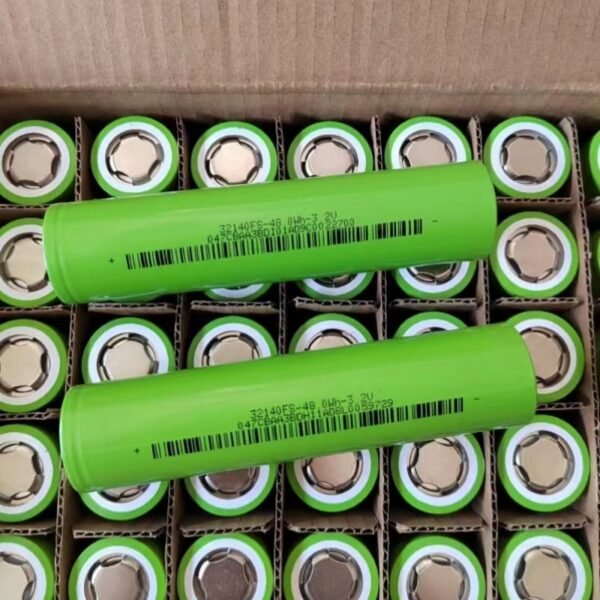
Complete Guide to 21700 LiFePO4 Cells: Perfect for E-bike with Zero Swelling Wholesale Bulk Low Price
The electric mobility revolution demands battery solutions that balance performance, safety, and cost-effectiveness. Among cylindrical cell formats, the 21700 LiFePO4 battery has emerged as the optimal choice for e-bike applications, offering zero swelling characteristics, extended cycle life, and competitive wholesale pricing for bulk procurement. This comprehensive guide dissects the technical advantages, testing methodologies, and regional compliance considerations essential for engineers and technical purchasers evaluating battery suppliers.
Technical Parameters & Performance Advantages
The 21700 format (21mm diameter × 70mm length) represents a strategic evolution from the legacy 18650 standard, delivering approximately 35% higher energy capacity within a marginally larger footprint. For LiFePO4 chemistry specifically, this translates to nominal voltages of 3.2V per cell with typical capacities ranging from 4,000mAh to 5,000mAh depending on manufacturer specifications.
Zero Swelling Technology addresses one of the most critical failure modes in lithium battery deployments. Traditional lithium-ion cells experience volumetric expansion during charge-discharge cycles due to electrode material phase changes. Advanced 21700 LiFePO4 cells incorporate reinforced steel casings, optimized electrode coatings, and precision welding techniques that maintain structural integrity beyond 3,000+ cycles. This characteristic is particularly vital for e-bike applications where vibration, temperature fluctuations, and mechanical stress are constant operational factors.
Key performance metrics for premium 21700 LiFePO4 cells include:
- Cycle Life: 3,000-6,000 cycles at 80% depth of discharge
- Operating Temperature: -20°C to 60°C with minimal capacity degradation
- Internal Resistance: Below 8mΩ for high-power discharge applications
- Energy Density: 160-180 Wh/kg at cell level
- Self-Discharge Rate: Less than 3% per month at 25°C
Quality Testing Methodologies
Professional battery procurement requires verification through standardized testing protocols. Reputable manufacturers implement multi-stage quality assurance processes aligned with international standards.
Electrical Performance Testing encompasses capacity verification at 0.5C discharge rates, internal resistance measurement using AC impedance spectroscopy, and rate capability assessment across 0.2C to 3C discharge profiles. Each production batch should undergo statistical sampling with minimum 95% confidence intervals for capacity consistency.
Safety & Reliability Testing includes overcharge protection validation (charging to 150% nominal capacity), short-circuit resistance testing, thermal runaway threshold identification, and mechanical abuse testing per UN 38.3 transportation requirements. For e-bike specific applications, vibration testing simulating 100+ hours of road conditions ensures cell integrity under real-world operating environments.
Swelling Assessment utilizes precision dimensional measurement before and after accelerated cycling (500+ cycles at elevated temperatures). Premium cells demonstrate less than 0.5% volumetric expansion, confirming zero swelling claims through empirical data rather than marketing assertions.
Regional Compliance & Technical Barriers
Global battery procurement necessitates understanding regional regulatory frameworks that create technical barriers for market entry. European Union requirements under the new EU Battery Regulation (2023/1542) mandate carbon footprint declarations, recycled content minimums, and end-of-life recycling protocols effective from 2026. CE certification, UN 38.3 transportation compliance, and IEC 62619 safety standards form the baseline for European market access.
United States compliance centers on UL 1642 cell safety certification, UL 2580 battery system standards, and DOT hazardous materials transportation requirements. The Inflation Reduction Act introduces additional domestic content preferences affecting procurement decisions for government-contracted e-bike programs.
Established battery manufacturers navigate these compliance landscapes through dedicated testing laboratories, certified quality management systems (ISO 9001, IATF 16949), and regional distribution networks ensuring timely technical support. For technical purchasers evaluating Chinese battery suppliers, verification of export certifications, third-party test reports from recognized laboratories (TÜV, SGS, UL), and demonstrated compliance history significantly reduces procurement risk.
CNS Battery has established comprehensive technical capabilities addressing these regional requirements through dedicated R&D investment and international certification portfolios. Their cylindrical battery cell production lines maintain traceability from raw material sourcing through final packaging, enabling complete documentation for customs clearance and regulatory audits across EU and US markets. For detailed product specifications and technical consultation, visit https://cnsbattery.com/products-3/cylindrical-battery-cell/ to review certified 21700 LiFePO4 offerings.
Wholesale bulk pricing advantages stem from manufacturing scale, vertical integration of supply chains, and optimized logistics networks. However, technical purchasers must balance cost considerations against long-term reliability, warranty support, and compliance documentation completeness. The lowest unit price often correlates with compromised quality controls or incomplete certification portfolios creating hidden costs through field failures or regulatory penalties.
For procurement teams evaluating battery suppliers, requesting sample cells for independent testing, reviewing audit reports from previous international customers, and verifying certification authenticity through issuing bodies represents prudent due diligence. Direct manufacturer communication enables clarification of technical specifications, customization options, and delivery timelines critical for project planning.
To initiate technical discussions or request detailed compliance documentation for your specific market requirements, contact the engineering team at https://cnsbattery.com/contact-2/ for personalized support addressing your e-bike battery integration challenges.
Understanding the complete landscape of battery manufacturing capabilities in China helps international purchasers identify partners with genuine technical depth versus trading companies lacking production oversight. Comprehensive manufacturer directories provide transparency into production capacities, certification portfolios, and export experience. Additional insights into qualified battery manufacturers can be found at https://cnsbattery.com/battery-manufacturers-in-china/ supporting informed supplier selection decisions.
The 21700 LiFePO4 format delivers compelling value propositions for e-bike applications when sourced from technically competent manufacturers with verified compliance credentials. Zero swelling characteristics, extended cycle life, and competitive wholesale pricing converge to make this cell format the strategic choice for next-generation electric mobility platforms targeting global markets with stringent safety and environmental requirements.

