Complete Factory Audit IATF16949 Solution for Electric Motorcycle Using High-Quality 60130 LFP Cells Top 5 Problems & Solutions
The electric motorcycle industry is undergoing a rapid transformation, driven by the global demand for sustainable transportation. As Original Equipment Manufacturers (OEMs) strive to innovate, the selection of the right battery technology is no longer just about energy storage—it is about securing a competitive advantage through reliability, safety, and compliance.
For manufacturers targeting international markets, navigating the IATF 16949 certification process is a critical hurdle. This standard is the global benchmark for automotive quality management systems. However, integrating this certification with the deployment of advanced 60130 LFP (Lithium Iron Phosphate) cylindrical cells presents specific technical and logistical challenges. This article serves as a comprehensive guide for B2B professionals, dissecting the top 5 problems encountered during this integration and providing expert solutions to streamline your production line.
The Strategic Shift to 60130 LFP Cylindrical Cells
Before diving into the audit solutions, it is essential to understand why the 60130 LFP cylindrical format is becoming the preferred choice for high-performance electric motorcycles. Unlike traditional pouch or prismatic cells, cylindrical cells offer superior mechanical stability and thermal management characteristics.
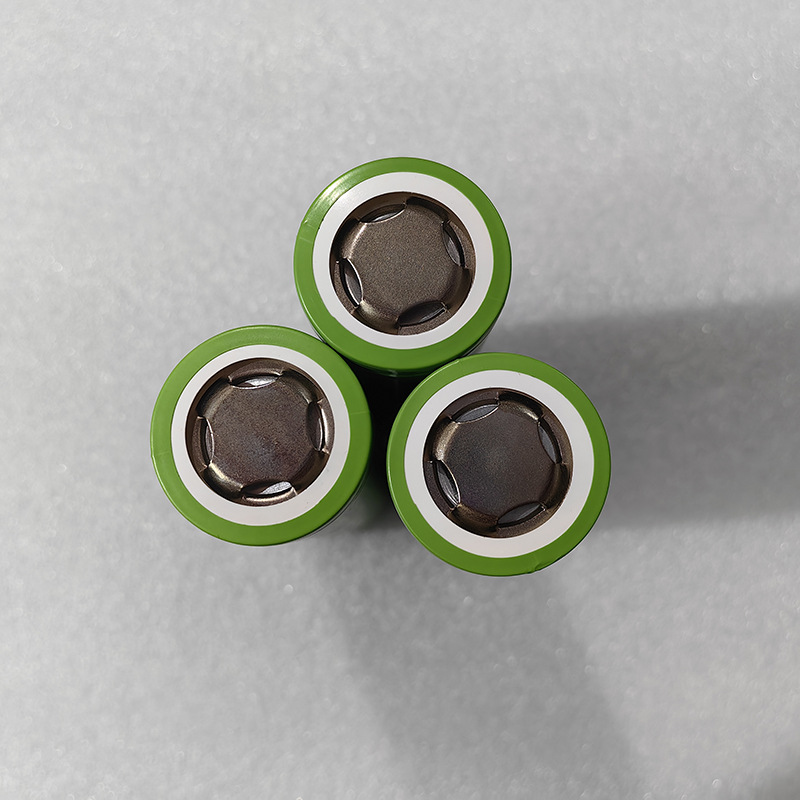
The 60130 designation refers to a cell with a 60mm diameter and 130mm height. This “jumbo” cylindrical format provides a larger active surface area, allowing for higher energy density and better heat dissipation—crucial factors for the high discharge rates required in electric powertrains. When combined with LFP chemistry, these cells offer an exceptional balance of safety (inherently stable chemistry), long cycle life (often exceeding 4000 cycles), and cost-efficiency.
To source these specific components and explore the full range of cylindrical solutions, manufacturers can review the technical specifications available at CNS Battery Cylindrical Cell Product Line.
Problem 1: Supply Chain Traceability & Raw Material Sourcing
The Challenge:
IATF 16949 places stringent requirements on the traceability of raw materials. For electric motorcycle manufacturers, proving the ethical sourcing and consistent quality of LFP cathode materials, electrolytes, and separators is a major bottleneck. Inconsistent material quality from suppliers leads to production variances, failing the “Production Part Approval Process” (PPAP) required by the standard.
The Solution:
The solution lies in partnering with a battery manufacturer that operates under a “Zero Defect” quality management philosophy. This requires full vertical integration, where the cell producer controls the entire supply chain from raw material inspection to final cell assembly.
For instance, a robust audit solution involves verifying that the battery supplier utilizes 100% automated production lines equipped with real-time monitoring systems. This ensures that every 60130 LFP cell can be traced back to its specific batch of raw materials. Manufacturers should demand documentation proving that the supplier conducts rigorous incoming inspection of cathode and anode materials, ensuring they meet the exact specifications required for automotive-grade reliability.
Problem 2: Cell Consistency and Module Assembly
The Challenge:
The physical assembly of hundreds or thousands of 60130 cells into a battery pack requires absolute consistency. Variations in cell dimensions (height, diameter) or electrical parameters (Internal Resistance, Capacity) can lead to mechanical stress, poor contact, or “cell imbalance” within the Battery Management System (BMS). This imbalance is a primary cause of premature battery failure and is a common red flag during factory audits.
The Solution:
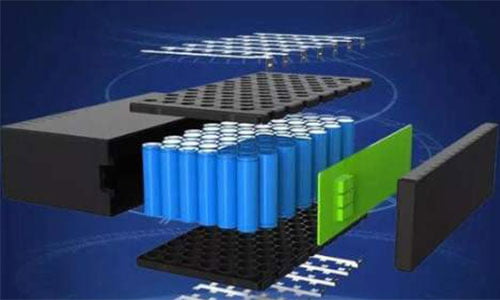
The key to solving this lies in the manufacturing precision of the cylindrical cells. Manufacturers must insist on suppliers who utilize high-precision tooling and automated welding processes.
Specifically, look for suppliers who guarantee strict dimensional tolerances (e.g., diameter tolerance within ±0.1mm) and tight sorting (binning) of cells based on voltage and internal resistance. This “matching” process ensures that only cells with nearly identical characteristics are grouped together in a single module. This level of precision minimizes the risk of thermal runaway and ensures the BMS can manage the pack efficiently, a critical point for passing the “Process Audit” section of IATF 16949.
Problem 3: Thermal Runaway Management
The Challenge:
Electric motorcycles are exposed to extreme environmental conditions. The IATF audit will rigorously examine how your factory manages the risk of thermal runaway, especially when using high-energy-density cylindrical packs. If a single 60130 cell enters thermal runaway, the proximity of tightly packed cylindrical cells can lead to a cascading failure (fire propagation) if not properly mitigated.
The Solution:
The engineering solution involves a combination of cell-level safety features and pack-level structural design.
First, specify 60130 LFP cells with reinforced, thick steel shells. Unlike soft pouch cells, the robust casing of a cylindrical cell acts as a pressure vessel, containing internal faults. Furthermore, LFP chemistry has a much higher thermal runaway threshold compared to Nickel-based chemistries.
Second, during the factory layout phase, ensure that your assembly line incorporates advanced thermal insulation materials between cells. This “cell-to-pack” (CTP) design strategy, combined with a BMS that features rapid discharge capabilities in fault conditions, demonstrates to the auditor that your production process prioritizes functional safety (ISO 26262 alignment).
Problem 4: BMS Integration and Data Management
The Challenge:
The integration of the Battery Management System (BMS) with the cylindrical cell array is complex. Inconsistent communication between the BMS and the cells, or inadequate data logging during the formation and grading process, can result in non-compliance with the “Product Safety” clauses of IATF 16949.
The Solution:
Adopt a “Digital Twin” approach to battery production. This involves implementing a Manufacturing Execution System (MES) that connects directly to the formation and grading equipment.
During the audit, you must demonstrate that every data point—from the initial electrolyte injection to the final aging test—is recorded and linked to the specific Vehicle Identification Number (VIN) or battery pack code. This digital traceability proves that your process is under statistical control. Ensure your BMS algorithm is specifically calibrated for the discharge curve of LFP chemistry, as it differs significantly from NMC batteries, to prevent undercharging or over-discharging errors in the field.
Problem 5: Achieving APQP Compliance with External Suppliers
The Challenge:
The Advanced Product Quality Planning (APQP) process requires seamless collaboration between the motorcycle manufacturer and the battery cell supplier. Often, the disconnect occurs because the cell supplier lacks automotive industry experience, leading to missing documentation (like DFMEA – Design Failure Mode and Effects Analysis) or delayed feedback loops.
The Solution:
Partner exclusively with a Battery Manufacturer in China that has a proven track record in the automotive sector and already possesses IATF 16949 certification for their own facilities.
A qualified supplier acts as an extension of your engineering team. They should provide comprehensive design support, including 3D models for module integration and thermal simulation data for the 60130 cells. By choosing a supplier who is already “audit-ready,” you significantly reduce the burden on your internal APQP team. This allows your factory audit to focus on your specific assembly processes rather than firefighting issues caused by substandard component supply.
To initiate this partnership and ensure your factory audit is successful, contact a specialist who understands the intricacies of cylindrical cell technology and automotive compliance. You can reach out to the experts at CNS Battery Manufacturer Contact Page for a consultation on building a compliant, high-performance electric motorcycle powertrain.