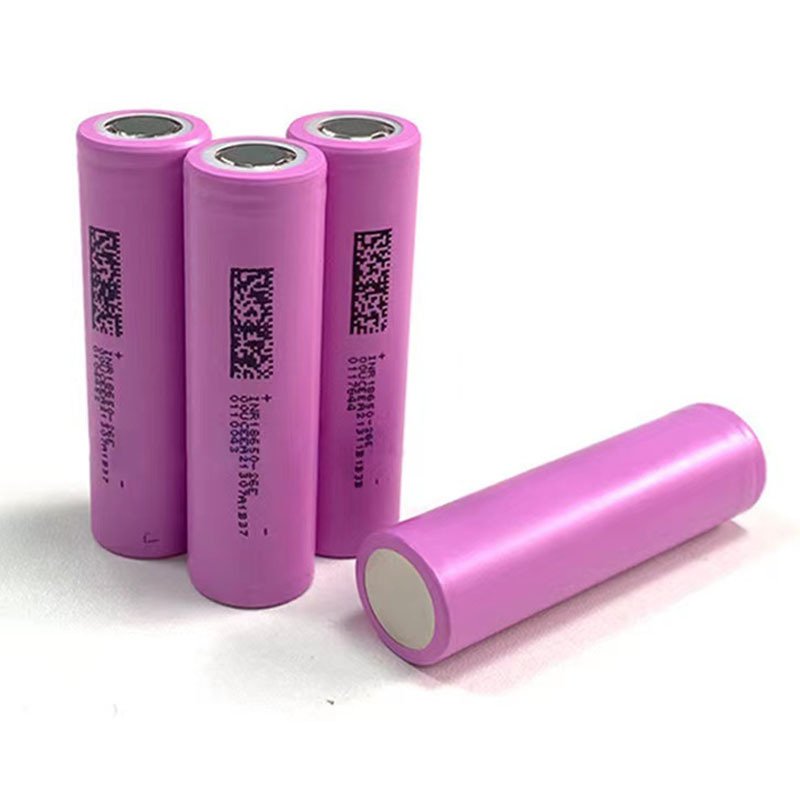
Mastering Drone Power: The Complete IATF 16949 Audit Solution for 32135 Lithium Cells
In the high-stakes world of commercial and industrial drone manufacturing, reliability isn’t just a feature; it is the foundation. As an engineer or technical procurement manager, you understand that the heart of any Unmanned Aerial Vehicle (UAV) is its power source. A battery failure doesn’t just mean a dead device; it means a potential crash, data loss, or safety hazard.
This is why sourcing cylindrical lithium cells isn’t just a purchasing decision; it is a quality assurance challenge. Today, I want to walk you through a solution I have personally vetted: integrating high-quality 32135 cylindrical lithium cells into a production environment governed by a complete IATF 16949 audit solution. This isn’t just about buying cells; it is about securing a supply chain that meets the rigorous standards of the automotive industry, ensuring your drones meet the demands of B2B export markets.
Why the 32135 Cell is the Game-Changer for Drones
When you look at the landscape of cylindrical cells, the 32135 format represents a “Goldilocks Zone” for high-performance drones. It bridges the gap between the ubiquitous 18650 and the massive 32700/21700 cells.
- The Physics of Flight: Drones require an extreme balance of high energy density and high discharge capability. The 32135 format (32mm diameter, 135mm length) offers a significantly larger active surface area compared to an 18650. This translates directly into higher capacity (mAh) and lower internal resistance, which is critical for handling the high C-rates required during takeoff and maneuvering.
- Thermal Management: Unlike pouch cells, cylindrical cells like the 32135 have a fixed, robust metal casing. This geometry allows for superior heat dissipation. In a drone battery pack, where cells are packed tightly, the ability to manage thermal runaway is non-negotiable. The 32135’s structure inherently supports better thermal stability, reducing the risk of hotspots.
The IATF 16949 Imperative: Beyond Standard Certifications
You might be asking, “Why do I need an IATF 16949 solution for a drone battery when I can buy standard cells?” The answer lies in the consistency required for B2B export.
IATF 16949 is the global quality management standard for the automotive industry. It is notoriously strict. When a battery manufacturer operates under IATF 16949, it means every single cell—from the raw material sourcing to the final weld—has been tracked, tested, and validated to automotive-grade tolerances.
- Zero Defect Tolerance: In automotive manufacturing (and by extension, high-end drone manufacturing), the concept of “acceptable defect rate” is virtually zero. A complete IATF 16949 audit solution ensures that the factory you are sourcing from has a documented history of process control. This means no batch variations, no unexpected capacity drops, and no surprises during your own product certification (such as UL or CE marks for export).
- Traceability: If a field issue ever arises, an IATF-compliant supply chain allows you to trace the specific lot, the specific machine, and even the specific shift that produced the cell. This level of accountability is what protects your brand reputation in international markets.
Technical Deep Dive: Specifications of the 32135
To appreciate why this cell is superior, let’s look at the hard data. While specific chemistries vary, a high-quality NMC (Nickel Manganese Cobalt) 32135 cell typically outperforms its smaller cousins significantly.
| Parameter | Typical 18650 Cell | High-End 32135 Cell | Advantage for Drones |
|---|---|---|---|
| Capacity | 2000mAh – 3500mAh | 6000mAh – 8000mAh | Doubles flight time without increasing cell count. |
| Discharge Rate | 10A – 20A (Standard) | 30A – 50A+ (Continuous) | Provides the instant torque needed for heavy-lift drones. |
| Energy Density | 240-260 Wh/kg | 260-280 Wh/kg | Maximizes payload capacity by reducing weight overhead. |
| Cycle Life | 500 – 800 Cycles | 800 – 1000+ Cycles | Reduces total cost of ownership for commercial fleets. |
The Chemistry Factor:
For drones, the choice is usually between INR (Nickel-based) and IFR (LFP – Lithium Iron Phosphate). The 32135 INR format is preferred for commercial drones because it offers the high energy density needed for long-range missions. However, the IATF 16949 audit ensures that even with high-energy chemistry, safety protocols (like overcharge and short-circuit protection) are engineered to the highest standard.
The B2B Export Challenge: Finding the Right Partner
Selling drones globally means navigating complex import regulations, safety standards, and warranty claims. You cannot afford a battery supplier that operates out of a “black box” factory.
When you are sourcing 32135 cells for B2B export, you need a partner who understands the documentation trail required by international logistics and compliance teams. This includes:
- Material Test Reports (MTR): Every shipment must be accompanied by documentation proving the chemical composition and physical integrity of the cells.
- UN38.3 Certification: This is mandatory for air transport. A manufacturer with a complete IATF solution will have this data readily available and audited, preventing your shipment from being held at customs.
- Customization Capability: Not every drone fits a standard battery shape. A factory that has passed a rigorous IATF audit will also have the engineering capability to customize the Battery Management System (BMS) and protective circuit modules (PCB) to fit your specific 32135 pack design.
The Path Forward: From Specification to Production
As a technical expert, I always advise moving from theory to action. If you are currently designing a drone platform or looking to upgrade an existing one, the 32135 cylindrical cell paired with an IATF 16949 compliant supply chain is the optimal path.
Do not settle for generic lithium cells. The engineering overhead of fixing a bad battery supply chain after production has started is exponentially higher than getting it right at the design phase. You need a partner who speaks the language of automotive-grade quality but applies it to the aerospace demands of drone technology.
Expert Note: If your current 18650 solution is limiting your drone’s payload or flight time, the 32135 is not just an upgrade; it is a necessity. The larger form factor allows for thicker electrodes without compromising on discharge performance, something smaller cells struggle with.
Connect with a Certified Manufacturer
Finding a manufacturer that offers both the specific 32135 format and adheres to a complete IATF 16949 quality management system can be challenging, but it is essential for serious B2B export.
If you are looking for a reliable source for high-quality cylindrical lithium cells that meet these stringent industrial standards, I recommend exploring specialized manufacturers who focus on this niche. For those seeking comprehensive solutions in cylindrical battery technology, you can explore the product range available at Cylindrical Battery Cell.
For engineers and procurement managers specifically looking to vet a Battery Manufacturer in China with the necessary certifications and export experience, detailed technical specifications and factory audit information are available to guide your decision-making process.
To discuss your specific drone power requirements and ensure your supply chain is audit-ready, you can contact the technical team directly via the Contact Information page.