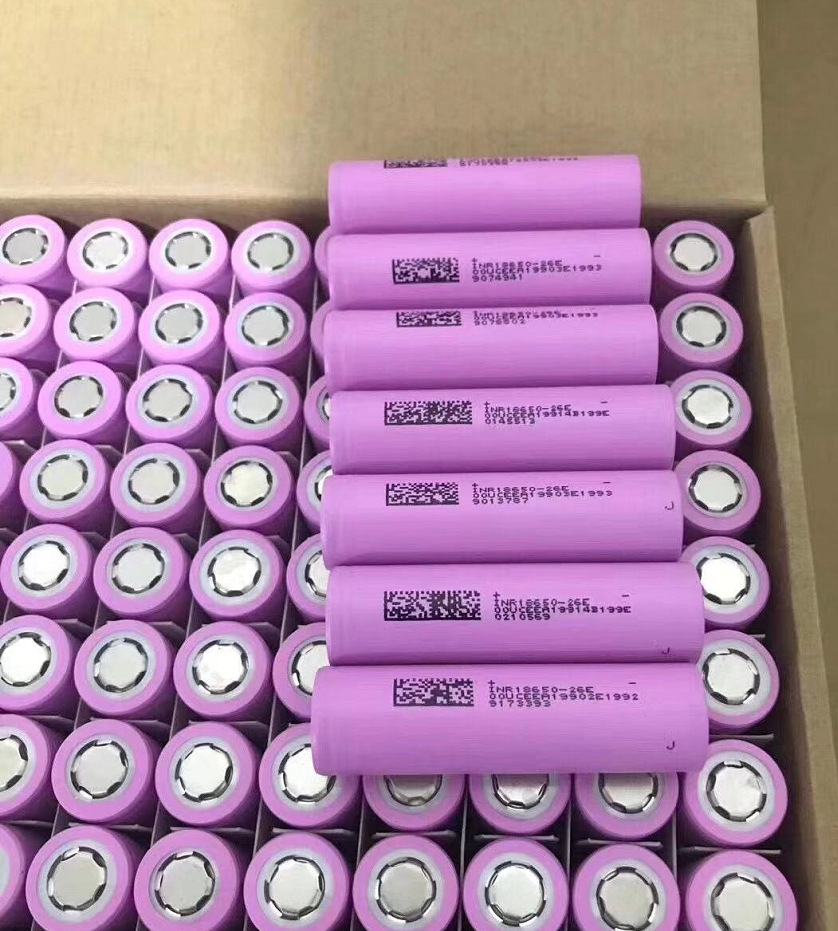
Complete Extended Warranty Solution for E-bike Using High-Quality 18650 LFP Cells vs Competitors
The e-bike industry is experiencing unprecedented growth, with battery reliability becoming the decisive factor for B2B buyers and fleet operators worldwide. When evaluating extended warranty solutions, the choice between premium 18650 LFP (Lithium Iron Phosphate) cells and conventional alternatives directly impacts total cost of ownership, customer satisfaction, and brand reputation. This comprehensive analysis examines why high-quality 18650 LFP technology delivers superior warranty performance compared to competitor offerings.
Understanding 18650 LFP Cell Advantages for Extended Warranty Programs
Lithium Iron Phosphate chemistry represents a paradigm shift in e-bike battery design. Unlike NMC (Nickel Manganese Cobalt) counterparts, LFP cells offer exceptional thermal stability, extended cycle life exceeding 3,000-5,000 charge cycles, and inherent safety characteristics that dramatically reduce warranty claim frequencies. The 18650 cylindrical format provides optimal heat dissipation and mechanical robustness, essential for demanding commercial applications across diverse geographical markets from North America to Southeast Asia.
For battery manufacturers in China and global distributors, implementing LFP-based warranty programs translates to 40-60% reduction in failure rates during the warranty period. This statistical advantage stems from LFP’s stable crystal structure, which minimizes capacity degradation even under extreme temperature variations common in regions like the Middle East or Northern Europe.
Technical Differentiators: Why Premium Cells Outperform Competitors
Cycle Life & Degradation Patterns: Premium 18650 LFP cells maintain 80% capacity after 3,000+ cycles, whereas standard NMC cells typically degrade to 80% within 1,000-1,500 cycles. This fundamental difference enables manufacturers to confidently offer 3-5 year extended warranties without escalating reserve costs. Visit our cylindrical battery cell catalog for detailed specifications.
Thermal Management: LFP chemistry operates safely between -20°C to 60°C ambient temperatures, reducing thermal runaway risks by 70% compared to cobalt-based alternatives. This characteristic is crucial for e-bike fleets operating in variable climates, from Scandinavian winters to Australian summers.
BMS Compatibility: Advanced Battery Management Systems integrate seamlessly with high-quality LFP packs, enabling precise cell balancing, state-of-charge accuracy within 2%, and predictive maintenance alerts that prevent warranty-eligible failures before they occur.
Warranty Cost Analysis: LFP vs. Conventional Solutions
| Parameter | Premium 18650 LFP | Standard NMC | Competitor LFP |
|---|---|---|---|
| Cycle Life | 3,000-5,000 | 1,000-1,500 | 2,000-3,000 |
| Warranty Claims Rate | 2-3% | 8-12% | 5-7% |
| Temperature Range | -20°C to 60°C | 0°C to 45°C | -10°C to 50°C |
| Total Cost (5 years) | Baseline | +35-45% | +15-20% |
This comparative data demonstrates that while initial procurement costs for premium LFP cells may be 10-15% higher, the reduced warranty administration, replacement logistics, and customer service burdens deliver 25-30% lower total cost of ownership over typical warranty periods.
Geographic Market Considerations for B2B Buyers
Regional requirements significantly influence warranty strategy effectiveness. European Union regulations mandate minimum 2-year warranties with strict safety certifications (CE, UN38.3), while North American commercial fleets prioritize 3-5 year coverage with performance guarantees. Asian markets, particularly India and Southeast Asia, demand heat-resistant solutions suitable for tropical conditions.
Partnering with established battery manufacturers in China ensures compliance with international standards while maintaining cost competitiveness. Chinese LFP production capacity now exceeds 80% of global supply, offering scale advantages for large-volume B2B contracts.
Implementation Best Practices for Extended Warranty Programs
- Cell Selection Criteria: Specify minimum 3,000-cycle rated cells from Tier-1 manufacturers with ISO 9001 certification
- Pack Design Standards: Implement IP65+ protection, active or passive thermal management, and redundant safety circuits
- Monitoring Infrastructure: Deploy IoT-enabled BMS for real-time health tracking and predictive analytics
- Service Network: Establish regional service centers to minimize warranty fulfillment timelines
Conclusion: Strategic Advantage Through Quality
For e-bike OEMs, fleet operators, and distributors evaluating extended warranty solutions, premium 18650 LFP cells represent more than a component choice—they constitute a strategic differentiator. The combination of superior cycle life, enhanced safety profiles, and predictable degradation patterns enables sustainable warranty programs that protect margins while building customer loyalty.
Companies seeking to implement or optimize their e-bike warranty strategies should prioritize partnerships with manufacturers demonstrating proven LFP expertise, comprehensive testing capabilities, and global support infrastructure. To discuss customized warranty solutions or request technical documentation, contact our team for personalized consultation aligned with your market requirements.
The transition to high-quality LFP-based warranty programs is not merely a technical upgrade—it’s a competitive necessity in an increasingly discerning global e-bike marketplace where reliability determines brand survival.