

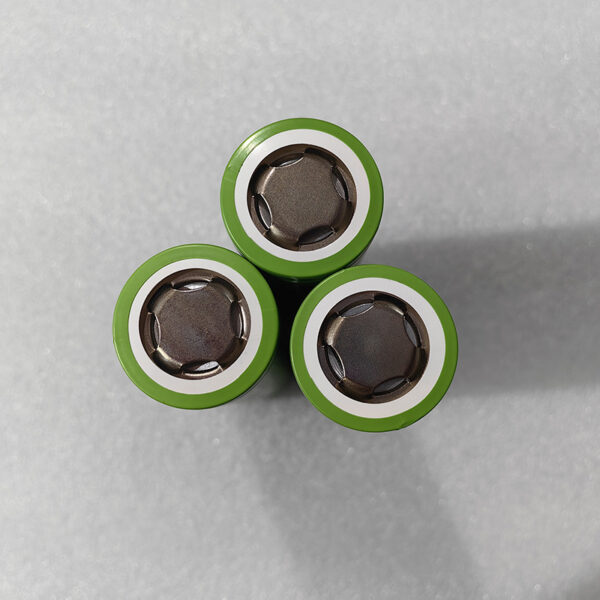
Complete Custom Voltage Platform Solution for Electric Vehicle Using High-Quality 18650 NCM Cells: Top 5 Problems & Solutions
The rapid evolution of electric vehicle (EV) technology has intensified demand for reliable, customizable battery platforms. Among various cell formats, 18650 NCM (Nickel-Cobalt-Manganese) cylindrical cells have emerged as a preferred choice for engineers designing custom voltage platforms. However, implementing these solutions presents distinct technical challenges. This article examines the top 5 problems encountered when deploying 18650 NCM cells in EV applications and provides actionable solutions for technical decision-makers.
Understanding 18650 NCM Cell Fundamentals
Before addressing specific challenges, it’s essential to understand the underlying chemistry. NCM cells utilize a cathode composed of nickel, cobalt, and manganese oxides, offering an optimal balance between energy density, thermal stability, and cycle life. The 18650 format (18mm diameter, 65mm length) provides standardized dimensions while enabling flexible pack configurations through series-parallel arrangements to achieve target voltage platforms.
Problem 1: Voltage Platform Inconsistency Across Cell Batches
Challenge: Variations in nominal voltage and discharge curves between production batches can compromise pack performance and BMS calibration.
Solution: Implement rigorous cell matching protocols with voltage tolerance below 10mV per cell. Partner with manufacturers who provide detailed batch certification and consistent quality control. Advanced sorting algorithms should categorize cells by capacity, internal resistance, and voltage characteristics before pack assembly. For comprehensive manufacturer verification, explore resources at https://cnsbattery.com/battery-manufacturers-in-china/
Problem 2: Thermal Management in High-Current Applications
Challenge: NCM chemistry generates significant heat during high-rate discharge, potentially exceeding safe operating temperatures (typically 45-60°C).
Solution: Design integrated thermal management systems combining passive cooling (aluminum heat sinks, thermal pads) with active solutions (liquid cooling loops). Maintain cell-to-cell temperature differential below 3°C to prevent accelerated degradation. Consider the cylindrical form factor’s natural air-gap advantages while ensuring adequate thermal interface materials between cells and cooling structures.
Problem 3: BMS Compatibility and Cell Balancing
Challenge: Inadequate battery management systems fail to maintain cell equilibrium, leading to premature capacity loss and safety risks.
Solution: Deploy active balancing BMS architectures capable of handling the specific voltage range of your NCM configuration (typically 3.6V nominal, 4.2V maximum per cell). Implement continuous monitoring of individual cell voltages, temperatures, and current flow. The BMS should support configurable protection thresholds aligned with your custom voltage platform requirements. Quality cylindrical battery cells form the foundation of reliable BMS operation—review available options at https://cnsbattery.com/products-3/cylindrical-battery-cell/
Problem 4: Cycle Life Degradation Under Real-World Conditions
Challenge: Laboratory-rated cycle life (often 1000+ cycles) rarely translates to field performance due to variable load profiles, temperature fluctuations, and charging patterns.
Solution: Apply derating factors of 20-30% when projecting real-world cycle life. Implement smart charging algorithms that avoid prolonged exposure to 100% state-of-charge. Maintain operating temperature between 15-35°C for optimal longevity. Consider partial state-of-charge operation (20-80% SOC) for applications where maximum range isn’t critical, significantly extending overall pack lifespan.
Problem 5: Supply Chain Consistency and Certification Compliance
Challenge: Securing consistent cell supply while meeting international safety certifications (UN38.3, IEC62133, UL1642) proves difficult for custom platform developers.
Solution: Establish long-term partnerships with certified manufacturers who maintain transparent supply chains and documentation. Verify all cells carry necessary transportation and safety certifications before integration. Request comprehensive test reports including abuse testing, cycle life data, and thermal runaway characterization. For direct manufacturer engagement and certification verification, visit https://cnsbattery.com/contact-2/
Technical Implementation Recommendations
When designing custom voltage platforms with 18650 NCM cells, consider these critical parameters:
- Series Configuration: Calculate total pack voltage based on motor/controller requirements (e.g., 48V, 72V, 96V systems)
- Parallel Groups: Determine capacity requirements while maintaining current distribution balance
- Safety Margins: Include 15-20% capacity buffer for degradation over operational lifetime
- Monitoring Points: Ensure BMS can access individual cell group data for diagnostic purposes
Conclusion
Successfully implementing custom voltage platform solutions with 18650 NCM cells requires systematic attention to cell quality, thermal management, BMS integration, lifecycle planning, and supply chain reliability. By addressing these five core challenges with the solutions outlined above, engineering teams can develop robust EV battery systems that meet performance expectations while maintaining safety and longevity standards.
The key to success lies in partnering with experienced manufacturers who understand the nuances of cylindrical cell integration and can provide technical support throughout your development cycle. Quality cells, proper system design, and comprehensive testing form the foundation of any successful electric vehicle battery platform.
For technical consultations and customized battery solutions, professional manufacturers stand ready to support your specific application requirements with proven 18650 NCM cell technology and comprehensive engineering assistance.


