Complete BMS Compatibility Solved Solution for E-bike Using High-Quality 18650 LFP Cells Ultimate Guide
The global e-bike market is experiencing unprecedented growth, with manufacturers and distributors seeking reliable power solutions that balance performance, safety, and cost-effectiveness. For B2B buyers in North America, Europe, and Asia, achieving complete BMS (Battery Management System) compatibility with high-quality 18650 LFP (Lithium Iron Phosphate) cells represents a critical technical challenge. This comprehensive guide addresses the essential considerations for implementing solved BMS compatibility solutions in e-bike applications.
Understanding BMS Compatibility Fundamentals
BMS compatibility extends beyond simple voltage matching. A properly integrated system requires precise communication protocols, accurate cell balancing algorithms, and robust thermal management capabilities. For 18650 LFP configurations, the nominal voltage of 3.2V per cell necessitates specific BMS architecture to optimize performance across varying temperature ranges and discharge rates.
Leading battery manufacturers in China have developed standardized communication interfaces including CAN bus, RS485, and Bluetooth protocols that enable seamless integration with e-bike motor controllers. These protocols facilitate real-time monitoring of cell voltage, temperature, state of charge (SOC), and state of health (SOH), ensuring optimal battery performance throughout its lifecycle.
Core Technical Requirements for E-bike Applications
1. Cell Selection and Quality Assurance
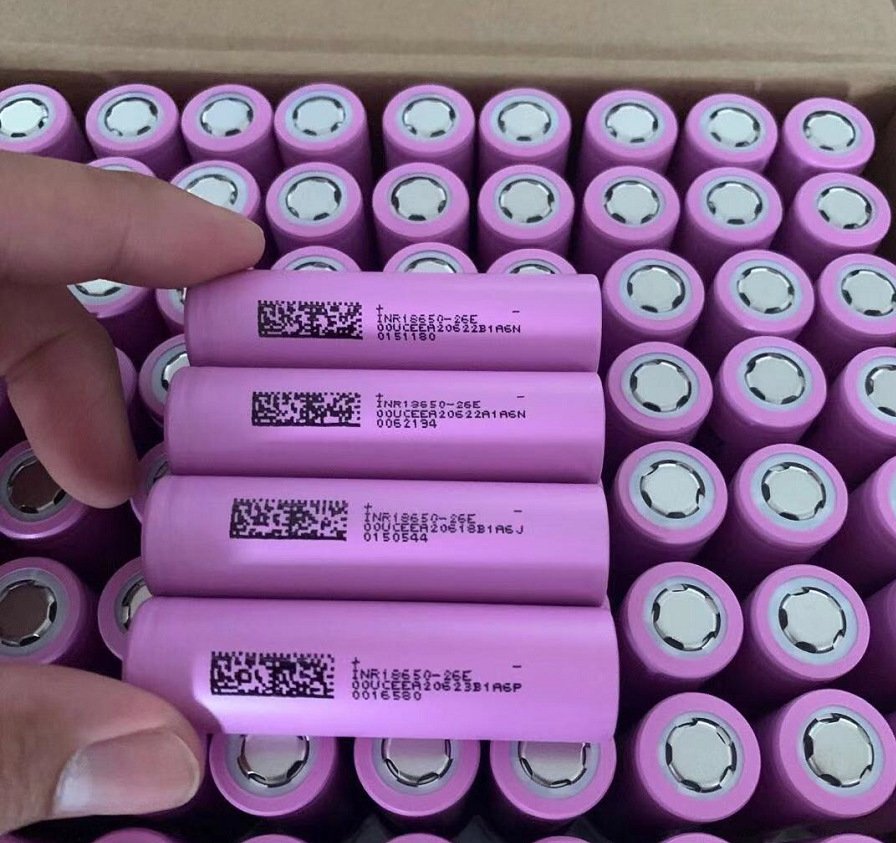
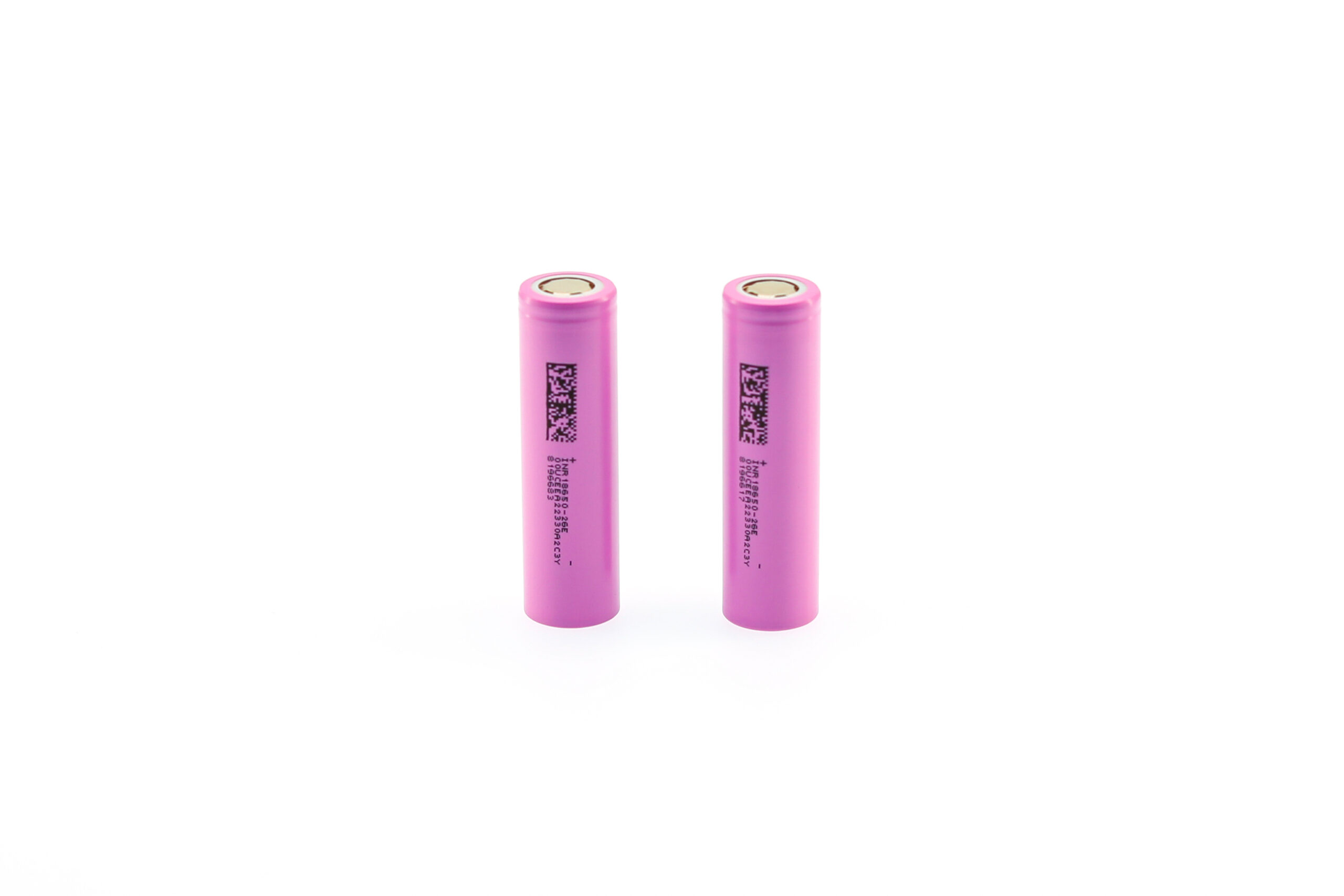
High-quality 18650 LFP cells form the foundation of any reliable e-bike battery pack. Premium cells feature consistent capacity ratings, low internal resistance, and extended cycle life exceeding 2000 charge-discharge cycles. When sourcing from established battery manufacturers in China, buyers should verify certifications including UN38.3, CE, UL, and compliance with emerging EU Battery Regulation requirements taking effect in 2026.
For detailed specifications on cylindrical battery cells suitable for e-bike applications, visit https://cnsbattery.com/products-3/cylindrical-battery-cell/ to explore certified product options meeting international standards.
2. BMS Architecture and Protection Features
A comprehensive BMS solution must incorporate multi-level protection mechanisms including over-charge protection, over-discharge protection, short-circuit protection, and thermal shutdown capabilities. Advanced systems feature active cell balancing that maintains voltage uniformity across all series-connected cells, preventing premature degradation and maximizing pack longevity.
Smart BMS implementations support remote monitoring capabilities, enabling fleet operators and distributors to track battery performance metrics in real-time. This functionality proves particularly valuable for commercial e-bike deployments in urban mobility programs across European and North American markets.
3. Thermal Management Considerations
LFP chemistry offers superior thermal stability compared to NMC alternatives, yet proper thermal management remains essential for maintaining optimal performance. BMS systems should integrate temperature sensors at strategic locations within the battery pack, triggering protective measures when operating temperatures exceed safe thresholds.
For e-bike applications operating in diverse climate conditions from Southeast Asia to Northern Europe, thermal management protocols must accommodate ambient temperature variations ranging from -20°C to 60°C without compromising safety or performance.
Implementation Best Practices for B2B Buyers
Supply Chain Verification
When partnering with battery manufacturers, due diligence should encompass factory audits, quality management system certifications (ISO 9001, ISO 14001), and production capacity verification. Established manufacturers maintain transparent supply chains with traceable cell sourcing and comprehensive documentation supporting regulatory compliance.
To connect with verified battery manufacturers in China offering BMS-compatible solutions, explore https://cnsbattery.com/battery-manufacturers-in-china/ for vetted supplier partnerships.
Integration Testing Protocols
Before mass deployment, comprehensive integration testing validates BMS compatibility with specific e-bike motor controllers and charging systems. Testing protocols should evaluate performance under various load conditions, temperature extremes, and vibration scenarios simulating real-world operating environments.
After-Sales Support and Warranty
Reliable manufacturers provide comprehensive after-sales support including technical documentation, troubleshooting guides, and warranty coverage typically ranging from 2-5 years for BMS components. Clear communication channels ensure rapid response to technical inquiries and replacement part availability.
For partnership inquiries and technical support, contact https://cnsbattery.com/contact-2/ to establish direct communication with engineering teams.
Regional Compliance and Market Access
Different markets impose varying regulatory requirements affecting BMS design and documentation. The European Union’s Battery Regulation mandates battery passports containing chemical composition, manufacturing information, and carbon footprint data for batteries exceeding 2kWh capacity. North American markets require UL certification for battery systems, while Asian markets may have specific local certification requirements.
Working with manufacturers experienced in global compliance streamlines market entry and reduces regulatory risks. Established suppliers maintain updated documentation supporting certification processes across multiple jurisdictions.
Conclusion
Achieving complete BMS compatibility for e-bike applications using high-quality 18650 LFP cells requires careful attention to cell selection, BMS architecture, thermal management, and regulatory compliance. B2B buyers partnering with experienced manufacturers gain access to proven solutions reducing development timelines and minimizing technical risks.
The evolving e-bike market demands power solutions balancing performance, safety, and cost-effectiveness. By implementing the technical considerations outlined in this guide, distributors, integrators, and OEMs can confidently deploy reliable battery systems meeting customer expectations across global markets.
For comprehensive product information and manufacturer partnerships supporting your e-bike battery requirements, the resources provided throughout this guide offer direct pathways to verified suppliers and technical support teams ready to address your specific application needs.