
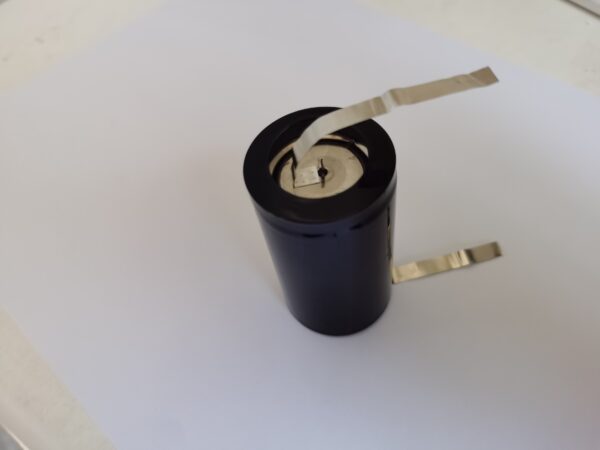
CE Certified Lithium Battery for EU Telematics Fleet Management Market
The European Union’s telematics and fleet management sector is undergoing a transformative regulatory shift in 2026. For B2B battery manufacturers and fleet technology integrators, understanding CE certification requirements for lithium metal primary batteries is no longer optional—it is a critical market access prerequisite. This article delivers essential compliance insights for professionals targeting the EU telematics landscape.
Why CE Certification Matters in 2026
The EU Battery Regulation (EU) 2023/1542, effective since August 2023, has entered its substantive enforcement phase in 2026. This regulation replaces the previous 2006/66/EC Directive and establishes the world’s most stringent battery compliance framework. All lithium batteries entering the EU market—including primary lithium metal batteries used in telematics devices—must obtain CE-Battery certification to ensure legal circulation across all 27 EU member states and the European Economic Area (EEA).
For fleet management solutions relying on GPS trackers, asset monitoring devices, and vehicle telematics units, non-compliance means immediate market exclusion. Major e-commerce platforms including Amazon, Temu, and AliExpress have mandated CE-Battery documentation since December 2025, with non-compliant products facing delisting.
Technical Requirements for Lithium Metal Primary Batteries
Lithium metal primary batteries, particularly Li-SOCl₂ (lithium thionyl chloride) chemistry, remain the power source of choice for EU telematics applications due to their exceptional energy density, wide operating temperature range (-55°C to +85°C), and ultra-low self-discharge rates enabling 10+ year service life.
Common form factors include ER14250 (1/2AA), ER14335, ER14505 (AA), and ER26500 (C-size), typically delivering 3.6V nominal voltage with capacities ranging from 1,200mAh to 19,000mAh depending on cell configuration. These specifications directly impact telematics device performance in fleet tracking, cold chain monitoring, and heavy-duty vehicle applications.
CE certification requires comprehensive testing across multiple dimensions:
- Safety Compliance: UN 38.3 transportation testing, IEC 60086-4 safety standards
- Chemical Restrictions: Mercury ≤0.0005%, Cadmium ≤0.002% (portable batteries), Lead restrictions per EU 2023/1542
- Performance Validation: Capacity verification, discharge characteristics, shelf-life testing
- Documentation: Technical Construction File (TCF), EU Declaration of Conformity (DoC)
Battery Passport and Carbon Footprint Obligations
While Battery Passport requirements currently target batteries above 2kWh (industrial, LMT, and EV categories), telematics battery suppliers must prepare for expanded traceability mandates. The 2026 rollout phase requires unique digital identifiers (typically QR codes) containing chemical composition, supply chain data, and recycling information.
Carbon footprint reporting becomes mandatory for industrial batteries by August 2026, with carbon labeling requirements following shortly thereafter. Fleet management battery suppliers should establish carbon accounting protocols now to avoid future compliance gaps.
Selecting Certified Testing Partners
CE certification must be conducted through EU Notified Bodies—authorized organizations such as TÜV Rheinland, SGS, or Intertek. Reports from non-notified laboratories face automatic rejection during market surveillance audits. The certification process typically requires 4-8 weeks, including sample testing, documentation review, and certificate issuance.
Professional battery manufacturers should maintain ongoing compliance through:
- Regular production line audits
- Batch-level quality verification
- Updated technical documentation reflecting regulation amendments
- Supply chain transparency for raw material sourcing
Market Opportunity for Compliant Suppliers
The EU fleet management market continues expanding, driven by digital logistics transformation, emissions monitoring mandates, and cross-border trade efficiency requirements. CE-certified lithium primary batteries position suppliers as trusted partners for telematics OEMs, fleet operators, and IoT solution providers.
For B2B buyers evaluating battery partners, verification should include:
- Valid CE-Battery certification with Notified Body identification number
- Complete technical documentation available on request
- Consistent quality control records across production batches
- Clear traceability systems for regulatory audits
Conclusion
CE certification for lithium metal primary batteries represents both a compliance obligation and competitive differentiator in the EU telematics fleet management market. With 2026 marking the enforcement milestone for EU Battery Regulation requirements, battery manufacturers and fleet technology integrators must prioritize certification readiness.
Professional suppliers offering fully compliant lithium primary battery solutions can access: https://cnsbattery.com/primary-battery/
For technical consultation and certification documentation requests, contact our compliance team directly: https://cnsbattery.com/primary-battery-contact-us/
The window for market entry without proper CE-Battery certification has closed. Strategic preparation today ensures uninterrupted market access and long-term partnership opportunities across Europe’s evolving fleet management ecosystem.
