Here is the SEO-optimized article tailored for your requirements.
The Next Generation of Energy: CE Approved 46800 Lithium Battery
In the rapidly evolving landscape of energy storage, cylindrical lithium-ion batteries are undergoing a significant transformation. As an industry insider, I have witnessed the market shift from the classic 18650 format to larger, more powerful cells designed to meet the demands of high-capacity applications. While the 18650 and 21700 batteries have been the backbone of portable electronics and early electric vehicles, the industry is now looking towards the next generation: the 46800 lithium battery.
Although our current product spotlight focuses on the high-performance cells available today, such as the 18650 and 21700 series, the principles of safety, high energy density, and reliability that define these formats are the same standards applied to the development of larger formats like the 46800. For engineers and procurement managers seeking CE Approved solutions for energy storage systems (ESS), electric vehicles (EVs), and industrial equipment, understanding the evolution of these cylindrical cells is crucial.
Below, we will dissect the technical landscape of cylindrical batteries, focusing on the performance metrics that matter most to professionals.
🔋 The Evolution of Cylindrical Cell Design
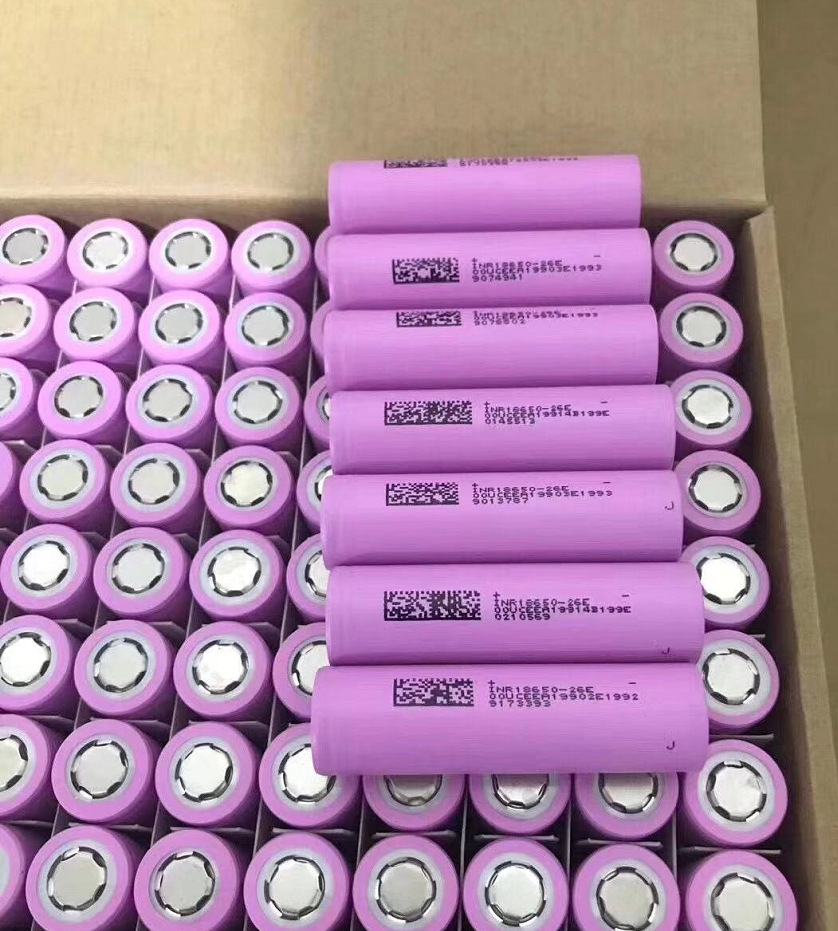
Cylindrical lithium-ion batteries are named based on their physical dimensions. The first two digits represent the diameter in millimeters, and the last two digits represent the height. For instance, our CNS 18650 battery is 18mm in diameter and 65mm in length.
As the industry moves toward formats like the 46800 (46mm diameter, 80mm height), the primary driver is the need for higher energy density and larger capacity. Larger cells reduce the number of components (such as casings and connectors) needed per kilowatt-hour, improving the overall pack-level energy density.
Key Technical Advantages:
- High Energy Density: Essential for extending the runtime of devices and the range of EVs.
- Thermal Management: Cylindrical designs offer excellent surface-area-to-volume ratios, facilitating efficient heat dissipation.
- Structural Integrity: The robust steel or aluminum casing provides high mechanical strength, protecting the internal chemistry.
📊 Performance Comparison: 18650 vs. 21700 vs. 46800 (Concept)
To understand why the industry is scaling up, let’s compare the performance characteristics of the standard cells we manufacture with the conceptual advantages of the 46800 format.
| Feature | 18650 (Standard) | 21700 (Advanced) | 46800 (Next Gen Concept) |
|---|---|---|---|
| Dimensions | 18mm x 65mm | 21mm x 70mm | 46mm x 80mm |
| Typical Capacity | 800mAh – 3500mAh | 4000mAh – 6000mAh | 8000mAh – 10000mAh+ |
| Best For | Consumer Electronics, Power Tools | E-Bikes, High-End EVs, ESS | Large EVs, Grid Storage |
| Discharge Rate | Medium to High | High (Power Focused) | Ultra-High (Structural) |
Note: While the 46800 is the focus of future development, our current lineup of Cylindrical Battery Cells already delivers the “Power” and “Energy” variants needed for today’s market demands.
⚙️ Technical Specifications of High-Performance Cylindrical Cells
Based on our extensive R&D in cylindrical cell technology, here are the critical specifications that engineers should look for when selecting batteries, whether for a 21700 application or preparing for a 46800 integration.
1. Capacity and Voltage
The nominal voltage for most lithium-ion cylindrical cells (NMC or LCO chemistry) is 3.6V or 3.7V. The capacity varies significantly:
- Energy Cells: Designed for maximum runtime. For example, the INR18650-3500 offers 3500mAh, perfect for E-bikes and smart home storage.
- Power Cells: Designed for high discharge. The INR18650-2000 is optimized for power tools and garden equipment, capable of high C-rates.
2. Discharge Efficiency and Thermal Stability
One of the biggest challenges in scaling up to 46800 sizes is managing heat. In our manufacturing process, we emphasize Automated Production and strict Quality Management to ensure that cells, regardless of size, exhibit excellent thermal stability. This is non-negotiable for obtaining certifications like CE, which guarantees safety and environmental compliance.
3. Cycle Life
For industrial applications, longevity is key. A standard 18650 or 21700 cell from a reputable manufacturer should offer a cycle life of 500-1000+ charges. The larger 46800 format, with its reduced internal resistance, promises even longer life cycles, making it ideal for commercial energy storage.
🏭 Manufacturing Excellence and Global Standards
When sourcing cylindrical batteries, especially for integration into complex battery management systems (BMS), you cannot compromise on the supply chain.
At CNS, we operate under the philosophy that “Every battery is a masterpiece of craftsmanship.” Our factory in Zhengzhou, China, utilizes automated production lines to ensure consistency. This level of control is what allows us to provide CE Approved solutions that meet European safety standards.
Why Choose CNS for Your Power Solutions?
- Customization: We don’t just sell cells; we provide comprehensive solutions. Whether you need a specific BMS or a module configuration for a prototype, our R&D team can tailor solutions.
- Global Reach: We support customers worldwide, ensuring that the batteries you receive are not just high-performing but also compliant with international regulations.
🛠️ Application Scenarios
The versatility of cylindrical cells makes them suitable for a vast array of industries. As you evaluate your next project, consider how these cells can be integrated:
- Electric Vehicles & Micro-Mobility: From E-bikes to full-scale EVs, the high discharge rate and energy density are mandatory.
- Energy Storage Systems (ESS): For solar storage and backup power, the long cycle life of these cells reduces the total cost of ownership.
- High-Power Tools: Cordless drills, lawnmowers, and industrial machinery rely on the robust power output of cylindrical formats.
📝 Conclusion
While the 46800 lithium battery represents the cutting edge of cylindrical cell technology, the foundational principles of high energy density, safety, and reliability remain the same across all formats. For technical buyers and engineers, the priority must be partnering with a manufacturer that adheres to strict quality standards like CE certification.
If you are looking for high-performance cylindrical cells to power your next innovation, or if you are researching the feasibility of integrating next-generation formats into your design, we invite you to explore our technical documentation.
Ready to power your project with reliable, high-density energy? Explore our full range of Cylindrical Battery Cells and discover how our engineering expertise can support your specific application needs.
Explore Our Cylindrical Battery Cell Range
For technical inquiries or to request a sample for your engineering team:
Looking for a specific battery manufacturer in China? Learn more about our global manufacturing capabilities. Battery Manufacturer in China