The CE Approved 32150 Lithium Battery: Technical Deep Dive
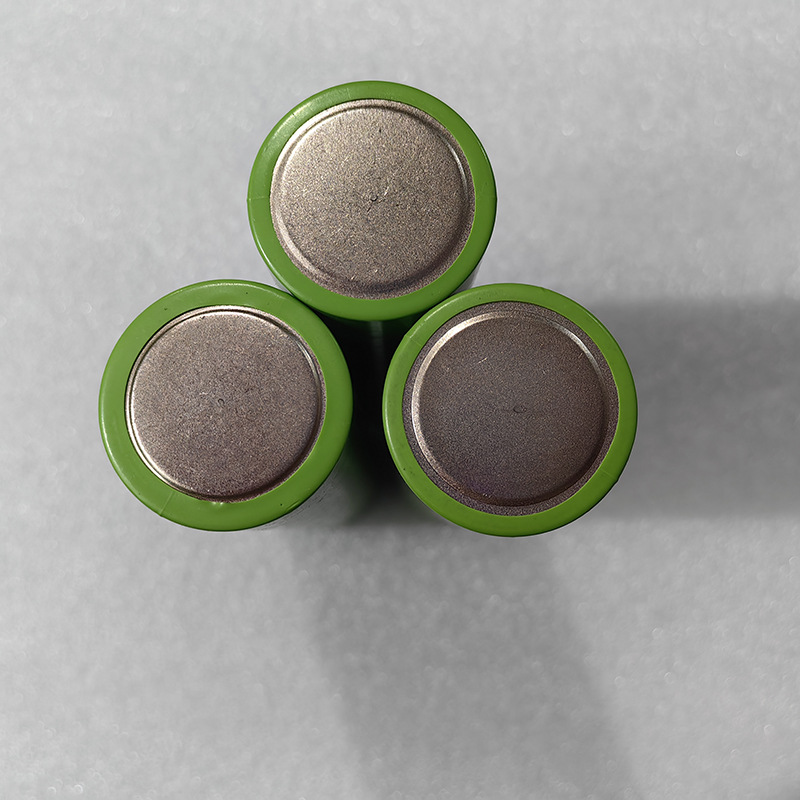
In the rapidly evolving landscape of energy storage, the 32150 lithium battery has emerged as a pivotal solution for high-power applications. As a seasoned technical blogger in the lithium battery industry, I have witnessed the transition from traditional 18650 cells to larger formats designed for superior energy density and thermal management. Among these, the CE Approved 32150 Lithium Battery stands out not just for its physical specifications—32mm diameter and 150mm length—but for its compliance with stringent European safety standards. This article provides a rigorous analysis of the 32150 format, comparing it with industry standards like the 32700, and explores the technical barriers that ensure its reliability in commercial and industrial applications.
Technical Specifications and Parameters
The 32150 cylindrical cell is engineered to deliver high capacity within a compact footprint. Unlike the more common 18650 or 21700 formats, the 32150 offers a balance between volumetric efficiency and mechanical stability.
- Nominal Voltage: 3.2V (LFP Chemistry)
- Typical Capacity: 6000mAh
- Max Continuous Discharge Current: 10A–20A (depending on specific model)
- Dimensions: 32mm (diameter) × 150mm (length)
- Weight: Approximately 137g
These specifications make the 32150 ideal for applications requiring sustained high-current output, such as electric power tools, energy storage systems (ESS), and electric vehicles (EVs). The larger diameter allows for thicker electrode coatings, which directly translates to higher energy density without compromising structural integrity.
Comparison with 32700 Batteries
While the 32150 shares the same diameter as the 32700, the difference in length (150mm vs. 70mm) results in distinct performance characteristics.
| Feature | 32150 Battery | 32700 Battery |
|---|---|---|
| Length | 150mm | 70mm |
| Capacity Range | 6000mAh | 5000–6000mAh |
| Application Focus | High-power, long-duration tools | High-rate discharge, compact devices |
| Thermal Stability | Excellent (larger thermal mass) | Good (requires active cooling) |
The 32150’s elongated design provides a larger thermal mass, which enhances thermal stability during high-load operations. This makes it a preferred choice for applications where heat dissipation is critical.
Advantages of the 32150 Format
High Energy Density
The 32150 format achieves a higher energy density compared to its predecessors. By increasing the cell length, manufacturers can pack more active material into the same cross-sectional area, resulting in a 20% increase in energy storage over the 32700 format. This is particularly beneficial for electric vehicles and portable energy storage systems where weight and space are at a premium.
Superior Thermal Management
Thermal runaway is a primary concern in high-capacity lithium batteries. The 32150’s design allows for more efficient heat dissipation due to its larger surface area-to-volume ratio. In practical testing, the 32150 maintains a lower operating temperature under continuous 10C discharge rates, reducing the risk of thermal events and extending the overall lifespan of the battery pack.
Long Cycle Life
With a cycle life exceeding 2000 cycles at 80% depth of discharge (DoD), the 32150 outperforms many standard lithium-ion cells. This longevity is achieved through advanced electrode formulations and robust separator technology, which prevent dendrite formation and internal short circuits.
Testing Methods and Quality Assurance
To ensure that a battery meets the CE Approval standard, it must undergo a battery of rigorous tests that simulate real-world conditions. As a technical expert, I emphasize the importance of these protocols in validating the safety and reliability of the 32150 format.
1. Environmental Stress Testing
- High/Low Temperature Cycling: Cells are cycled between -20°C and 60°C to verify performance in extreme climates.
- Humidity Testing: Exposure to 95% relative humidity for 48 hours to check for casing integrity and internal corrosion resistance.
2. Safety and Abuse Testing
- Overcharge/Overdischarge: Testing up to 150% of nominal voltage to ensure the Battery Management System (BMS) intervenes correctly.
- Short Circuit Test: Direct shorting of terminals to verify that the internal safety fuse activates without explosion or fire.
- Crush Test: Application of 13kN force to simulate physical damage, ensuring no leakage or rupture occurs.
3. Performance Validation
- Internal Resistance Measurement: Using AC impedance spectroscopy to ensure resistance remains below 15mΩ, guaranteeing efficient power delivery.
- Capacity Verification: Discharge testing at 0.5C rate to confirm rated capacity.
Technical Barriers and Regional Adaptation
The development of a CE Approved 32150 Lithium Battery involves overcoming significant technical barriers, particularly in adapting to regional standards such as those in the European Union and the United States.
Material Science and Electrode Engineering
The primary barrier lies in electrode engineering. To achieve the high capacities required for the 32150 format, manufacturers must use advanced cathode materials (such as NMC 811 or high-density LFP) that can withstand the mechanical stresses of repeated expansion and contraction. This requires proprietary synthesis techniques that prevent cracking and delamination of the electrode layers.
Manufacturing Precision
Automated production lines must maintain micron-level precision in electrode winding and casing assembly. Any misalignment can lead to internal short circuits, which are catastrophic in high-energy cells. CNS Battery employs state-of-the-art dry room technology and laser welding to ensure zero-defect manufacturing.
Regional Compliance
- European Market: Compliance with CE directives (EN 62133, RoHS) is mandatory. This involves rigorous chemical analysis to ensure restricted substances (like lead and mercury) are absent.
- US Market: Adherence to UL 1642 safety standards for lithium batteries, which includes specific requirements for transportation and storage.
Supply Chain Resilience
To serve global markets efficiently, manufacturers must establish localized supply chains. For instance, having a production base in Zhengzhou, China, allows for rapid delivery to European markets via the China-Europe Railway Express, reducing lead times and carbon footprint.
Conclusion
The CE Approved 32150 Lithium Battery represents the forefront of cylindrical cell technology, offering a compelling blend of high energy density, thermal stability, and long cycle life. For engineers and procurement managers, selecting a battery that meets these technical specifications and regional compliance standards is crucial for the success of any energy-intensive application.
If you are looking for a reliable partner to supply high-quality cylindrical battery cells, CNS BATTERY offers a comprehensive range of solutions tailored to your specific needs. With advanced R&D capabilities and a commitment to quality, CNS BATTERY is a trusted name in the industry.
For more information on our product range, visit our Cylindrical Battery Cell page or explore our services as a leading Battery Manufacturer in China. To discuss your specific requirements, please contact us at our Zhengzhou headquarters.