

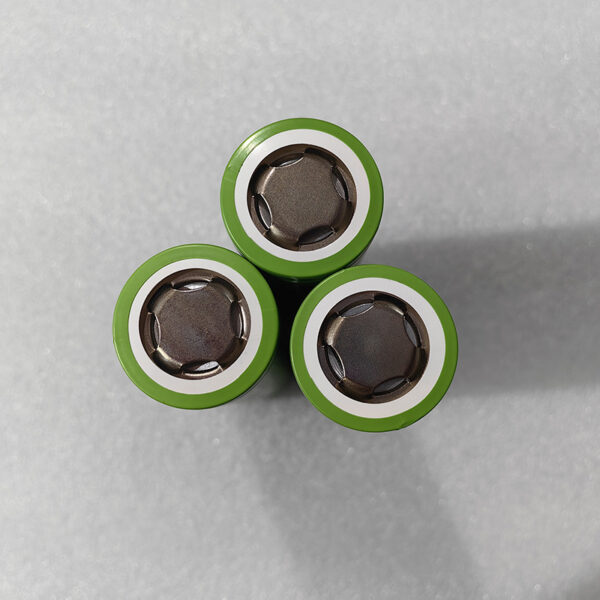
Decoding the 38120: Bulk Wholesale Lithium-Ion Cells for High-Density Solar Storage
When sourcing energy storage solutions for the European or North American market, the “38120” specification often appears in engineering briefs. However, this nomenclature can be misleading. In the global lithium-ion industry, particularly among top-tier manufacturers like CNS Battery, this designation typically refers to the 32700 Cylindrical Cell format (32mm diameter x 70mm height), often customized with specific flat or button-top configurations to fit high-voltage solar storage racks or specialized battery management systems (BMS).
If you are a technical buyer or engineer evaluating bulk wholesale lithium-ion cells for solar storage applications, understanding the core performance metrics and the “Top 5 Problems” associated with high-cycle-count deployments is critical. This article dissects the technical specifications, solves common field failures, and explains why geographical compliance (such as EU Battery Passport requirements) is as important as the cell chemistry itself.
1. Technical Deconstruction: From 32700 to “38120” Customization
Before diving into bulk pricing and storage solutions, we must clarify the engineering standard. The “38” in your query likely refers to the overall assembled height or a specific terminal modification, while the “120” may indicate a specific energy density variant or a miscommunication of the standard code.
The foundation is the 32700 Lithium Iron Phosphate (LiFePO4) cell. Here is the baseline technical specification you should verify with any bulk wholesale supplier:
| Parameter | Standard Specification (IFR32700) | Application Relevance |
|---|---|---|
| Dimensions | 32.0mm (D) x 70.0mm (H) | High volumetric energy density; ideal for compact rack systems. |
| Nominal Voltage | 3.2V | Stable voltage curve essential for off-grid solar inverters. |
| Capacity Range | 6.0Ah – 7.0Ah | Supports 10-15kWh+ per module in bulk storage arrays. |
| Cycle Life | >3000 Cycles (at 1C, 80% DOD) | Critical for daily solar charge/discharge cycles over 10+ years. |
| Max Discharge | 3C Continuous | Handles peak loads from household appliances or grid-tie exports. |
The “Bulk Wholesale” Advantage:
Purchasing these cells in bulk (10,000+ units) allows for Custom Mechanical Modifications. This is where the “38120” designation often originates. Manufacturers can add:
- Button Tops: For easier compression in rigid solar racks.
- Nickel Plating: Enhanced corrosion resistance for humid climates.
- Laser-etched Barcodes: Traceability for warranty claims and recycling (mandatory in EU markets).
2. The Top 5 Problems in Solar Storage & Engineering Solutions
Even the highest-spec 32700 cells can fail in solar storage if not engineered correctly. Based on field data from thousands of installations, here are the top five failure modes and their solutions.
Problem 1: Thermal Runaway in High-Density Racks
The Issue: Packing high-capacity 32700 cells tightly in a solar storage cabinet traps heat. If one cell fails, it can trigger a chain reaction.
The Solution: PCM (Phase Change Material) Integration. Top manufacturers like CNS Battery utilize advanced thermal management designs where the cell casing is optimized for direct cooling plate contact. Ensure your bulk wholesale cells have a flat-side design option to maximize surface contact with cooling plates, reducing the risk of thermal runaway.
Problem 2: Voltage Imbalance in Series Strings
The Issue: When connecting 16 or more cells in series for a 48V solar system, minor capacity differences cause “drift,” reducing overall pack capacity.
The Solution: Strict Bin Sorting (Grading). A reputable bulk supplier will not just sell “32700” cells; they will sell Grade-A sorted cells. This means every cell in your bulk shipment has been tested for Internal Resistance (IR) and Capacity variance within ±1%. This uniformity is non-negotiable for solar storage longevity.
Problem 3: Moisture Ingress and Corrosion
The Issue: Outdoor solar cabinets face humidity. Standard vent plugs can allow moisture ingress, leading to terminal corrosion and increased resistance.
Solution: Hydrophobic Vent Membranes. Specify cells with hydrophobic (water-repellent) micro-porous vents. This allows gas release during overcharge (safety) but blocks liquid water, a critical feature for tropical or coastal installations.
Problem 4: Mechanical Stress from Vibration
The Issue: While less common in stationary storage, transport and ground vibration can cause internal micro-shorts.
Solution: Robust Internal Winding. The 32700 format has a higher aspect ratio than 18650 cells. Ensure the manufacturer uses a “Jelly Roll” winding technique with high-tensile strength separators to prevent electrode displacement during shipping or seismic activity.
Problem 5: Lack of Compliance for Target Markets
The Issue: Shipping non-compliant batteries to the EU or USA results in customs seizures and hefty fines.
Solution: Geo-Specific Certification. Do not accept “Generic” MSDS sheets. For bulk wholesale, you need cells certified to UL 1642 (USA) or IEC 62133 (Global/EU). Furthermore, with the new EU Battery Passport regulations coming into force, sourcing from a manufacturer that provides full Lifecycle Assessment (LCA) data is now a legal requirement for market entry.
3. Why “Bulk Wholesale” Requires a Manufacturer, Not a Trader
When you search for “38121 Li-ion Cells Bulk,” you will encounter countless trading companies on B2B platforms. However, for solar storage projects, you need a direct Battery Manufacturer in China.
Here is why the manufacturing origin matters for your technical procurement:
- Custom Electrolyte Formulation: Solar cells in Arizona (USA) face different heat loads than cells in Germany. A real manufacturer can adjust the electrolyte formula to prevent high-temperature degradation.
- Raw Material Traceability: To meet US IRA (Inflation Reduction Act) or EU CBAM (Carbon Border Tax) standards, you need a manufacturer who controls the Cathode Active Material (CAM) supply chain.
- R&D Capability: Only a manufacturer with an in-house R&D lab can solve the “Top 5 Problems” listed above. They can run accelerated life tests (ALT) on your specific BMS configuration before you commit to a bulk order.
CNS Battery, located in Zhengzhou, China, operates as a full-process manufacturer. We produce not just the standard Cylindrical Battery Cell, but also offer Customized System Development. This means if your solar inverter requires a specific discharge curve or a unique physical dimension (the “38120” spec), our R&D team can engineer a solution from the ground up.
4. Conclusion: Sourcing Strategy for 2026
Purchasing bulk wholesale lithium-ion cells is not a commodity transaction; it is a technical partnership. The “38120” specification highlights the need for customization in the solar storage sector.
As a technical expert, your checklist should include:
- Verify the Chemistry: Ensure it is LiFePO4 (LFP) for solar storage (not NMC, which is less stable).
- Demand Compliance: Ask for UL, IEC, and UN38.3 test summaries specific to the batch.
- Test the BMS Compatibility: Request sample cells to test with your existing solar BMS before placing a bulk order.
If you are ready to move beyond generic specifications and engineer a solution for your specific geographic market, contact a manufacturer with the technical depth to support your project.
Ready to optimize your solar storage solution? Explore our range of high-performance cylindrical cells or request a technical consultation with our engineering team.
Learn more about our Cylindrical Battery Cells
Contact CNS Battery for a Custom Solution
For general inquiries about becoming a distinguished global customer, please visit our dedicated page: Battery Manufacturer in China

