Buy Wholesale 32700 NCM Cells Bulk – High Perfect Cell Matching Performance for Battery Pack B2B Export
The global energy storage market continues to evolve rapidly, with cylindrical lithium-ion cells becoming increasingly critical for commercial battery pack applications. Among various form factors, the 32700 NCM (Nickel Cobalt Manganese) cell has emerged as a preferred choice for B2B exporters and system integrators seeking optimal balance between energy density, cycle life, and cost efficiency. This technical overview examines the key specifications, matching performance criteria, and procurement considerations for wholesale 32700 NCM cell purchases.
Technical Specifications and Performance Characteristics
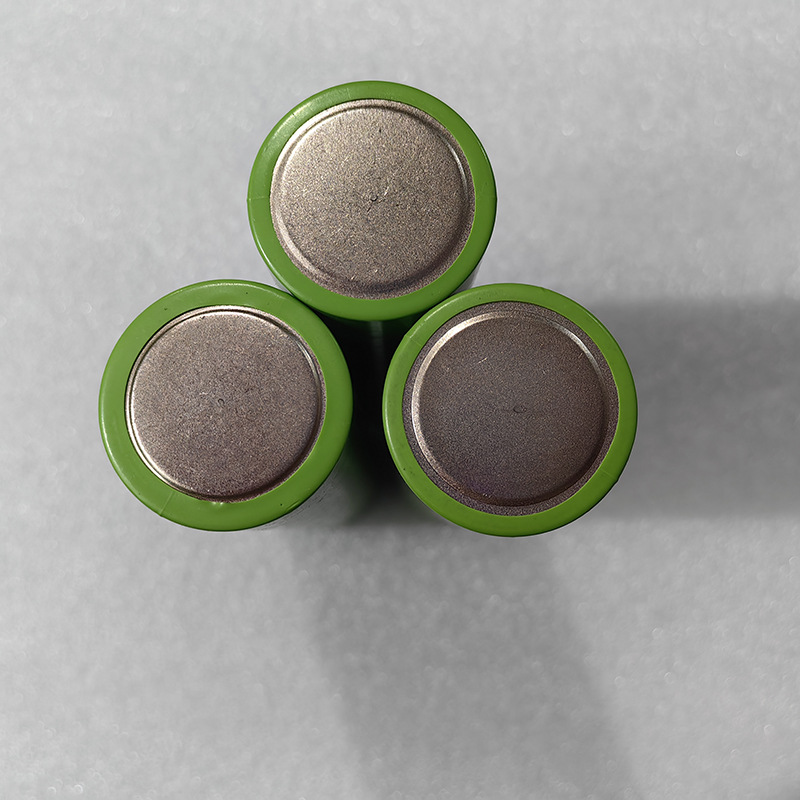
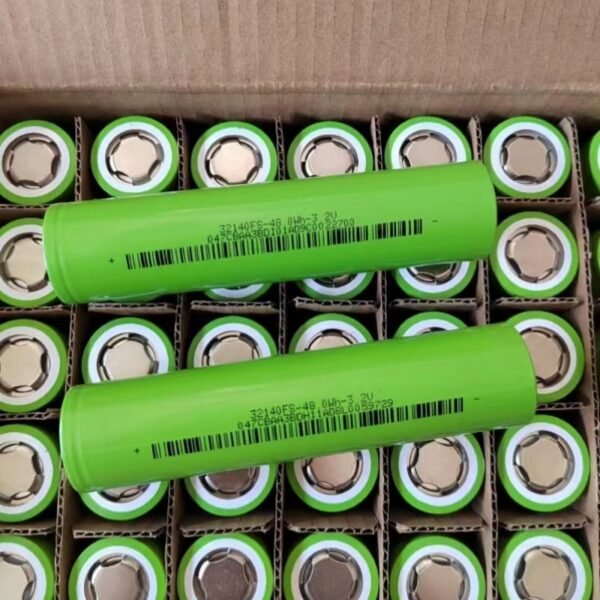
The 32700 cylindrical cell format measures 32mm in diameter and 70mm in length, offering approximately 6000-8500mAh capacity depending on the specific NCM chemistry variant (NCM 523, 622, or 811). The nominal voltage typically ranges from 3.6V to 3.7V, with maximum charging voltage at 4.2V. Energy density reaches 180-220 Wh/kg, making these cells suitable for applications requiring moderate power output with extended runtime.
Key performance parameters include:
- Continuous Discharge Rate: 1C to 3C standard, with high-power variants supporting 5C
- Cycle Life: 1500-2500 cycles at 80% DOD (Depth of Discharge)
- Operating Temperature: -20°C to 60°C discharge, 0°C to 45°C charge
- Internal Resistance: Typically 8-15mΩ for premium grade cells
Cell Matching Performance for Battery Pack Assembly
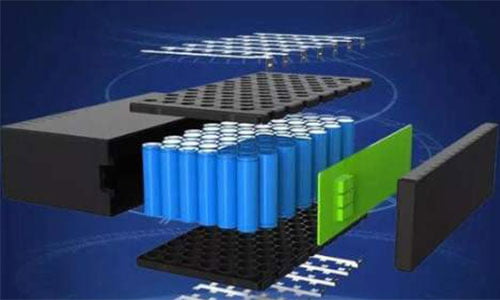
Perfect cell matching represents the cornerstone of reliable battery pack manufacturing. When purchasing wholesale 32700 NCM cells, B2B buyers must prioritize manufacturers capable of delivering tightly matched batches across four critical parameters:
Capacity Matching: Variance should remain within ±20mAh (approximately ±0.5%) for premium applications. Tighter matching prevents premature pack failure caused by individual cell imbalance during charge-discharge cycles.
Voltage Matching: Initial voltage variance must stay below ±5mV at 50% SOC (State of Charge). This ensures uniform current distribution across parallel configurations.
Internal Resistance Matching: Resistance variance within ±2mΩ minimizes heat generation disparities and prevents thermal runaway risks in series-connected configurations.
Self-Discharge Rate Matching: Consistent self-discharge characteristics (typically 2-3% per month at 25°C) maintain pack balance during storage periods.
Quality Assurance and Manufacturing Standards
Reputable battery manufacturers in China implement comprehensive quality control protocols aligned with international standards including IEC 62133, UN 38.3, and ISO 9001 certification. Critical manufacturing processes include:
- Automated electrode coating with thickness tolerance ±1μm
- Precision winding tension control for consistent internal structure
- Vacuum drying processes achieving moisture content below 100ppm
- Formation cycling with capacity grading and OCV testing
- X-ray inspection for internal defect detection
Procurement Considerations for B2B Exporters
When evaluating wholesale suppliers, technical procurement teams should request comprehensive documentation including:
- Batch Test Reports: Detailed capacity, voltage, and IR distribution charts for each production lot
- Safety Certifications: UN 38.3, MSDS, and transport compliance documentation
- Traceability Systems: QR code or barcode tracking from raw materials to finished cells
- Warranty Terms: Clear specifications for defect rates and replacement policies (industry standard: <0.5% defect rate)
- Lead Time and MOQ: Typical MOQ ranges from 10,000 to 50,000 pieces with 4-8 week production cycles
For detailed product specifications and technical datasheets, visit our cylindrical battery cell catalog to explore available 32700 NCM variants with customized capacity and discharge rate options.
Application-Specific Recommendations
Different end-use applications require specific cell characteristics:
- Energy Storage Systems (ESS): Prioritize cycle life and calendar life over power density. NCM 523 chemistry offers optimal balance.
- Electric Two-Wheelers: Focus on continuous discharge capability and thermal management. Consider NCM 622 for higher energy density.
- Portable Power Stations: Emphasize capacity consistency and low self-discharge for extended shelf life.
- Industrial Equipment: Require robust mechanical construction and wide temperature tolerance.
Supply Chain and Logistics Considerations
International buyers must account for lithium battery transportation regulations under IMDG Code and IATA DGR. Proper packaging includes UN-certified boxes with appropriate hazard labeling. Sea freight remains the most cost-effective option for bulk orders, though air freight may be necessary for urgent prototype quantities.
Establishing long-term partnerships with verified manufacturers ensures consistent quality across multiple production batches. Regular factory audits and third-party testing (SGS, TUV, or UL) provide additional quality assurance layers for critical applications.
Conclusion
The 32700 NCM cell format represents a mature, cost-effective solution for commercial battery pack applications requiring balanced performance characteristics. Success in wholesale procurement depends on thorough technical evaluation, stringent matching requirements, and partnership with manufacturers demonstrating consistent quality control capabilities.
For technical consultations, customized specifications, or bulk pricing inquiries, please contact our team to discuss your specific application requirements and receive comprehensive quotations with detailed technical documentation. Our engineering support team assists international B2B clients throughout the specification, sampling, and mass production phases to ensure optimal battery pack performance and reliability.