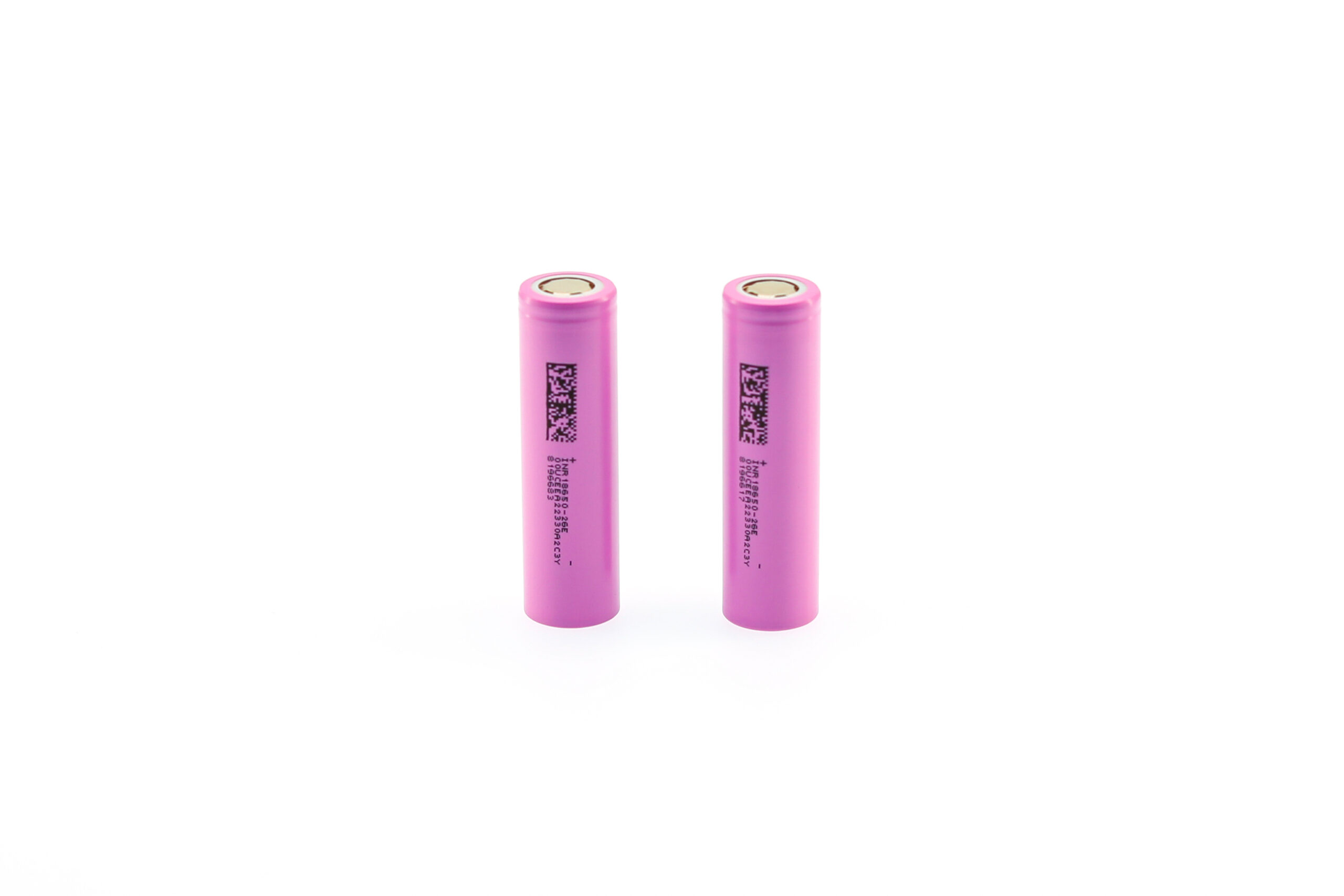
Buy Wholesale 18650 LFP Cells Bulk: High Performance with Zero Swelling Issues for EV Applications
The electric vehicle (EV) industry continues to demand reliable, cost-effective battery solutions that deliver consistent performance over extended operational cycles. For engineers and technical procurement professionals seeking wholesale 18650 LFP cells, understanding the technical advantages of lithium iron phosphate chemistry is essential for making informed bulk purchasing decisions. This article examines the critical performance characteristics, technical specifications, and procurement considerations for high-quality 18650 LFP battery cells designed specifically for EV applications.
Understanding LFP Chemistry Advantages
Lithium Iron Phosphate (LiFePO₄) technology has emerged as the preferred choice for commercial EV applications due to its exceptional thermal stability and extended cycle life. Unlike NMC or NCA chemistries, LFP cells utilize a phosphate-based cathode structure that provides superior structural integrity during charge-discharge cycles. The olivine crystal structure of LiFePO₄ minimizes oxygen release at elevated temperatures, significantly reducing thermal runaway risks—a critical consideration for fleet operators and EV manufacturers prioritizing safety standards.
The 18650 cylindrical form factor offers standardized dimensions (18mm diameter × 65mm length) that facilitate efficient thermal management and modular pack design. This standardization enables seamless integration into existing battery management systems while optimizing space utilization within vehicle chassis configurations.
Zero Swelling Performance: Technical Foundation
Cell swelling represents one of the most significant degradation mechanisms in lithium-ion batteries, particularly affecting pack integrity and long-term reliability. Premium 18650 LFP cells address this challenge through several engineering solutions:
Advanced Electrolyte Formulations: High-quality LFP cells incorporate stabilized electrolyte additives that minimize gas generation during cycling. These formulations reduce decomposition reactions at the electrode-electrolyte interface, preventing internal pressure buildup that causes cell expansion.
Optimized Electrode Coating: Precision coating techniques ensure uniform active material distribution across current collectors. This uniformity prevents localized stress points that contribute to mechanical deformation during repeated lithium intercalation and deintercalation processes.
Robust Cell Casing: Reinforced steel casings with enhanced pressure tolerance maintain structural integrity even under demanding operational conditions. Quality manufacturers implement rigorous pressure testing protocols to verify swelling resistance across temperature ranges from -20°C to 60°C.
For technical specifications and product details, visit our cylindrical battery cell product page.
Bulk Procurement Considerations for EV Applications
When sourcing wholesale 18650 LFP cells, technical procurement teams should evaluate several critical parameters beyond unit pricing:
Cycle Life Verification: Request documented cycle life data demonstrating capacity retention after 2000+ charge-discharge cycles at 80% depth of discharge. Quality LFP cells should maintain 80%+ capacity retention after 3000 cycles under standard testing conditions.
Consistency Metrics: Batch-to-batch consistency directly impacts battery pack performance. Specify maximum allowable variations in capacity (±2%), internal resistance (±3%), and voltage (±0.02V) across cells within each production lot.
Certification Compliance: Ensure cells meet international safety standards including UN38.3, IEC62133, UL1642, and CE certification. These certifications validate manufacturing quality controls and safety testing protocols.
Temperature Performance: Evaluate capacity retention curves across operational temperature ranges. Premium LFP cells should deliver 90%+ room temperature capacity at 0°C and maintain stable performance up to 55°C continuous operation.
Quality Manufacturing Standards
Partnering with established battery manufacturers ensures consistent quality control throughout the production process. Reputable manufacturers implement automated production lines with real-time quality monitoring, reducing defect rates below 0.1%. Manufacturing facilities should maintain ISO9001 certification and implement traceability systems enabling full production batch tracking.
For information about qualified battery manufacturers in China, explore our comprehensive resource at battery manufacturers in China.
Cost-Performance Optimization
While LFP cells typically command slightly higher initial costs compared to lower-grade alternatives, the total cost of ownership favors premium cells through extended service life and reduced warranty claims. Calculate lifetime cost per cycle rather than focusing solely on upfront pricing. Quality 18650 LFP cells deliver 2-3× longer operational life compared to standard lithium-ion alternatives, significantly reducing replacement frequency and associated downtime costs.
Supply Chain Reliability
Establish long-term supply agreements with manufacturers demonstrating consistent production capacity and inventory management. Request quarterly production capacity reports and maintain safety stock equivalent to 3-6 months of projected demand. This approach mitigates supply chain disruptions while ensuring production continuity for EV manufacturing operations.
Technical Support and Partnership
Select suppliers offering comprehensive technical support including cell matching services, pack design consultation, and failure analysis capabilities. Long-term partnerships with knowledgeable suppliers accelerate product development cycles and reduce time-to-market for new EV platforms.
For procurement inquiries and technical consultation, contact our team through our contact page.
Conclusion
Wholesale procurement of 18650 LFP cells requires careful evaluation of technical specifications, manufacturing quality, and long-term performance characteristics. By prioritizing zero swelling performance, cycle life verification, and certified manufacturing standards, EV manufacturers and technical procurement teams can secure reliable battery solutions that deliver consistent performance throughout vehicle operational life. The investment in high-quality LFP cells translates directly into reduced warranty costs, enhanced brand reputation, and improved customer satisfaction across commercial EV applications.