The global energy storage system (ESS) market continues its exponential growth, with lithium iron phosphate (LFP) chemistry emerging as the preferred choice for commercial and industrial applications. For B2B buyers seeking wholesale 18650 LFP cells, understanding certification requirements, performance parameters, and regional compliance standards is critical for successful procurement. This technical guide provides comprehensive insights for engineers and procurement specialists evaluating bulk battery cell suppliers.
Understanding 18650 LFP Cell Fundamentals
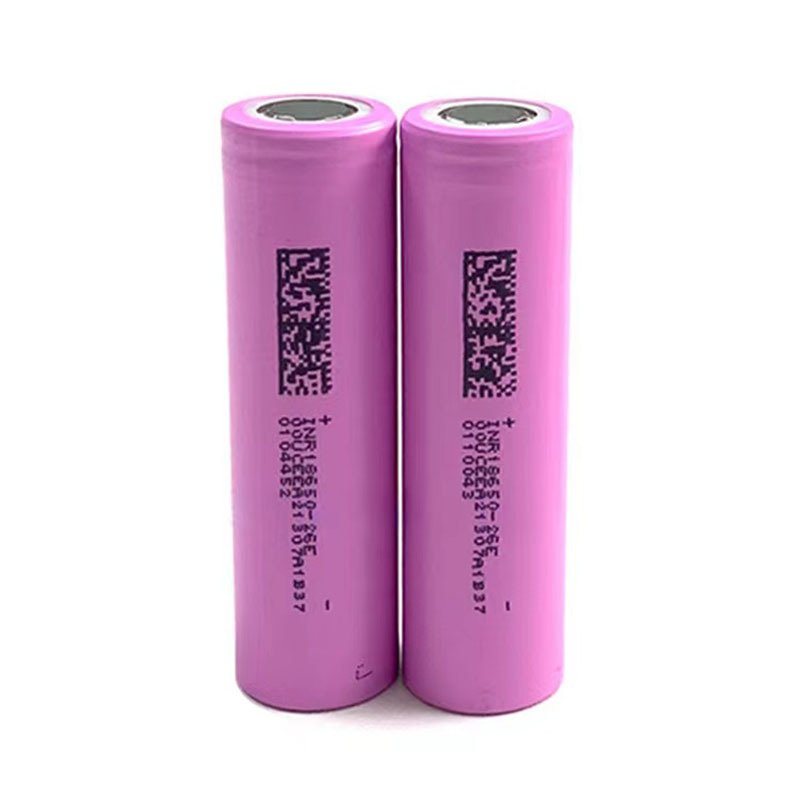
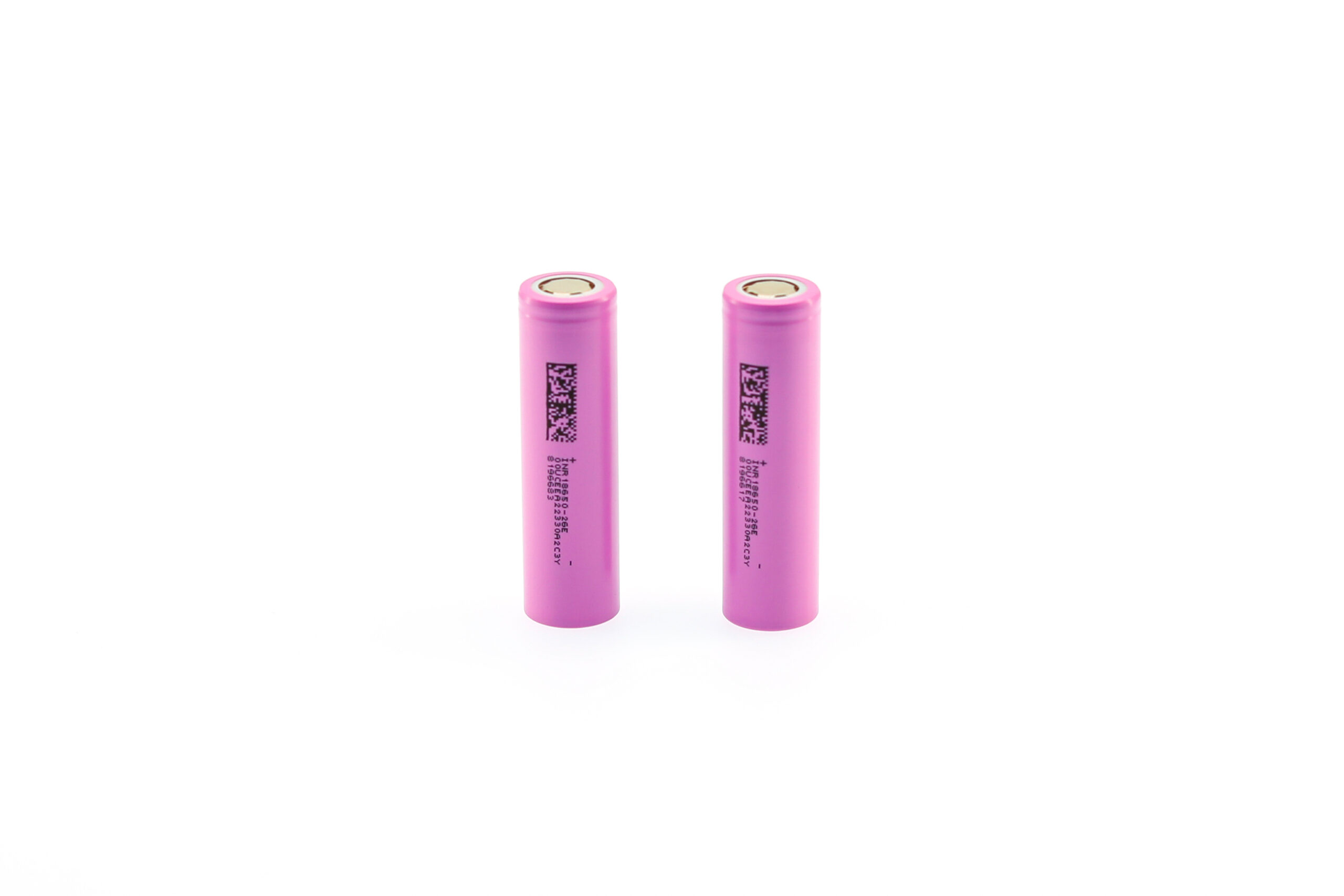
The 18650 designation refers to cylindrical cell dimensions: 18mm diameter and 65mm length. LFP chemistry (LiFePO₄) offers distinct advantages over NMC alternatives, including superior thermal stability, extended cycle life exceeding 3,000-5,000 cycles, and enhanced safety characteristics. The olivine crystal structure provides stable voltage platforms around 3.2V nominal, making these cells ideal for ESS applications requiring long-term reliability.
For wholesale procurement, key technical specifications include capacity ratings (typically 1,500-2,000mAh for standard 18650 LFP), continuous discharge rates (1C-3C standard), and operating temperature ranges (-20°C to 60°C). Quality manufacturers maintain capacity consistency within ±50mAh across production batches, ensuring balanced pack assembly.
Certification Requirements: UN38.3, UL, and CE Compliance
UN38.3 Transportation Safety: This United Nations certification is mandatory for international lithium battery shipping. The testing protocol includes eight sub-tests covering altitude simulation, thermal cycling, vibration, shock, external short circuit, impact, overcharge, and forced discharge. Certified cells demonstrate safe transport characteristics across air, sea, and ground freight channels.
UL Certification (UL1642/UL2054): Underwriters Laboratories certification validates cell safety for North American markets. UL1642 covers lithium cell construction requirements, while UL2054 addresses battery pack standards. For ESS exports to the United States, UL certification significantly reduces liability concerns and facilitates insurance coverage.
CE Marking for European Markets: CE compliance indicates conformity with EU health, safety, and environmental protection standards. This includes adherence to the EU Battery Directive (2006/66/EC) and RoHS restrictions on hazardous substances. European procurement teams prioritize CE-certified suppliers for regulatory compliance.
Performance Testing Methodologies
Professional buyers should request comprehensive test documentation including:
Cycle Life Testing: IEC62660 standards require cells to maintain 80% capacity after specified charge-discharge cycles at controlled temperatures (25°C±2°C). Quality LFP cells demonstrate minimal capacity fade over 2,000+ cycles at 1C rates.
Thermal Abuse Testing: Cells undergo heating protocols up to 150°C without thermal runaway. LFP chemistry’s higher thermal decomposition temperature (approximately 270°C) compared to NMC provides inherent safety advantages.
Electrical Performance Validation: Internal resistance measurements (typically 30-50mΩ for 18650 LFP), self-discharge rates (<3% monthly at 25°C), and capacity retention after storage validate manufacturing quality consistency.
Regional Technical Barriers and CNS Product Adaptability
Navigating regional compliance requirements represents a significant technical barrier for international battery procurement. Different markets maintain distinct certification preferences and technical standards that manufacturers must address systematically.
European Union Compliance: Beyond CE marking, EU buyers increasingly require battery passport documentation under the new EU Battery Regulation (2023). This includes carbon footprint declarations, recycled content percentages, and supply chain due diligence. Manufacturers serving European markets must maintain comprehensive traceability systems.
United States Market Requirements: Beyond UL certification, US projects often require compliance with state-specific regulations like California’s Title 20 energy efficiency standards. The Inflation Reduction Act incentives further favor domestically assembled or friendly-nation sourced components, affecting procurement strategies.
Emerging Market Considerations: Southeast Asian, Middle Eastern, and African markets often accept IECEE CB Scheme certificates as baseline requirements, reducing duplicate testing costs. However, local grid codes may impose additional performance requirements for ESS integration.
CNS Battery maintains comprehensive certification portfolios addressing these regional variations. Their cylindrical battery cell production lines accommodate diverse technical specifications while maintaining consistent quality standards across export markets. For detailed product specifications, visit https://cnsbattery.com/products-3/cylindrical-battery-cell/ to review technical datasheets and certification documentation.
Wholesale Procurement Best Practices
When evaluating bulk suppliers, consider manufacturing capacity, quality management systems (ISO9001), and after-sales technical support. Reputable manufacturers provide batch traceability, warranty terms (typically 3-5 years for ESS applications), and failure analysis capabilities.
Supply chain transparency has become increasingly important for ESG-compliant procurement. Verify raw material sourcing, particularly cobalt-free LFP chemistry advantages for conflict-mineral compliance.
For comprehensive manufacturer evaluation and direct technical consultation, access https://cnsbattery.com/battery-manufacturers-in-china/ for supplier qualification information. International buyers should establish clear communication channels for ongoing technical support throughout project lifecycles.
Conclusion
Wholesale 18650 LFP cell procurement requires thorough technical evaluation beyond price considerations. UN38.3, UL, and CE certifications provide baseline safety validation, but regional compliance requirements demand deeper supplier assessment. Partner with manufacturers demonstrating consistent quality control, comprehensive certification portfolios, and regional market expertise.
For direct technical consultation and customized quotation requests, contact the CNS Battery team at https://cnsbattery.com/contact-2/. Their engineering support team provides application-specific guidance for ESS projects across global markets, ensuring optimal cell selection for your specific operational requirements and regulatory environments.