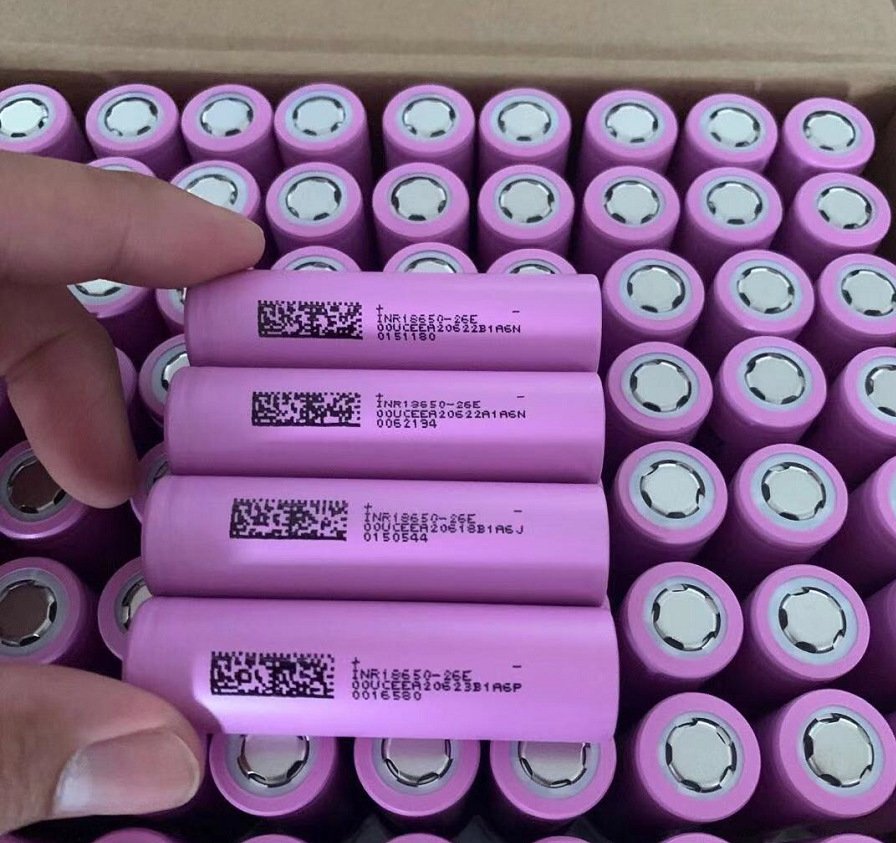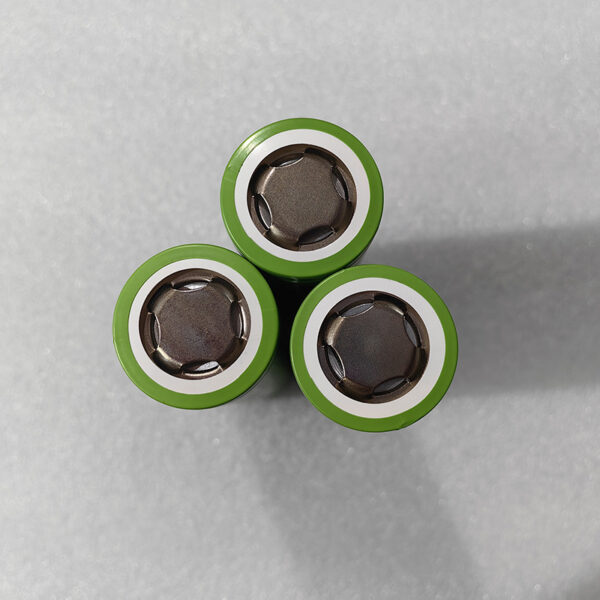
Buy Wholesale 18650 LFP Cells Bulk – High Sustainability & Carbon Footprint Performance for E-bike 2026 Buyer’s Guide
Introduction: The Intersection of Performance and Sustainability
As we navigate the global energy transition in 2026, the demand for high-performance, sustainable, and ethically sourced battery solutions has never been higher. For B2B buyers in the electric vehicle and energy storage sectors, the choice of battery chemistry is a strategic decision that impacts not only the technical performance of the final product but also the corporate sustainability metrics and carbon footprint reporting required by modern regulatory environments.
The 18650 Lithium Iron Phosphate (LFP) cell has emerged as the dominant force in this market, offering a compelling blend of safety, longevity, and environmental responsibility. However, sourcing these cells in bulk requires a deep understanding of the supply chain, technical specifications, and the specific performance requirements of your application—particularly in the rapidly growing e-bike segment.
This guide is designed to provide you with the technical insights and strategic sourcing knowledge necessary to make an informed decision when purchasing wholesale 18650 LFP cells. We will delve into the technical advantages of LFP chemistry, analyze the specific requirements for e-bike applications, and outline the key factors to consider when evaluating bulk suppliers.
Technical Deep Dive: Why 18650 LFP is the Standard for Sustainable Mobility
Before discussing procurement strategies, it is essential to understand the technical superiority of the 18650 LFP format compared to other lithium-ion chemistries (such as NMC or NCA) and other form factors (like prismatic or pouch cells).
1. The Chemistry of Safety and Longevity
Lithium Iron Phosphate (LiFePO4) is renowned for its olivine crystal structure, which provides exceptional thermal and chemical stability. Unlike Nickel-based chemistries, LFP cells do not release oxygen when overheated, significantly reducing the risk of thermal runaway and fire. This inherent safety makes LFP the preferred choice for consumer-facing products like e-bikes, where user safety is paramount.
Furthermore, LFP chemistry boasts an incredibly long cycle life. While standard NMC cells might degrade significantly after 500-1000 cycles, high-quality LFP cells can routinely achieve 2000 to 3000 cycles or more while retaining over 80% of their initial capacity. This longevity translates directly into a lower total cost of ownership (TCO) for the end-user and a reduced environmental burden due to less frequent battery replacements.
2. The Engineering Legacy of the 18650 Form Factor
The 18650 cell (18mm diameter, 65mm length) is the oldest and most mature format in lithium-ion technology. This maturity brings several advantages:
- Manufacturing Consistency: Decades of refinement have led to highly automated production lines capable of producing cells with extremely low variance in capacity and internal resistance. This consistency is critical for building reliable battery packs.
- Thermal Management: The cylindrical shape allows for natural air gaps between cells when packed, facilitating passive or active cooling. This is particularly beneficial for high-drain applications like e-bikes.
- Mechanical Robustness: The steel or aluminum casing of an 18650 cell provides excellent structural integrity, protecting the internal electrodes from physical deformation.
3. Carbon Footprint and Sustainability Metrics
In 2026, compliance with carbon border regulations and corporate ESG (Environmental, Social, and Governance) goals is non-negotiable. LFP technology has a distinct advantage here:
- Cobalt and Nickel Free: LFP chemistry does not require cobalt or nickel, which are associated with high carbon emissions during mining and refining, as well as significant ethical and human rights concerns.
- Recyclability: The simple composition of LFP cells (primarily iron and phosphate) makes them easier and more cost-effective to recycle at the end of their life compared to complex multi-metal oxides.
Application-Specific Analysis: Optimizing 18650 LFP for E-Bikes
E-bikes represent a unique application for battery technology. They require a balance of high energy density (for range), high power density (for torque and hill climbing), and robust safety features. When sourcing 18650 LFP cells for e-bike integration, buyers must focus on three critical technical parameters:
1. Energy Density vs. Power Density Trade-offs
While LFP cells generally have a slightly lower nominal voltage (3.2V) compared to NMC (3.6V-3.7V), advancements in electrode engineering have significantly closed the energy density gap. For e-bikes, the focus should be on cells that offer a balance. Pure “energy” cells might lack the burst current needed for acceleration, while pure “power” cells might sacrifice range. Look for cells specifically rated for high continuous discharge rates (e.g., 10A-20A continuous) without significant voltage sag.
2. Vibration and Shock Resistance
E-bikes operate in harsh mechanical environments. The battery pack must withstand constant vibration, bumps, and potential impacts. The robust metal casing of the 18650 cell provides a mechanical advantage here. However, the internal construction of the cell is equally important. High-quality LFP cells utilize advanced winding techniques and robust separators to prevent internal micro-shorts caused by vibration.
3. Battery Management System (BMS) Compatibility
LFP cells have a very flat discharge curve, meaning the voltage remains relatively stable for most of the discharge cycle and then drops sharply at the end. This requires a sophisticated BMS with accurate state-of-charge (SoC) algorithms to prevent over-discharge, which can permanently damage LFP cells. When sourcing cells, ensure that the supplier provides detailed BMS integration guidelines and cell characterization data.
The 2026 Buyer’s Checklist: Sourcing Wholesale 18650 LFP Cells
Purchasing batteries in bulk is a complex procurement exercise that goes beyond just price per watt-hour. In 2026, the supply chain resilience, quality control, and technical support offered by the manufacturer are decisive factors.
1. Quality Control and Testing Protocols
Do not accept “standard” industry testing as sufficient. Leading manufacturers in 2026 implement 100% inline testing, including:
- K值 (K-value) Testing: Monitoring the voltage drop over time to detect micro-shorts and predict cell lifespan.
- Internal Resistance Sorting: Cells are grouped (or “binned”) based on extremely tight tolerances of internal resistance to ensure pack balance.
- Automated Visual Inspection: Using machine vision to detect casing defects, electrode misalignment, or contamination.
2. Supply Chain Transparency and Traceability
Modern procurement departments require full traceability of raw materials. Ask your supplier for a “Battery Passport” or equivalent documentation that tracks the origin of the lithium, iron, and phosphate. This is crucial for carbon footprint calculations and avoiding conflict minerals.
3. Customization Capabilities
While the 18650 is a standard size, the electrical characteristics can be tailored. A good supplier should offer customization options such as:
- Tab Configuration: Different welding tab designs for easier pack assembly.
- Capacity Matching: Providing cells specifically binned for your voltage and capacity requirements.
- Safety Features: Optional Pressure Relief Devices (PRD) or specific venting mechanisms.
Why Choose CNS BATTERY for Your 2026 Procurement?
Navigating the complexities of the 2026 battery market requires a partner with deep technical expertise and a commitment to sustainable manufacturing. CNS BATTERY (Henan CNS Energy Technology Co., Ltd.), headquartered in Zhengzhou, China, stands out as a leading manufacturer of high-performance cylindrical lithium-ion cells.
1. Engineering Excellence in Cylindrical Technology
While many manufacturers focus on prismatic or pouch cells, CNS BATTERY specializes in the 18650, 21700, and 32700 formats. This specialization allows for deep optimization of the cylindrical platform. Their product range includes high-energy density solutions ideal for e-bikes and energy storage systems. The CNS 18650 platform, for example, is engineered for long cycle life and high reliability, making it a perfect fit for the demanding requirements of the e-bike market.
2. Commitment to Quality and Sustainability
CNS BATTERY operates under strict quality management systems, ensuring that every cell meets international safety standards. Their focus on automated production lines minimizes human error and maximizes consistency. Furthermore, as a responsible manufacturer, CNS BATTERY adheres to ethical sourcing practices, providing the supply chain transparency that modern B2B buyers demand.
3. Global Partnership and Support
Understanding that every e-bike application is unique, CNS BATTERY offers comprehensive R&D support and customizable solutions. Whether you need a standard cell or a modified version for a specific pack design, their team of engineers works directly with your technical staff to deliver the optimal power solution.
For B2B buyers looking for a reliable source of wholesale 18650 LFP cells, CNS BATTERY offers the technical depth, manufacturing capability, and commitment to sustainability required to succeed in the 2026 market.
Explore the CNS BATTERY Range:
To learn more about their cylindrical battery cells and how they can meet your specific e-bike or energy storage needs, visit their product page: Cylindrical Battery Cell Products.
Contact a Specialist:
For direct inquiries regarding bulk pricing, customization, or technical specifications, reach out to the CNS BATTERY team. As a leading Battery Manufacturer in China, they are equipped to handle global distribution and provide localized support.