

Buy Wholesale 18650 LFP Cells Bulk: High Short Lead Time Performance for Electric Motorcycle Ultimate Guide
The electric motorcycle industry is experiencing unprecedented growth, and battery selection has become a critical decision point for manufacturers and system integrators. Among various lithium battery chemistries, 18650 LFP (Lithium Iron Phosphate) cells have emerged as the preferred choice for bulk procurement, offering exceptional thermal stability, extended cycle life, and competitive pricing. This comprehensive guide addresses the essential considerations for technical buyers and engineers seeking wholesale 18650 LFP cells with short lead times for electric motorcycle applications.
Understanding 18650 LFP Cell Technology
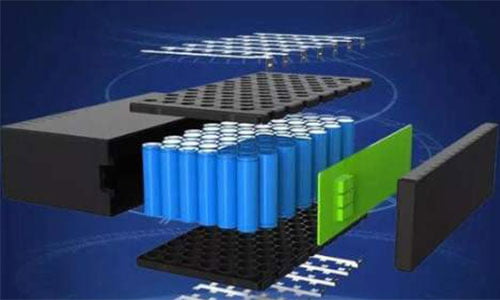
The 18650 designation refers to the cylindrical cell’s physical dimensions: 18mm diameter and 65mm length. LFP chemistry utilizes lithium iron phosphate (LiFePO₄) as the cathode material, distinguishing it from NMC or NCA alternatives. The olivine crystal structure of LFP provides superior thermal stability, with decomposition temperatures exceeding 270°C compared to approximately 150°C for cobalt-based chemistries.
For electric motorcycle applications, this translates to enhanced safety margins during high-current discharge scenarios and reduced thermal runaway risks. The nominal voltage of 3.2V per cell requires series configurations (typically 13S for 48V systems or 20S for 72V systems) to achieve desired pack voltages. While energy density remains lower than NMC alternatives (approximately 90-120 Wh/kg versus 150-220 Wh/kg), the trade-off favors applications prioritizing longevity and safety over maximum range.
Key Performance Metrics for Bulk Procurement
When evaluating wholesale 18650 LFP cells, technical buyers should prioritize the following specifications:
Cycle Life: Quality Grade-A 18650 LFP cells deliver 2,000-3,000 full discharge cycles at 80% depth of discharge, significantly outperforming conventional lithium-ion alternatives. This extended lifespan reduces total cost of ownership for electric motorcycle fleets.
Continuous Discharge Rate: Electric motorcycle applications typically require 3C-5C continuous discharge capability with peak rates reaching 10C during acceleration. Verify manufacturer specifications match your powertrain requirements.
Operating Temperature Range: LFP chemistry maintains stable performance between -20°C to 60°C, though optimal charging occurs between 0°C to 45°C. Consider thermal management system integration for extreme climate operations.
Internal Resistance: Lower internal resistance (typically 30-50mΩ for quality cells) minimizes heat generation during high-current operations and improves overall system efficiency.
Supply Chain Considerations and Lead Time Optimization
Short lead times have become a competitive differentiator in the battery procurement landscape. Established manufacturers with vertical integration capabilities can typically offer 2-4 week delivery windows for standard configurations, compared to 8-12 weeks for customized solutions. For detailed information about reliable battery manufacturers in China, visit https://cnsbattery.com/battery-manufacturers-in-china/ to evaluate potential supply partners.
Bulk orders (typically 10,000+ cells) qualify for preferential pricing and dedicated production slots. However, technical buyers should maintain safety stock equivalent to 6-8 weeks of production to mitigate supply chain disruptions. Quality certification requirements vary by market: UN38.3 transportation certification is mandatory, while CE, UL, or IEC certifications depend on target regions.
Electric Motorcycle Integration Best Practices
Successful 18650 LFP integration requires systematic approach to pack design and battery management. Key considerations include:
Cell Matching: Implement strict voltage and capacity matching protocols (±10mV voltage tolerance, ±2% capacity tolerance) before pack assembly to prevent premature degradation.
BMS Selection: Choose battery management systems with LFP-specific charging algorithms, including proper voltage thresholds (3.65V charge cutoff, 2.5V discharge cutoff) and temperature monitoring capabilities.
Thermal Management: While LFP chemistry offers inherent thermal stability, active or passive cooling systems extend cycle life and maintain performance consistency across varying operating conditions.
For comprehensive cylindrical battery cell specifications and technical documentation, explore https://cnsbattery.com/products-3/cylindrical-battery-cell/ to access detailed product catalogs and engineering resources.
Cost-Benefit Analysis for Wholesale Purchasing
The total cost equation extends beyond per-cell pricing. Consider these factors:
- Initial Investment: LFP cells typically command 10-15% premium over equivalent NMC cells, but this gap continues narrowing as production scales.
- Replacement Frequency: Extended cycle life reduces replacement intervals by 40-60% compared to alternative chemistries.
- Warranty Liability: Lower thermal runaway risk translates to reduced warranty claims and insurance costs.
- Residual Value: LFP packs maintain higher residual values in secondary markets due to predictable degradation patterns.
Quality Verification and Supplier Due Diligence
Before committing to bulk purchases, implement comprehensive supplier qualification protocols:
- Request third-party test reports from recognized laboratories (SGS, TUV, UL)
- Verify manufacturing facility certifications (ISO 9001, IATF 16949 for automotive applications)
- Conduct sample testing for capacity verification, internal resistance measurement, and cycle life validation
- Evaluate supplier’s technical support capabilities and after-sales service infrastructure
For direct communication with qualified battery suppliers and technical consultation, contact https://cnsbattery.com/contact-2/ to initiate procurement discussions.
Conclusion
The 18650 LFP cell represents an optimal balance of safety, longevity, and cost-effectiveness for electric motorcycle applications. As the industry matures, suppliers offering short lead times combined with consistent quality will capture increasing market share. Technical buyers should prioritize partnerships with manufacturers demonstrating vertical integration, comprehensive quality systems, and responsive customer support. By implementing the evaluation frameworks outlined in this guide, organizations can secure reliable 18650 LFP supply chains that support sustainable electric motorcycle production scales.
The transition to electrified two-wheeler transportation demands battery solutions that balance performance expectations with practical deployment realities. 18650 LFP cells, when sourced from qualified suppliers with appropriate technical support infrastructure, provide the foundation for successful electric motorcycle programs across diverse market segments.

