

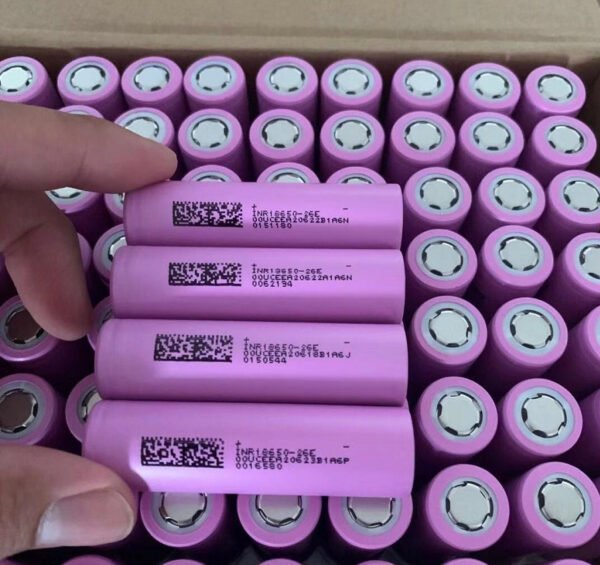
Buy Wholesale 18650 LFP Cells Bulk – High Perfect Cell Matching Performance for Power Tools Complete Solution
Introduction: The Critical Role of Cell Matching in Professional Power Tool Applications
In the rapidly evolving landscape of portable power solutions, 18650 LFP (Lithium Iron Phosphate) cells have emerged as the preferred choice for industrial power tool manufacturers seeking optimal balance between safety, longevity, and performance. When procuring batteries at wholesale scale, understanding cell matching parameters becomes paramount for ensuring consistent pack performance and minimizing field failure rates. This technical guide addresses key considerations for B2B buyers, engineers, and procurement specialists evaluating bulk 18650 LFP cell suppliers.
Technical Foundation: Understanding 18650 LFP Cell Architecture
The 18650 form factor (18mm diameter × 65mm length) remains industry-standard for cylindrical lithium-ion applications. LFP chemistry offers distinct advantages over NMC or NCA alternatives:
- Thermal Stability: LFP cells maintain structural integrity up to 270°C, significantly reducing thermal runaway risks in high-current power tool applications
- Cycle Life: Typical LFP cells deliver 2,000-5,000 full discharge cycles at 80% depth-of-discharge, outperforming conventional lithium-ion chemistries by 2-3×
- Voltage Platform: Nominal 3.2V operating voltage with flat discharge curve enables predictable power delivery throughout discharge cycles
- Safety Profile: Phosphate-based cathode chemistry eliminates cobalt dependency while maintaining excellent overcharge tolerance
Cell Matching Parameters: The Foundation of Pack Reliability
Professional battery pack assembly requires precise cell matching across multiple electrical parameters. Inconsistent cell characteristics lead to premature pack degradation, capacity imbalance, and potential safety hazards.
1. Capacity Matching (mAh)
Cells within a single pack should exhibit capacity variance below ±1%. Higher variance causes weaker cells to experience deeper discharge cycles, accelerating degradation. Wholesale suppliers should provide capacity grading documentation with each production batch.
2. Internal Resistance Matching (mΩ)
Internal resistance directly impacts voltage sag under load. For power tool applications requiring 10A-30A continuous discharge, resistance matching within ±3mΩ ensures balanced current distribution across parallel cell groups. Elevated resistance generates excess heat, reducing overall pack efficiency.
3. Voltage Matching (V)
Pre-assembly cell voltage should be matched within ±5mV at identical state-of-charge. Voltage mismatch forces battery management systems (BMS) to perform excessive balancing, wasting energy and extending charge times.
4. Self-Discharge Rate Consistency
Quality LFP cells demonstrate self-discharge rates below 3% per month at 25°C. Significant variance indicates manufacturing defects or electrolyte inconsistencies, compromising long-term storage performance.
Quality Assurance Protocols for Bulk Procurement
When evaluating wholesale suppliers, B2B buyers should verify the following quality control measures:
- Incoming Material Inspection: Cathode/anode material certification from verified suppliers
- Formation Cycling: Minimum 3 formation cycles before capacity grading
- Aging Testing: 7-14 day storage at elevated temperature (45°C) to identify early-life failures
- Traceability: Complete batch tracking from raw materials through final testing
- Third-Party Certification: UN38.3, IEC62133, CE, and UL compliance documentation
Reputable battery manufacturers in China maintain ISO9001-certified production facilities with automated sorting equipment achieving matching precision beyond manual capabilities.
Power Tool-Specific Performance Considerations
Power tool applications impose unique demands on 18650 LFP cells:
| Parameter | Requirement | Technical Rationale |
|---|---|---|
| Continuous Discharge | 15A-25A | Sustained torque delivery during operation |
| Pulse Current | 40A-60A (3-5 sec) | Peak load during material penetration |
| Operating Temperature | -20°C to 60°C | Outdoor construction environment tolerance |
| Vibration Resistance | 10Grms random | Durability under field conditions |
| Charge Rate | 1C-2C maximum | Rapid turnaround between work shifts |
LFP chemistry excels in high-temperature environments where NMC cells experience accelerated degradation. However, low-temperature performance requires careful electrolyte formulation to maintain acceptable discharge capability below 0°C.
Supply Chain Considerations for International Buyers
Global procurement teams should evaluate suppliers based on:
- Production Capacity: Minimum 500,000 cells/month for consistent supply
- Lead Time: 4-6 weeks from order confirmation to shipment
- Customization Options: Private labeling, custom capacity grading, terminal configurations
- Logistics Support: DG-certified shipping documentation for air/sea freight
- After-Sales Technical Support: Engineering assistance for pack design optimization
For detailed product specifications and technical consultation, explore our comprehensive cylindrical battery cell catalog featuring multiple 18650 LFP variants optimized for power tool applications.
Conclusion: Building Long-Term Partnerships with Qualified Suppliers
Selecting the right wholesale partner for 18650 LFP cells extends beyond unit pricing considerations. Technical capability, quality consistency, and supply chain reliability determine long-term project success. Manufacturers prioritizing cell matching precision and comprehensive quality documentation deliver measurable value through reduced warranty claims and enhanced end-user satisfaction.
For technical inquiries, customization requests, or sample evaluation programs, our engineering team stands ready to support your battery procurement requirements. Contact us directly at https://cnsbattery.com/contact-2/ to initiate discussions regarding your specific application needs and volume requirements.
This technical guide serves informational purposes for B2B battery procurement professionals. Specifications may vary by manufacturer and production batch. Always request current technical datasheets before finalizing purchase agreements.


