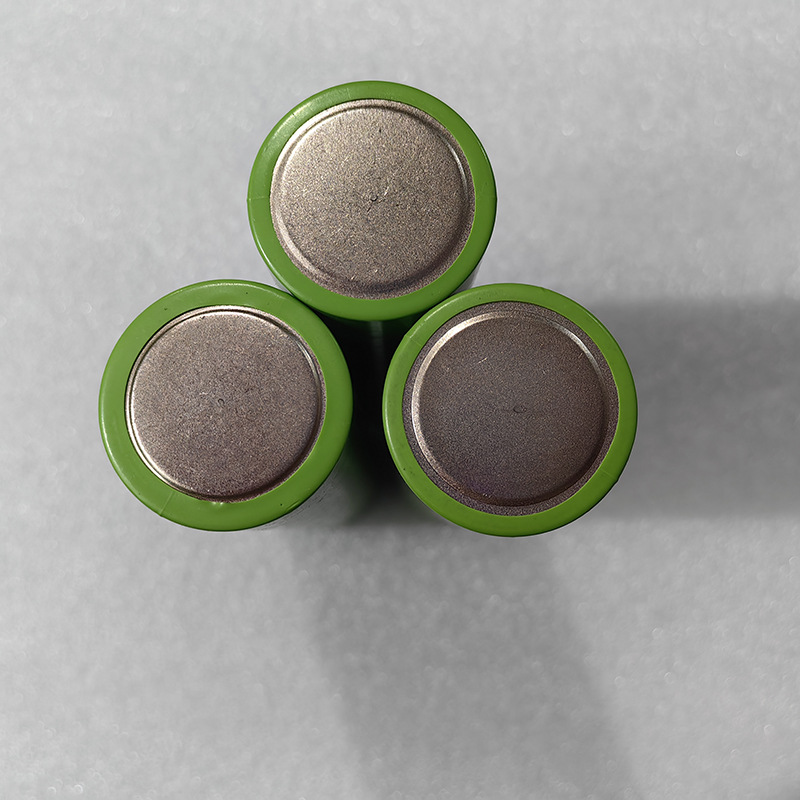
Buy Wholesale 18650 LFP Cells Bulk – High Minimal Capacity Fade Performance for EV Solve Today
The electric vehicle (EV) industry continues to demand battery solutions that balance cost-efficiency, safety, and long-term performance. Among various lithium-ion chemistries, 18650 Lithium Iron Phosphate (LFP) cells have emerged as a preferred choice for wholesale buyers seeking minimal capacity fade and reliable cycle life. This article provides a technical deep-dive into 18650 LFP specifications, performance metrics, and procurement considerations for engineers and technical purchasers evaluating bulk battery solutions.
Understanding 18650 LFP Cell Architecture
The 18650 designation refers to the cylindrical cell’s physical dimensions: 18mm diameter and 65mm length. LFP chemistry utilizes lithium iron phosphate (LiFePO₄) as the cathode material, offering distinct advantages over nickel-based alternatives. Key electrical specifications include:
- Nominal Voltage: 3.2V (compared to 3.6-3.7V for NMC/NCA)
- Charge Cut-off Voltage: 3.6V
- Discharge Cut-off Voltage: 2.5V
- Typical Capacity Range: 1,200mAh to 3,350mAh
- Operating Temperature: -20°C to 60°C
The olivine crystal structure of LFP provides exceptional thermal stability, with decomposition temperatures exceeding 270°C—significantly higher than ternary chemistries. This intrinsic safety characteristic reduces thermal runaway risks, making 18650 LFP cells ideal for EV applications where safety certification is paramount.
Capacity Fade Performance: Technical Analysis
Capacity fade represents the gradual reduction in usable capacity over charge-discharge cycles. For 18650 LFP cells, several factors influence this degradation:
1. Cycle Life Metrics
Premium 18650 LFP cells typically deliver 2,000-5,000 full cycles at 80% depth of discharge (DOD) while maintaining 80% of initial capacity. This substantially exceeds NMC alternatives, which average 1,000-2,000 cycles under similar conditions.
2. Degradation Mechanisms
LFP chemistry minimizes structural degradation during lithium intercalation. The FePO₄/LiFePO₄ phase transition occurs with minimal volume change (<7%), reducing mechanical stress on electrode materials. Additionally, LFP exhibits superior resistance to electrolyte decomposition at elevated temperatures.
3. Temperature-Dependent Performance
At -20°C, quality 18650 LFP cells maintain over 70% capacity retention. High-temperature operation (55°C) shows minimal accelerated aging compared to cobalt-based chemistries, crucial for EV battery packs operating in diverse climates.
Wholesale Procurement Considerations
When sourcing 18650 LFP cells in bulk, technical purchasers should evaluate several critical parameters:
Quality Certification: Ensure cells meet UN38.3, IEC62133, and UL1642 standards. Grade-A cells should demonstrate capacity matching within ±3% and internal resistance variation below 5mΩ.
Manufacturing Consistency: Reputable manufacturers maintain production tolerances ensuring cell-to-cell uniformity. This reduces balancing requirements in battery pack assembly and extends overall system life.
Cost Efficiency: LFP chemistry offers approximately 35% cost reduction compared to ternary systems, primarily due to the absence of cobalt and nickel. For high-volume EV applications, this translates to significant savings without compromising performance.
Supply Chain Reliability: Partner with established manufacturers who demonstrate vertical integration across cathode material production, cell manufacturing, and quality control processes.
Application-Specific Optimization
For EV applications, 18650 LFP cells require careful pack design consideration:
- Series-Parallel Configuration: Typical EV packs utilize 96S-120S configurations to achieve 300-400V nominal pack voltage
- Thermal Management: While LFP offers superior thermal stability, active cooling systems optimize performance and longevity
- BMS Integration: Battery Management Systems must accommodate LFP’s flatter voltage curve for accurate state-of-charge estimation
Partnering with Reliable Manufacturers
Selecting the right manufacturing partner ensures consistent quality and technical support throughout your product lifecycle. Established battery manufacturers in China offer competitive pricing while maintaining international quality standards. For detailed product specifications and technical consultation, visit our cylindrical battery cell product page to explore available 18650 LFP options.
When evaluating suppliers, consider their manufacturing capabilities, quality control processes, and after-sales support. Comprehensive manufacturer directories can help identify qualified partners—explore our battery manufacturers in China resource for vetted supplier information.
Conclusion
18650 LFP cells represent an optimal solution for EV applications prioritizing safety, cycle life, and total cost of ownership. The minimal capacity fade characteristics, combined with robust thermal performance and competitive pricing, make wholesale 18650 LFP procurement a strategic decision for forward-thinking EV manufacturers.
For technical inquiries, customization requirements, or bulk quotation requests, our team stands ready to support your battery sourcing needs. Contact us directly through our contact page to discuss your specific application requirements and receive detailed specifications aligned with your project timeline.
Investing in quality 18650 LFP cells today ensures your EV solutions deliver reliable performance throughout their operational lifetime—minimizing warranty claims, maximizing customer satisfaction, and strengthening your market position in the rapidly evolving electric mobility sector.