Buy Wholesale 18650 LFP Cells Bulk – High Minimal Capacity Fade Performance for EV 2026 Buyer’s Guide
For EV manufacturers and technical procurement professionals evaluating wholesale 18650 LFP cells in 2026, understanding capacity fade performance is critical for long-term battery pack reliability. This guide provides an in-depth technical breakdown of lithium iron phosphate (LFP) cylindrical cells, focusing on minimal degradation metrics, compliance standards, and regional adaptation requirements for EU and US markets.
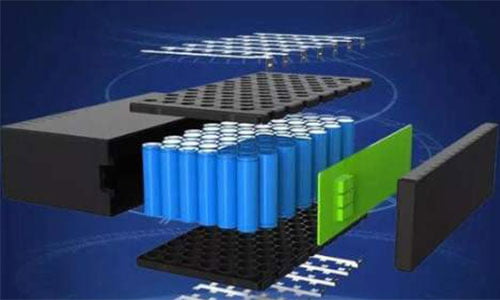
Understanding 18650 LFP Cell Architecture
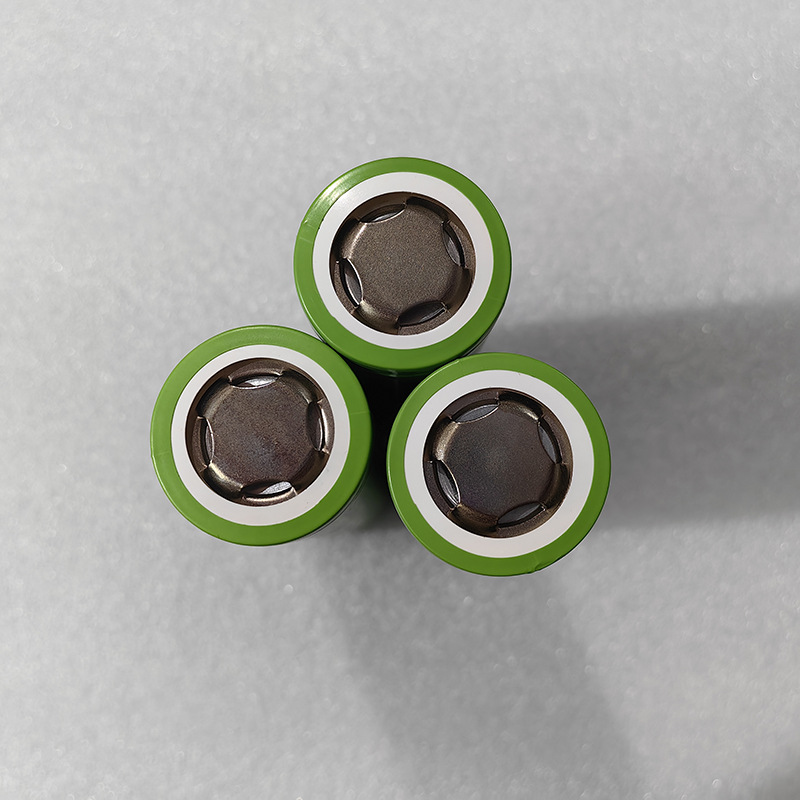
The 18650 form factor (18mm diameter × 65mm length) remains the industry standard for cylindrical lithium cells. LFP chemistry offers distinct advantages over NMC alternatives: superior thermal stability, extended cycle life, and inherently safer operation due to the stable olivine crystal structure. For EV applications, LFP cells typically deliver 3.2V nominal voltage with charging cutoff at 3.6V, compared to 3.7V/4.2V for conventional lithium-ion variants.
Key Performance Parameters for Bulk Procurement
1. Capacity Fade Resistance
Premium 18650 LFP cells demonstrate ≤20% capacity loss after 2000+ cycles at 1C discharge rates. The minimal fade performance stems from LFP’s stable cathode structure, which experiences negligible lattice distortion during lithium intercalation. Buyers should request cycle life test data conducted at 25°C and 45°C ambient conditions to verify thermal resilience.
2. Energy Density vs. Safety Trade-off
While LFP cells offer lower gravimetric energy density (90-120 Wh/kg) compared to NMC, the safety margin justifies selection for commercial EV fleets. Thermal runaway initiation temperature exceeds 270°C for LFP versus 150°C for cobalt-based chemistries. This parameter directly impacts battery management system (BMS) complexity and insurance costs.
3. Internal Resistance Consistency
Batch-to-batch impedance variation should remain below 5mΩ for parallel cell configurations. High resistance variance causes current imbalance, accelerating localized degradation. Reputable manufacturers provide impedance distribution charts with wholesale shipments.
Testing Methodologies for Quality Verification
Technical buyers must validate supplier claims through standardized testing protocols:
- IEC 62619: Secondary lithium cells for industrial applications
- UN38.3: Transportation safety certification (mandatory for air/sea freight)
- UL 1642: Cell-level safety standard for North American markets
- CE/ROHS: European conformity requirements
Request third-party laboratory reports from SGS, TÜV, or UL for capacity retention data after 500, 1000, and 2000 cycles. Humidity testing (40°C/90% RH for 48 hours) verifies seal integrity—critical for tropical climate deployments.
Regional Compliance and Technical Barriers
European Union Market Entry
EU Battery Regulation (2023/1542) mandates carbon footprint declarations and minimum recycled content thresholds by 2027. LFP cells benefit from cobalt-free composition, simplifying supply chain due diligence under CBAM requirements. CE marking requires electromagnetic compatibility (EMC) testing for integrated battery systems.
United States Technical Standards
US procurement prioritizes UL certification and domestic content preferences under IRA incentives. California’s Advanced Clean Cars II regulation influences fleet electrification timelines, creating demand for verified cycle-life performance. State-specific recycling mandates (e.g., California SB 1215) require end-of-life traceability.
Asia-Pacific Adaptation
Chinese manufacturers dominate 18650 LFP production, offering competitive pricing but requiring rigorous vendor qualification. Battery manufacturers in China must demonstrate ISO 9001/14001 compliance and provide material traceability documentation for automotive-grade cells.
CNS Technology Integration for Global Markets
CNS Battery’s cylindrical cell division specializes in automotive-grade 18650 LFP production with capacity options ranging from 1500mAh to 3000mAh. Their manufacturing process incorporates automated electrode coating consistency control (±1μm tolerance) and laser-welded safety vents—critical for minimizing capacity fade variance across production batches.
For EV applications requiring extended warranty periods, CNS offers cells validated through 3000-cycle testing at 80% depth-of-discharge, exceeding typical industry benchmarks. The company’s R&D team provides technical support for BMS integration, ensuring optimal charge/discharge profiles that maximize cell longevity.
Technical procurement teams evaluating wholesale partnerships should prioritize suppliers offering:
- Batch-specific test certificates
- 10-year performance warranties
- Regional compliance documentation (EU/US/Asia)
- Localized technical support infrastructure
Explore CNS Battery’s complete cylindrical battery cell portfolio for detailed specifications and customization options aligned with your EV platform requirements.
Conclusion: Strategic Sourcing for 2026 EV Production
The 2026 EV market demands battery suppliers capable of delivering consistent minimal capacity fade performance across multi-year production cycles. 18650 LFP cells represent the optimal balance of safety, longevity, and total cost of ownership for commercial fleet applications. Buyers must verify regional compliance credentials, request independent test validation, and establish clear performance guarantees before committing to bulk procurement agreements.
For technical consultations and wholesale pricing inquiries, contact CNS Battery’s engineering team through their official contact portal to discuss your specific EV platform requirements and regional certification needs.
This guide serves technical procurement professionals evaluating LFP cell suppliers for EV manufacturing. All specifications should be verified through independent testing before production deployment.