The Definitive Guide to 18650 LFP Cells for Electric Motorcycles: Performance & Longevity
When sourcing batteries for electric motorcycles (E-Motorcycles), the primary concern for any seasoned engineer or procurement manager is cycle life stability. Unlike consumer electronics, e-bikes and motorcycles require cells that can endure thousands of deep cycles without significant capacity fade. This is where 18650 Lithium Iron Phosphate (LFP) technology distinguishes itself from standard NMC chemistries.
As a professional lithium battery manufacturer, we understand that “Wholesale” and “Bulk” purchasing decisions are not just about upfront cost—they are about Total Cost of Ownership (TCO). A cell that costs slightly more per watt-hour but lasts twice as long is the true economic winner. In this article, we will dissect the technical reasons why specific 18650 LFP formulations are the optimal choice for high-performance electric motorcycles, focusing on thermal stability, volumetric efficiency, and longevity.
Why 18650 LFP Chemistry Dominates the E-Motorcycle Market
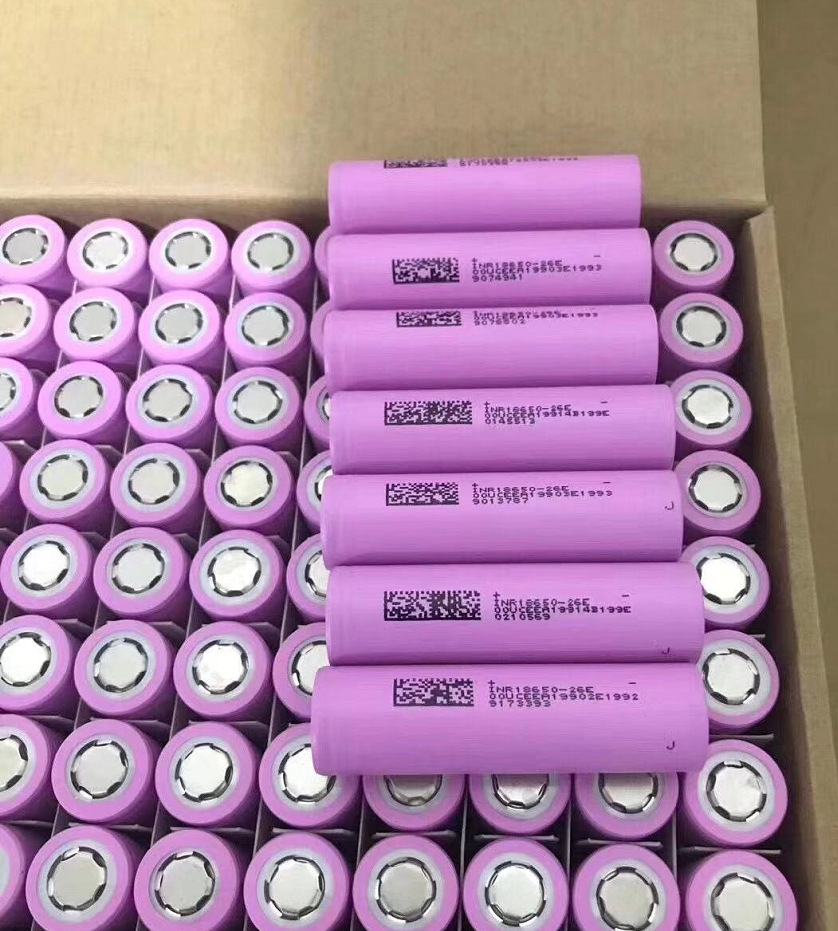
The “18650” designation refers to the cell’s dimensions: 18mm in diameter and 65mm in length. While this format is ubiquitous, the internal chemistry determines its application suitability. For electric motorcycles, Lithium Iron Phosphate (LiFePO4) is rapidly becoming the gold standard, superseding traditional Lithium Nickel Manganese Cobalt Oxide (NMC) in many heavy-duty applications.
1. The Science of Thermal Runaway Prevention
Electric motorcycles generate significant heat during operation, especially under heavy loads or fast charging. The crystal structure of LFP cells is inherently more stable than NMC.
- Oxygen Bonding: In LFP cells, the oxygen atoms are strongly bonded within the phosphate polyanion structure. Even under extreme overheating or physical damage, this structure does not decompose easily to release oxygen.
- High Decomposition Temperature: LFP cells typically have a thermal decomposition temperature above 500°C (932°F), whereas NMC cells can begin to decompose at temperatures as low as 200°C (392°F).
This fundamental chemical difference translates to a virtually zero risk of thermal runaway, a critical safety factor for vehicles where the battery pack is often exposed to road debris and high ambient temperatures.
2. Unmatched Cycle Life and Fade Resistance
The title of this article highlights “High Minimal Capacity Fade Performance.” This is the core value proposition of LFP technology.
- Deep Cycle Tolerance: Standard NMC 18650 cells are excellent for consumer electronics (laptops, vapes) where the discharge is shallow. However, for e-motorcycles, which require deep discharges (DoD), NMC degrades rapidly.
- Longevity Metrics: A high-grade 18650 LFP cell can achieve over 2,000 to 3,000 full charge-discharge cycles while retaining 80% of its original capacity. In contrast, a standard NMC cell might only manage 500-800 cycles under the same deep-discharge stress.
Technical Insight: The flat voltage discharge curve of LFP cells (maintaining ~3.2V for most of the discharge) also simplifies Battery Management System (BMS) design, as voltage sag under load is minimized compared to lead-acid or some NMC variants.
Bulk Sourcing Considerations: Engineering vs. Procurement
When purchasing in bulk for electric motorcycle assembly, it is crucial to look beyond the spec sheet headline numbers. Here is a technical checklist for evaluating 18650 LFP cells:
A. Volumetric Efficiency in Pack Design
The 18650 format offers a near-perfect balance of energy density and structural integrity. For motorcycle manufacturers, this means:
- Mechanical Robustness: The cylindrical steel can provides excellent resistance to crushing forces, protecting the internal jellyroll.
- Thermal Management: The uniform cylindrical shape allows for predictable airflow or liquid cooling channel design around the cells.
B. Internal Resistance and Power Delivery
While LFP is famous for longevity, early iterations suffered from lower power density. Modern high-rate LFP cells (often labeled as “Power” variants) utilize advanced conductive coatings and thicker electrodes.
- Continuous Discharge: For electric motorcycles, you need cells capable of sustaining high currents. Look for cells rated for 10C to 15C continuous discharge (e.g., a 3.0Ah cell capable of 30A-45A continuous).
- Pulse Ratings: Ensure the cell can handle the initial torque demand (often 20C-30C pulses) without voltage droop.
C. Consistency is King
This is the primary reason to buy from a certified manufacturer rather than the open market. In a pack containing hundreds of cells wired in series and parallel, cell-to-cell consistency is paramount.
- Sorting (Grading): Professional manufacturers sort cells into tight voltage, capacity, and internal resistance (IR) bins.
- Failure Risk: A single weak cell in a parallel group can cause the entire group to fail prematurely. Buying wholesale from a factory ensures batch traceability and consistent grading.
The CNS Battery Advantage for E-Motorcycle OEMs
At CNS Battery, we specialize in providing high-performance cylindrical battery cells engineered for the rigors of transportation. Our facilities in Zhengzhou, China, are equipped to handle bulk orders for global distributors and OEMs.
1. Our 18650 LFP Portfolio
We offer a range of 18650 cells specifically optimized for the power demands of electric two-wheelers. Our technology focuses on mitigating the historical drawback of LFP (lower energy density) while maintaining its safety benefits.
Key Specifications Comparison:
| Feature | Standard NMC 18650 | CNS 18650 LFP (High Power) | Advantage for E-Motorcycle |
|---|---|---|---|
| Nominal Voltage | 3.6V – 3.7V | 3.2V | Lower voltage requires more cells in series, but safer chemistry. |
| Cycle Life | 500 – 800 Cycles | 2,000+ Cycles | Guaranteed Longevity; Reduced warranty claims. |
| Thermal Stability | Moderate | Excellent (>500°C) | Safer operation in high-ambient environments. |
| Continuous Discharge | 5C – 10C | 10C – 15C | Sustained high-speed performance without overheating. |
| Self-Discharge | Low | Very Low | Longer shelf life for inventory/storage. |
2. Customization for Performance
We understand that not all electric motorcycles are the same. Our R&D team works directly with OEMs to customize solutions:
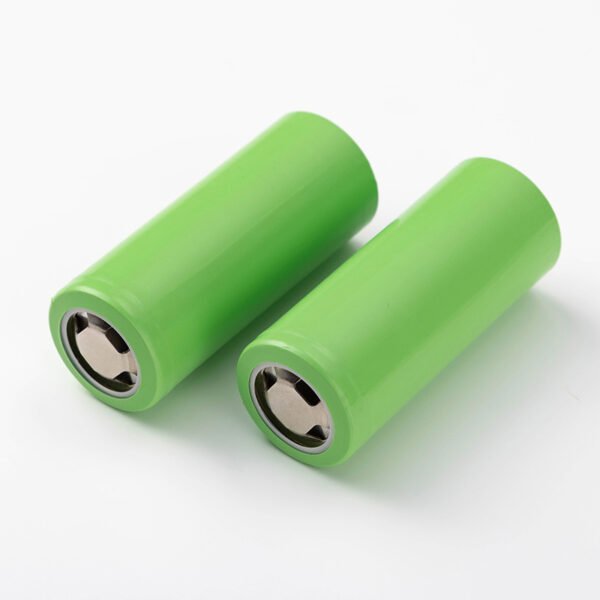
- Tailored Form Factors: While 18650 is standard, we also support 21700 formats for higher energy density.
- Discharge Profiles: We can adjust the electrode formulation to prioritize either maximum range (Energy type) or maximum torque (Power type).
Conclusion: Investing in Performance-Grade Cells
Buying “Wholesale 18650 LFP Cells” is not merely a transaction; it is an investment in the reliability of your final product. For electric motorcycles, where safety and range anxiety are primary consumer concerns, choosing a high-minimal-fade LFP chemistry is a strategic decision.
By partnering with a manufacturer that prioritizes automated production and strict quality management, you ensure that every cell in your bulk shipment meets the rigorous standards required for transportation.
Ready to upgrade your e-motorcycle battery packs with high-performance cylindrical cells?
Explore our comprehensive range of Cylindrical Battery Cells designed for the global market, or contact our sales engineers directly for bulk pricing and technical datasheets.
Explore Our Cylindrical Battery Cell Range
For more information on becoming a distinguished global customer, visit our guide on Battery Manufacturers in China.