The Ultimate Guide to 18650 LFP Cells: High Energy Density for E-Bike Manufacturers
In the rapidly evolving landscape of electric mobility, the demand for reliable, high-performance, and safe energy storage solutions has never been greater. For Original Equipment Manufacturers (OEMs) and engineers in the E-bike industry, selecting the right battery chemistry and format is critical to product success. Among the myriad of options available in the market, the 18650 Lithium Iron Phosphate (LFP) cell has emerged as a cornerstone technology. This cylindrical format offers a unique blend of high energy density, exceptional thermal stability, and long cycle life, making it the preferred choice for manufacturers seeking to build durable and efficient electric transportation solutions.
As a seasoned professional in the lithium battery industry, I have witnessed firsthand the transition from traditional lead-acid and early lithium-ion chemistries to the sophisticated, high-energy-density solutions we see today. The 18650 form factor, named for its dimensions (18mm in diameter and 65mm in length), has stood the test of time due to its versatility and robust performance characteristics. When combined with Lithium Iron Phosphate (LiFePO4) chemistry, this cell becomes a powerhouse of safety and longevity.
Understanding the Technology: Why 18650 LFP?
To appreciate the value of an 18650 LFP cell, it is essential to understand the technical synergy between the cylindrical form factor and the LFP chemistry.
The 18650 Advantage:
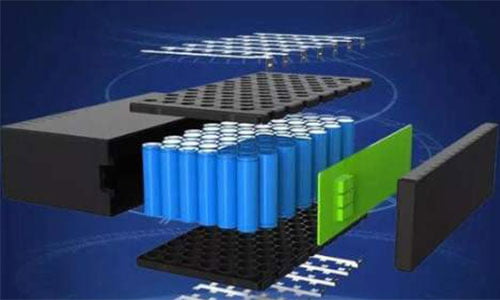
The 18650 battery is one of the most mature and widely produced cylindrical lithium-ion cells in the world. Its compact size allows for flexible module design, enabling manufacturers to create battery packs in various shapes and voltages. The robust steel casing of the 18650 provides excellent mechanical stability, protecting the internal electrodes from physical deformation.
LFP Chemistry: The Safety Champion:
Lithium Iron Phosphate differs significantly from other lithium-ion chemistries, such as NMC (Nickel Manganese Cobalt) or NCA (Nickel Cobalt Aluminum). The key differentiator is the chemical bond strength. The phosphate-oxygen bond in LFP is much stronger than the metal-oxygen bond found in other lithium-ion batteries. This fundamental structural difference translates into several critical benefits:
- Thermal Stability: LFP cells are virtually immune to thermal runaway. They can withstand temperatures up to 600°C before decomposing, compared to around 200°C for cobalt-based batteries. This makes them incredibly safe, even under harsh operating conditions or in the event of a short circuit.
- Long Cycle Life: Thanks to the stable crystal structure of the phosphate cathode, LFP cells can endure thousands of charge and discharge cycles with minimal degradation. While standard lithium-ion batteries might last 500-800 cycles, high-quality LFP cells can exceed 2000 cycles, and some industrial-grade variants can reach 3000-5000 cycles.
- Environmental Friendliness: LFP chemistry contains no rare earth metals or toxic cobalt, making it more environmentally friendly and less susceptible to geopolitical supply chain issues.
Performance Metrics: High Energy Density and Beyond
When sourcing batteries for E-bike production, “High Energy Density” is a term often thrown around, but it is crucial to distinguish between Gravimetric Energy Density (energy per unit of weight) and Volumetric Energy Density (energy per unit of volume).
For E-bike manufacturers, gravimetric energy density is often the primary concern. A higher gravimetric density means a lighter battery pack for the same range, which directly impacts the handling and efficiency of the bicycle. Modern advancements in 18650 LFP technology have pushed the boundaries of this metric.
Key Performance Indicators:
- Nominal Voltage: 3.2V (slightly lower than the 3.6V-3.7V of NMC cells, but this contributes to stability).
- Energy Density: Advanced manufacturing techniques have allowed LFP cells to achieve energy densities rivaling some NMC cells, often ranging from 90 Wh/kg to 140 Wh/kg for the latest formulations.
- Discharge Efficiency: LFP cells maintain a very flat voltage curve throughout the discharge cycle. This means your E-bike motor receives consistent power from full charge to near depletion, preventing the “voltage sag” that can cause performance drops in other battery types.
Comparison: LFP vs. Traditional Lithium-Ion for E-bikes
| Feature | Lithium Iron Phosphate (LFP) | Traditional Lithium-Ion (NMC/NCM) |
|---|---|---|
| Cycle Life | 2000 – 5000+ cycles | 500 – 1000 cycles |
| Thermal Runaway | > 600°C (Very Safe) | ~ 200°C (Risk of Fire) |
| Raw Materials | Iron & Phosphate (Abundant) | Cobalt & Nickel (Expensive/Rare) |
| Voltage Curve | Flat (Consistent Power) | Steep (Power Drops as Drains) |
| Best For | Long-term ownership, safety-critical apps | High specific energy, weight-sensitive apps |
Application in E-Bike Manufacturing: Engineering for Success
For factory owners and technical procurement managers, integrating 18650 LFP cells into your production line is not just about buying cells; it is about investing in a reliable supply chain.
1. Safety is Non-Negotiable:
E-bikes are subject to vibrations, weather changes, and potential impacts. The incombustible nature of LFP chemistry means that even if a cell is punctured or overcharged, it will not catch fire. This provides immense peace of mind regarding product liability and end-user safety.
2. Total Cost of Ownership (TCO):
While the upfront cost of LFP cells might be slightly higher than lead-acid or some lower-grade lithium cells, the Total Cost of Ownership is significantly lower. With a lifespan of 5-10 years (compared to 1-3 years for lead-acid), the cost per cycle is a fraction of the alternatives. This makes your E-bike a more attractive investment for the consumer.
3. Customization and Scalability:
The modular nature of the 18650 cell allows for infinite configuration possibilities. Whether you need a compact 36V 10Ah pack for a city commuter or a massive 72V 50Ah pack for an off-road beast, the 18650 format scales seamlessly. Furthermore, the availability of automated production lines for spot welding and assembling 18650 packs makes them ideal for high-volume manufacturing.
Partnering with a Reliable Manufacturer
Sourcing high-quality 18650 LFP Cells in bulk requires a partnership with a manufacturer that understands the nuances of industrial battery production. It is not enough to simply have cells that meet specifications on paper; they must perform consistently in the field.
A reputable battery manufacturer should offer:
- Stringent Quality Control: Every cell should undergo 100% testing for voltage, internal resistance, and capacity. Consistency in these parameters is vital for the longevity of the battery pack.
- Customization Capabilities: Every E-bike design is unique. A good partner will offer customization services, from tailored Battery Management Systems (BMS) to specific connector types and labeling.
- Technical Support: As an engineer, you need a partner who can speak your language. This includes providing detailed datasheets, assisting with thermal management design, and helping to select the optimal cell for your specific voltage and current requirements.
Conclusion:
The 18650 LFP cell represents the pinnacle of safe, durable, and high-energy-density storage for the modern E-bike industry. By choosing this technology, manufacturers are not only building a better product but also establishing a reputation for reliability and safety.
If you are looking to buy wholesale 18650 LFP cells for your factory, it is essential to partner with a manufacturer that prioritizes engineering excellence and quality. We invite you to explore our comprehensive range of cylindrical battery cells and customizable solutions designed for the global market.
Ready to elevate your E-bike production with high-performance batteries?
- Explore our full range of Cylindrical Battery Cells: https://cnsbattery.com/products-3/cylindrical-battery-cell/
- Learn more about our manufacturing capabilities: https://cnsbattery.com/battery-manufacturers-in-china/
- Contact our sales team for a direct factory quote: https://cnsbattery.com/contact-2/