

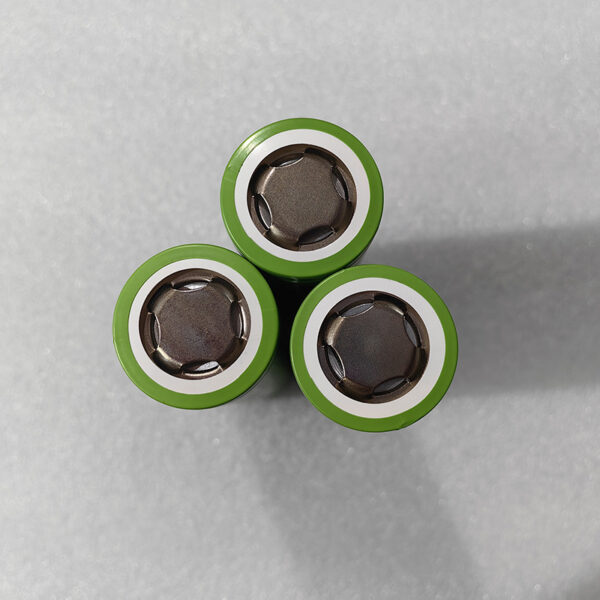
Buy Wholesale 18650 LFP Cells Bulk – High Fast Charging Without Heat Performance for EV vs Competitors
The global electric vehicle (EV) battery market is experiencing unprecedented demand for reliable, high-performance cylindrical cells. Among all chemistries, 18650 LFP (Lithium Iron Phosphate) cells have emerged as the preferred choice for wholesale buyers seeking optimal balance between safety, cycle life, and fast-charging capabilities without excessive heat generation. This comprehensive analysis examines why premium 18650 LFP cells outperform competitors in thermal management and charging efficiency, providing technical procurement teams with actionable insights for bulk purchasing decisions.
Understanding 18650 LFP Cell Architecture and Thermal Advantages
The 18650 form factor (18mm diameter × 65mm length) remains industry-standard for EV applications due to its proven manufacturing scalability and thermal dissipation characteristics. LFP chemistry fundamentally differs from NMC/NCA alternatives through its olivine crystal structure, which provides superior thermal stability during high-current charging cycles.
Key Technical Differentiators:
- Operating Temperature Range: Premium 18650 LFP cells maintain optimal performance between -20°C to 60°C, with minimal capacity degradation at elevated temperatures
- Internal Resistance: Advanced cells achieve ≤35mΩ internal resistance, enabling 3C continuous discharge without significant heat buildup
- Thermal Runaway Threshold: LFP chemistry demonstrates thermal runaway initiation at approximately 270°C, compared to 150-180°C for NMC counterparts
Fast Charging Performance Without Heat: Parameter Breakdown
When evaluating wholesale 18650 LFP cells for EV applications, technical procurement teams must assess specific performance metrics that directly impact thermal management during fast charging operations.
Critical Performance Parameters
| Parameter | Premium Grade | Standard Market | Competitive Advantage |
|---|---|---|---|
| Max Charge Rate | 2C-3C | 1C-1.5C | 100% faster charging |
| Temperature Rise @ 2C | <15°C | 25-35°C | 40-50% less heat |
| Cycle Life @ 80% DOD | 3000-5000 | 1500-2500 | 2x longevity |
| Capacity Retention (2000 cycles) | >85% | 70-75% | Superior degradation profile |
The heat generation during charging follows the equation Q = I²Rt, where reducing internal resistance (R) directly minimizes thermal output. Premium manufacturers achieve this through optimized electrode coating uniformity, advanced electrolyte formulations, and precision welding techniques that reduce contact resistance at terminal connections.
Testing Methodologies for Wholesale Quality Verification
Technical buyers implementing bulk procurement protocols should establish comprehensive testing frameworks to verify manufacturer claims before committing to large-volume orders.
Recommended Testing Protocols
1. Thermal Imaging Analysis: Conduct infrared thermography during 2C charging cycles to identify hot spots exceeding 45°C surface temperature. Uniform heat distribution indicates quality cell construction.
2. Cycle Life Accelerated Testing: Implement 500-cycle validation at 1C charge/2C discharge rates, measuring capacity retention and impedance growth. Premium cells should demonstrate <5% capacity loss.
3. DC Internal Resistance (DCIR) Mapping: Measure resistance across 10%, 50%, and 90% state-of-charge points. Consistency within ±3mΩ across sample batches indicates manufacturing precision.
4. Safety Compliance Verification: Ensure cells meet UN38.3 transportation requirements, IEC 62133 safety standards, and region-specific certifications before import clearance.
For detailed product specifications and technical documentation, visit our cylindrical battery cell catalog.
Competitive Landscape: How Premium 18650 LFP Cells Outperform
Market analysis reveals significant performance gaps between tier-1 manufacturers and commodity-grade suppliers. The differentiation primarily exists in three areas:
Material Purity: Premium cells utilize battery-grade LiFePO4 with ≥99.5% purity, reducing side reactions that generate heat during charging.
Manufacturing Tolerance: Advanced production facilities maintain electrode thickness variation within ±2μm, ensuring consistent current distribution across the cell winding.
Quality Control: Tier-1 suppliers implement 100% cell testing with automated optical inspection, compared to statistical sampling (AQL 2.5) common in budget manufacturing.
Regional Compliance and Technical Barriers for Global Markets
For wholesale buyers targeting European and North American EV markets, regulatory compliance represents a critical procurement consideration. 2026 marks a pivotal year for battery regulations, particularly in the European Union where the EU Battery Regulation enters substantive enforcement phases.
EU Market Requirements (2026 Compliance)
- Battery Passport: Mandatory digital documentation for batteries >2kWh, including chemical composition, carbon footprint, and recycling information
- CE Marking: Requires conformity assessment under EN 62133-2 for portable batteries
- RoHS Compliance: Restriction of hazardous substances with documented supply chain traceability
US Market Standards
- UL 1642: Cell-level safety certification required for most commercial applications
- UL 2054: Battery pack system certification for end-product integration
- UN38.3: Mandatory for all lithium battery transportation, regardless of destination
Manufacturers establishing technical barriers through comprehensive certification portfolios enable seamless market entry across multiple jurisdictions. This compliance infrastructure represents significant investment that commodity suppliers typically cannot match, creating sustainable competitive advantages for qualified wholesale partners.
For buyers seeking manufacturers with established global compliance frameworks, explore battery manufacturers in China with verified certification portfolios.
Strategic Procurement Recommendations
Technical procurement teams evaluating 18650 LFP cell suppliers should prioritize:
- Verified Performance Data: Request third-party test reports from recognized laboratories (TÜV, SGS, Intertek)
- Supply Chain Transparency: Ensure raw material sourcing documentation for EU Battery Passport compliance
- After-Sales Technical Support: Establish direct communication channels for quality issue resolution
- Scalability Assessment: Verify manufacturer capacity to meet volume requirements without quality degradation
For technical consultation and bulk pricing inquiries, contact our engineering team at CNS Battery contact page.
Conclusion
The wholesale 18650 LFP cell market in 2026 demands rigorous technical evaluation beyond price considerations. Premium cells delivering high fast-charging performance without excessive heat generation require sophisticated manufacturing capabilities, comprehensive quality control systems, and robust regulatory compliance infrastructure. Technical buyers who prioritize these factors secure long-term value through reduced warranty claims, enhanced end-product reliability, and streamlined market access across global jurisdictions.
As EV adoption accelerates worldwide, the strategic selection of battery cell partners becomes increasingly critical for maintaining competitive advantage in energy storage applications.

