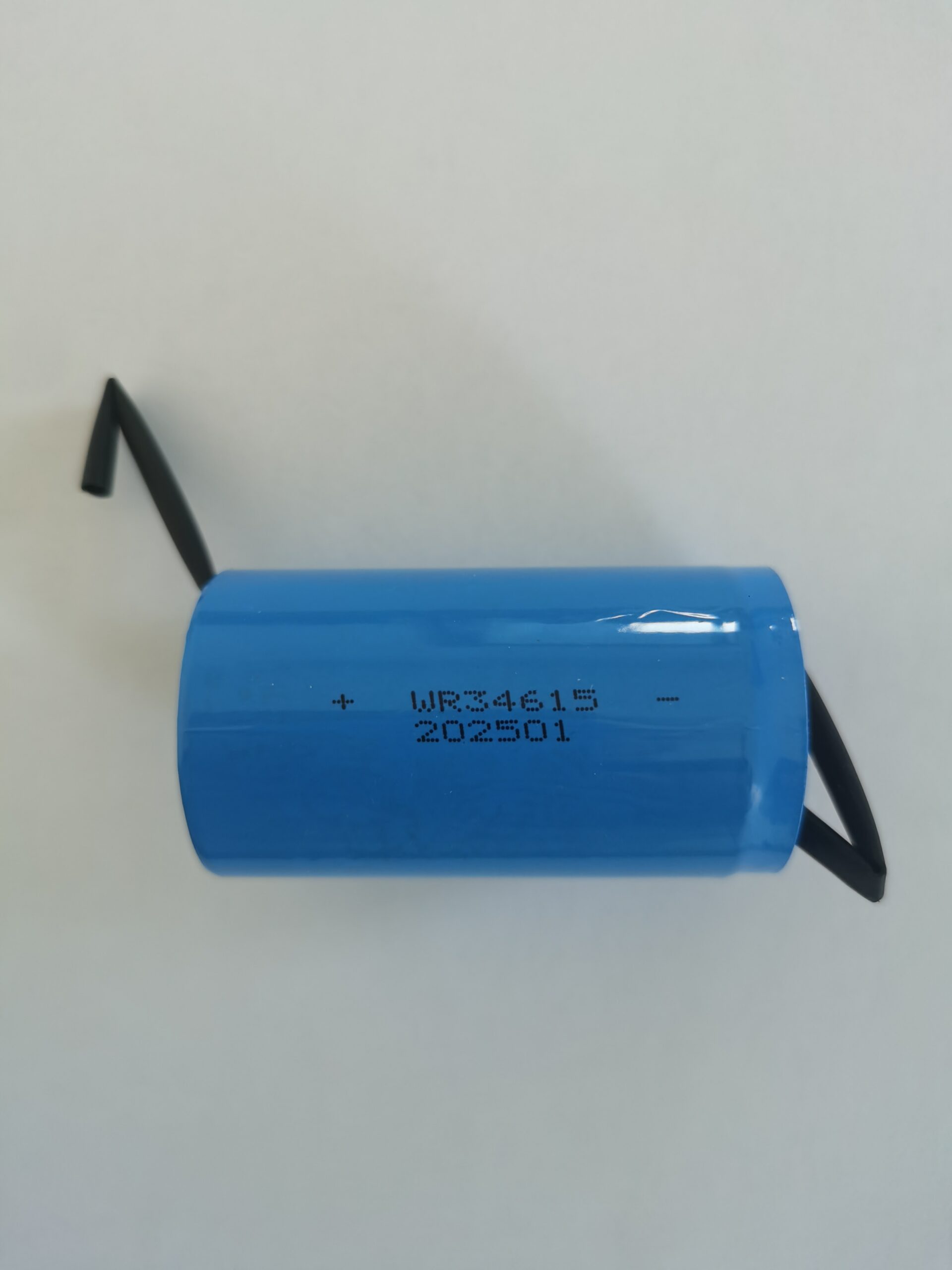
Buy Wholesale 18650 LFP Cells Bulk – High Factory Audit IATF16949 Performance for Medical Devices 2026 Buyer’s Guide
The global medical device industry demands uncompromising reliability from power sources. As we advance into 2026, Lithium Iron Phosphate (LFP) 18650 cylindrical cells have emerged as the preferred choice for medical applications requiring extended cycle life, thermal stability, and regulatory compliance. This comprehensive buyer’s guide addresses wholesale procurement considerations for engineering teams and technical purchasers evaluating bulk LFP cell suppliers.
Understanding 18650 LFP Cell Technology Fundamentals
The 18650 designation refers to cylindrical cell dimensions: 18mm diameter and 65mm length. LFP chemistry utilizes lithium iron phosphate (LiFePO₄) as the cathode material, offering distinct advantages over traditional lithium cobalt oxide variants. The olivine crystal structure provides superior thermal stability, with decomposition temperatures exceeding 270°C compared to 150°C for NMC chemistries.
For medical devices, this translates to enhanced safety margins during operation. The flat discharge voltage plateau around 3.2V ensures consistent power delivery throughout most of the discharge cycle, critical for precision medical instruments requiring stable voltage inputs. Additionally, LFP cells typically achieve 2000-5000 full charge cycles, significantly reducing total cost of ownership for reusable medical equipment.
IATF16949 Certification: Non-Negotiable for Medical Supply Chains
IATF16949 represents the international automotive quality management standard, increasingly adopted by medical device battery manufacturers. This certification demonstrates systematic process control, traceability, and continuous improvement methodologies throughout the production chain.
When evaluating wholesale suppliers, verify IATF16949 certification authenticity through official databases. Certified facilities maintain documented procedures for incoming material inspection, in-process quality control, and final product validation. For medical applications, this ensures batch-to-batch consistency essential for regulatory submissions and device certification processes.
Key audit checkpoints include:
- Statistical Process Control (SPC) implementation
- Failure Mode and Effects Analysis (FMEA) documentation
- Traceability systems linking raw materials to finished cells
- Environmental testing protocols for temperature, humidity, and vibration
Critical Performance Parameters for Medical Device Integration
Technical purchasers must evaluate multiple performance metrics beyond nominal capacity. Operating temperature ranges should accommodate sterilization processes and varied clinical environments. Premium 18650 LFP cells maintain 90%+ capacity retention from -20°C to 60°C ambient conditions.
Internal resistance directly impacts power delivery efficiency and heat generation during high-current applications. Target values below 35mΩ ensure minimal voltage sag during pulse discharge scenarios common in portable medical devices. Self-discharge rates under 3% monthly preserve shelf life for emergency equipment requiring extended storage periods.
Safety certifications including UN38.3, IEC62133, and UL1642 demonstrate compliance with international transportation and usage standards. Medical device manufacturers should request complete test reports rather than certificate summaries alone.
Wholesale Procurement Strategy for 2026
Bulk purchasing decisions require balancing unit cost against total supply chain risk. Established manufacturers with vertical integration capabilities offer better price stability and supply continuity. Evaluate supplier financial health, production capacity reserves, and raw material sourcing strategies before committing to long-term contracts.
Minimum order quantities typically range from 10,000 to 50,000 cells for wholesale pricing tiers. Request pre-production samples for validation testing before scaling orders. Reputable suppliers provide comprehensive documentation packages including material safety data sheets, certification copies, and batch-specific test results.
Lead time considerations extend beyond initial delivery. Assess supplier responsiveness for reorder cycles, emergency supply scenarios, and technical support availability. Time zone alignment and English-language engineering support significantly impact project timelines for international buyers.
Partner Selection and Due Diligence
Thorough supplier evaluation extends beyond certification verification. Factory audit reports should detail production equipment age, clean room classifications, and quality control staffing ratios. Visit facilities when possible or request virtual audit tours demonstrating actual manufacturing conditions.
For comprehensive supplier information and direct manufacturer engagement, explore established battery manufacturers in China at https://cnsbattery.com/battery-manufacturers-in-china/. This resource provides verified manufacturer profiles with production capabilities and certification details.
Product specifications and technical datasheets for 18650 cylindrical cells are available at https://cnsbattery.com/products-3/cylindrical-battery-cell/, enabling detailed performance comparison across different grade options suitable for medical applications.
Conclusion: Building Reliable Medical Power Solutions
The 2026 medical device landscape demands battery suppliers combining technical excellence with regulatory compliance. IATF16949 certified 18650 LFP cells provide the foundation for safe, reliable medical equipment power systems. Wholesale buyers must prioritize supplier transparency, documentation completeness, and long-term partnership potential over initial unit cost savings.
Technical teams should establish clear specification requirements before supplier engagement, including performance thresholds, certification requirements, and testing protocols. This structured approach minimizes qualification delays and ensures consistent supply chain performance throughout product lifecycles.
For direct manufacturer consultation and customized solution development, contact established suppliers through https://cnsbattery.com/contact-2/ to initiate technical discussions and request comprehensive quotation packages aligned with your specific medical device requirements.
Investing time in thorough supplier evaluation today prevents costly redesigns and supply disruptions tomorrow. The medical device industry’s zero-failure expectation makes battery supplier selection one of the most critical decisions in product development processes.