Buy Wholesale 18650 LFP Cells Bulk – High Factory Audit IATF16949 Performance for E-bike 2026 Buyer’s Guide
Introduction
As the global e-mobility market accelerates into 2026, sourcing reliable 18650 LFP (Lithium Iron Phosphate) cells has become critical for e-bike manufacturers and distributors. This comprehensive buyer’s guide addresses wholesale procurement strategies, factory audit requirements, and IATF16949 certification standards essential for B2B buyers seeking high-performance battery solutions.
Why IATF16949 Certification Matters in 2026
IATF16949 represents the international automotive industry’s quality management standard, built upon ISO9001 framework with enhanced requirements for defect prevention, process control, and risk assessment. For e-bike battery suppliers, this certification demonstrates:
- Automotive-grade quality control throughout manufacturing processes
- Traceability systems meeting global regulatory requirements
- Consistent performance across bulk production batches
- Enhanced safety protocols for lithium battery manufacturing
In 2026, buyers increasingly prioritize suppliers with IATF16949 certification as it ensures compliance with stricter international regulations, particularly for markets requiring automotive-level quality standards.
Technical Specifications: 18650 LFP Cell Performance
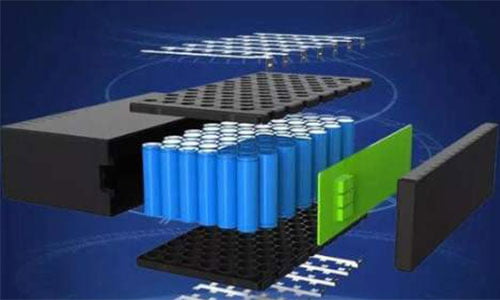
The 18650 cylindrical cell format (18mm diameter × 65mm length) remains the industry standard for e-bike applications due to its proven reliability and cost-effectiveness. Key technical parameters buyers should evaluate include:
| Parameter | Standard Range | Premium Grade |
|---|---|---|
| Nominal Capacity | 2000-3500mAh | 3200-3500mAh |
| Cycle Life | 2000-3000 cycles | 3000-5000 cycles |
| Operating Temperature | -20°C to 60°C | -30°C to 65°C |
| Internal Resistance | ≤50mΩ | ≤35mΩ |
| Self-discharge Rate | ≤3%/month | ≤2%/month |
LFP chemistry offers superior thermal stability compared to NMC alternatives, making it ideal for e-bike applications where safety and longevity outweigh energy density considerations.
2026 Regulatory Compliance Requirements
The regulatory landscape for lithium batteries has intensified significantly in 2026:
EU Battery Regulation: The European Union’s new battery law enters substantive enforcement phase in 2026, requiring battery passports for all industrial and light mobility batteries above 2kWh. This includes digital documentation of chemical composition, manufacturing information, and carbon footprint data.
Transportation Compliance: UN38.3 certification remains mandatory for international shipping, alongside proper packaging and labeling according to IATA/IMDG regulations.
Quality Documentation: Buyers should request complete test reports including IEC62133, UL1642, and CE certification alongside factory audit reports.
Factory Audit Essentials for Bulk Purchasers
When evaluating wholesale suppliers, comprehensive factory audits should verify:
- Production Capacity: Minimum 500,000 cells monthly for reliable bulk supply
- Quality Control Systems: Incoming material inspection, in-process testing, final QC protocols
- Equipment Calibration: Regular maintenance and calibration records for testing equipment
- Environmental Controls: Temperature and humidity-controlled production environments
- Traceability Systems: Batch tracking from raw materials to finished products
Professional buyers should conduct on-site audits or request third-party audit reports before committing to large-volume orders.
E-bike Application Considerations
E-bike battery packs require specific cell characteristics:
- Consistent Capacity Matching: ≤3% variance within pack configurations
- Low Self-discharge: Critical for retail inventory and seasonal demand
- Vibration Resistance: Meeting ISO16750-3 automotive vibration standards
- BMS Compatibility: Cells must work seamlessly with standard battery management systems
For detailed product specifications and available cell options, visit our cylindrical battery cell product page.
Selecting the Right China Battery Manufacturer
China remains the global hub for lithium battery manufacturing, but supplier quality varies significantly. Key selection criteria include:
- Certification Portfolio: IATF16949, ISO9001, ISO14001 minimum requirements
- Export Experience: Proven track record with North American and European markets
- Technical Support: Engineering assistance for pack design and integration
- Warranty Terms: Clear warranty policies covering performance and safety issues
For comprehensive information about qualified battery manufacturers in China, refer to our battery manufacturers guide.
Wholesale Pricing and MOQ Considerations
Bulk purchasing typically offers 15-25% cost reduction compared to standard pricing. However, buyers should balance volume discounts against:
- Inventory carrying costs
- Technology obsolescence risks
- Cash flow requirements
- Quality verification expenses
Standard MOQ for wholesale 18650 LFP cells ranges from 10,000 to 50,000 pieces depending on supplier capabilities and customization requirements.
Conclusion
Sourcing wholesale 18650 LFP cells in 2026 requires careful evaluation of certification standards, technical specifications, and regulatory compliance. IATF16949 certification has become the benchmark for serious e-bike battery suppliers, ensuring automotive-grade quality and traceability.
For professional consultation on bulk battery procurement and factory audit coordination, contact our team through our contact page. Our experienced staff can assist with technical specifications, compliance documentation, and supply chain optimization for your e-bike manufacturing requirements.
This guide reflects 2026 market conditions and regulatory requirements. Specifications and compliance standards may vary by region and application. Always verify current certification status and technical documentation before finalizing purchase agreements.