
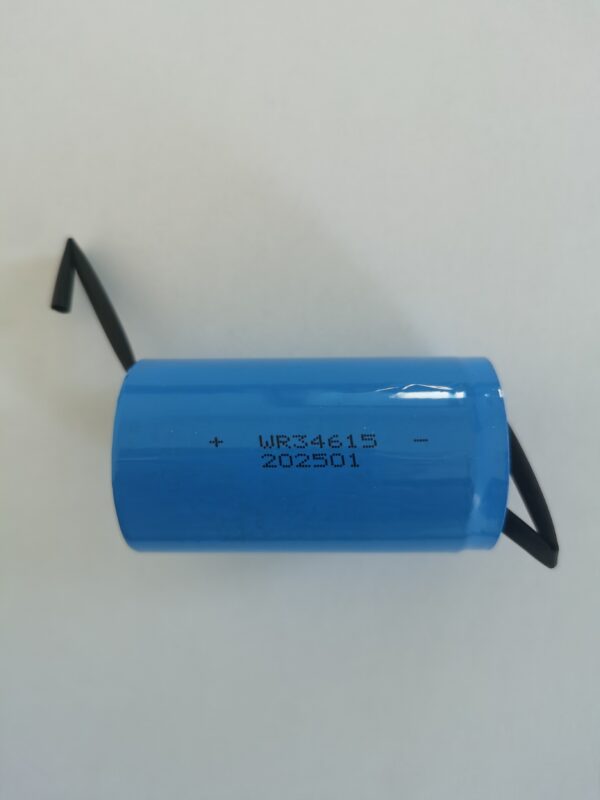
Best Practices for Long-Term Storage of Li-SOCl₂ Batteries
Lithium thionyl chloride (Li-SOCl₂) batteries are renowned for their exceptional energy density, wide operating temperature range, and ultra-long shelf life—making them the power source of choice for critical applications such as smart meters, IoT sensors, medical devices, and military equipment. However, maximizing their performance over extended storage periods requires adherence to specific best practices. This guide provides technical professionals and procurement specialists with actionable insights to ensure optimal battery integrity during long-term storage.
Understanding Li-SOCl₂ Battery Chemistry
Li-SOCl₂ batteries utilize lithium metal as the anode and liquid thionyl chloride as both cathode and electrolyte. This unique configuration enables a nominal voltage of 3.6V and self-discharge rates as low as 1% per year under ideal conditions. The passive lithium chloride layer formed on the anode surface during storage contributes to the battery’s remarkable shelf stability, yet improper storage can compromise this protective layer and accelerate degradation.
Optimal Storage Temperature Conditions
Temperature control is the single most critical factor in Li-SOCl₂ battery preservation. Manufacturers recommend storage temperatures between -20°C to +30°C, with +20°C to +25°C being the ideal range for most applications. Elevated temperatures accelerate chemical reactions within the cell, increasing self-discharge rates and potentially causing pressure buildup. Conversely, extremely low temperatures may affect electrolyte viscosity, though Li-SOCl₂ chemistry remains functional even after exposure to sub-zero conditions.
For warehouse operations, implement continuous temperature monitoring systems with alerts for deviations beyond acceptable thresholds. Avoid storage near heat sources, direct sunlight, or areas subject to thermal cycling.
Humidity and Environmental Control
Maintain relative humidity levels between 30% to 60% in storage facilities. Excessive moisture can corrode battery terminals and compromise sealing integrity, while overly dry conditions may affect packaging materials. Li-SOCl₂ batteries feature hermetic glass-to-metal seals, but prolonged exposure to high humidity environments can still impact external components and labeling.
Ensure storage areas are clean, well-ventilated, and free from corrosive gases or chemicals that could interact with battery casings.
Proper Packaging and Stacking Protocols
Original manufacturer packaging should remain intact until deployment. These packages are designed to provide mechanical protection and maintain environmental barriers. When stacking battery cartons:
- Limit stack height to prevent crushing damage to lower layers
- Use pallets to keep batteries elevated from floor surfaces
- Avoid direct contact between battery terminals and conductive materials
- Implement first-in-first-out (FIFO) inventory rotation
For bulk storage, consider moisture-barrier bags with desiccant packs for additional protection in challenging environments.
Shelf Life Management and Date Tracking
While Li-SOCl₂ batteries typically offer 10 to 15 years of shelf life under proper conditions, systematic date tracking ensures optimal performance. Label all storage containers with manufacturing dates and implement inventory management software to monitor aging stock.
Before deployment of batteries stored beyond 5 years, conduct sample testing to verify voltage and capacity specifications meet application requirements.
Safety Considerations During Storage
Although Li-SOCl₂ batteries are inherently stable, observe these safety protocols:
- Store away from flammable materials despite low fire risk
- Keep batteries separate from rechargeable lithium-ion systems
- Ensure storage areas comply with local hazardous material regulations
- Train personnel on proper handling procedures and emergency responses
Never store damaged or swollen batteries with healthy inventory— isolate and dispose of them according to regulatory guidelines.
Pre-Deployment Verification
Before integrating stored batteries into devices, perform voltage checks on sample units. Healthy Li-SOCl₂ cells should maintain voltage within 5% of nominal specifications after extended storage. Allow batteries to stabilize at room temperature for 24 hours before testing if previously stored in cold conditions.
Conclusion
Proper long-term storage of Li-SOCl₂ batteries protects your investment and ensures reliable performance when deployed. By controlling temperature, humidity, and handling protocols, technical teams can maximize the inherent advantages of this chemistry. For detailed product specifications and technical support, explore our comprehensive primary battery solutions.
Questions about storage requirements for specific applications? Our engineering team is ready to assist—contact us today for personalized guidance on your lithium battery storage strategy.
Word Count: Approximately 850 words
