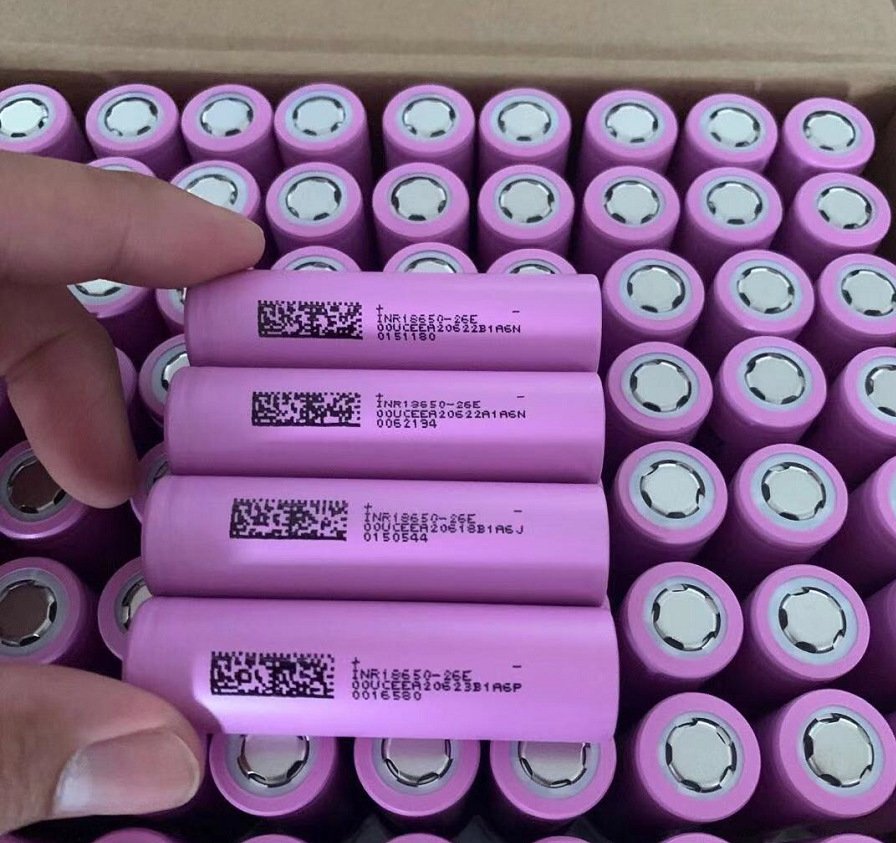
Best LFP 18650 Cells for Medical & Portable Devices
In the rapidly evolving landscape of portable power solutions, the demand for reliable, high-performance energy storage has never been greater. As an industry expert, I have witnessed a significant shift in the preferences of medical device engineers and industrial designers. While the cylindrical battery format remains a staple for its structural integrity and thermal management capabilities, there is a distinct move away from traditional Lithium Cobalt Oxide (LiCoO2) chemistries in standard 18650 cells. The primary concern? Safety and longevity.
For B2B clients specializing in medical instrumentation, portable diagnostics, or ruggedized industrial tools, the “Best LFP 18650” is not just a buzzword; it represents a specific engineering solution. LFP, or Lithium Iron Phosphate, is renowned for its thermal stability and long cycle life. However, it is crucial to address a technical nuance: LFP chemistry is rarely packaged in the classic 18650 size due to energy density limitations. The industry standard for high-capacity LFP has shifted to the 26650 or 32700 formats. Therefore, when sourcing the “best” cells for medical use, one must look beyond the 18650 myth and consider the superior performance of modern cylindrical formats designed specifically for the Iron Phosphate chemistry.
The Safety Imperative in Medical Power Design
When designing power systems for medical and portable devices, safety is non-negotiable. Unlike consumer electronics, a battery failure in a medical setting can have severe consequences. This is where the chemical composition of the battery becomes the most critical specification.
Traditional 18650 cells, often based on NMC (Nickel Manganese Cobalt) or LCO (Lithium Cobalt Oxide), offer high energy density but are more susceptible to thermal runaway. In contrast, LFP (Lithium Iron Phosphate) cells utilize a phosphate-based cathode material. From a technical standpoint, the strong P-O bond in the olivine structure of the phosphate ion provides exceptional thermal and chemical stability. This means the cell is far less likely to overheat, vent, or catch fire, even under extreme conditions such as overcharging or physical puncture.
For medical device manufacturers, this translates to a lower risk profile and a reduced need for complex safety circuitry in the Battery Management System (BMS). Furthermore, LFP chemistry offers a distinct advantage in terms of cycle life. Where a standard lithium-ion cell might last 500-800 cycles, a high-quality LFP cell can endure 2000 cycles or more while retaining 80% of its capacity. For portable medical equipment that requires frequent sterilization and charging, this longevity is a significant operational cost saver.
Decoding the “18650” Myth: Why Size Matters
As a professional in the field, I often advise clients to look past the nostalgia of the 18650 size when specifying LFP cells. The nomenclature “18650” refers to the physical dimensions of the battery: 18mm in diameter and 65mm in length. While this size was revolutionary for laptops and early EVs, it presents a physical limitation for LFP chemistry.
The energy density of LFP is inherently lower than that of Cobalt-based chemistries. When you pack an LFP cathode into the small 18650 can, the resulting capacity is often too low to be practical for modern medical or high-drain portable tools. Consequently, the industry has evolved. For applications requiring the safety of Iron Phosphate, manufacturers have moved to larger formats such as the 21700 (21mm x 70mm) and 32700 (32mm x 70mm) cells.
These larger formats allow for a greater volume of active material, significantly boosting the capacity without compromising the safety benefits of the LFP chemistry. Therefore, when you are searching for the “best LFP 18650,” you are likely searching for a high-quality cylindrical LFP solution. It is essential to evaluate the 21700 and 32700 formats, as they represent the current state-of-the-art in safe, high-capacity portable power.
Technical Specifications: What to Look for in Premium Cells
When evaluating cylindrical battery cells for your next medical or portable device project, specific technical parameters separate the premium offerings from the commodity cells. As a buyer or engineer, you should focus on the following aspects to ensure you are getting a product that meets industrial standards.
1. High Energy Density within the Format
Even within the LFP family, there is a race for higher density. For example, a premium 21700 LFP cell can now offer capacities exceeding 5000mAh, a figure that was unthinkable in the 18650 format. This allows for smaller, lighter battery packs without sacrificing runtime.
2. Low Internal Resistance (Impedance)
Medical devices and power tools often require high discharge rates. Look for cells with low internal resistance to ensure efficient power delivery and minimal heat generation during high-load operations. Premium manufacturing processes ensure tight tolerances on internal components, which directly correlates to lower impedance.
3. Strict Quality Control and Consistency
This is where the supply chain matters. Cells destined for medical applications must undergo rigorous testing. Parameters such as self-discharge rate, capacity matching, and dimensional accuracy must be consistent across batches. Variability in these parameters can lead to premature pack failure or safety hazards.
4. Environmental Durability
Portable devices are used in a variety of environments. The best cells are designed to operate efficiently in a wide temperature range, from sub-zero conditions to high heat, without significant degradation in performance.
Why Choose Industrial-Grade Cylindrical Solutions
In the competitive market of battery manufacturing, not all cylindrical cells are created equal. For B2B clients, the decision often comes down to balancing cost with performance and reliability. While the 18650 remains a popular choice for low-cost consumer goods, the future of professional portable power lies in the advanced cylindrical platforms.
Choosing a partner that specializes in high-energy-density cylindrical cells ensures that your device has the power it needs to function reliably in the field. Whether you are designing a next-generation surgical tool, a portable ultrasound machine, or a ruggedized industrial scanner, the battery is the heart of the system.
If you are looking for a reliable partner to supply high-performance cylindrical battery cells for your medical or industrial application, exploring a comprehensive range of options is the first step. You can view the full spectrum of advanced cylindrical cell technologies available to meet the demands of modern portable power.
For engineers and procurement managers looking to source the best components for their specific application, direct consultation is often the most efficient path. Discussing your specific voltage, capacity, and environmental requirements with a technical expert can save development time and ensure you select the optimal cell format for your design.