Best 18650 Lithium Battery for Power Tools 2026 – High Discharge Rate vs Competitors Buyer’s Guide
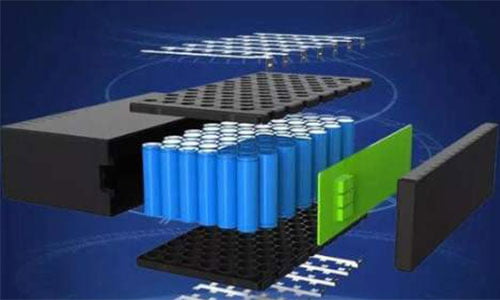
The power tool industry continues to rely heavily on 18650 lithium battery technology in 2026, despite the emergence of larger format cells. For B2B buyers and manufacturers, selecting the right high-discharge 18650 battery remains critical for product performance, safety, and market competitiveness. This guide provides professional insights into the latest developments and key selection criteria.
Why 18650 Batteries Still Dominate Power Tools in 2026
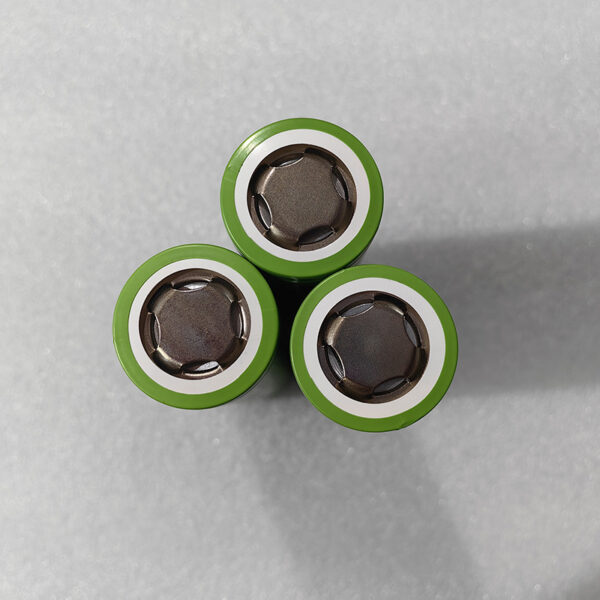
While 21700 cells offer approximately 47% more volume, 18650 batteries maintain their position in power tools due to mature manufacturing processes, cost efficiency, and proven reliability. The standardized 18mm diameter and 65mm length provide optimal balance between energy density and thermal management for handheld equipment.
Recent innovations have significantly enhanced 18650 performance. Samsung SDI’s 25U-Power, winner of CES 2026’s “Best of Innovation” award, demonstrates 150W continuous discharge capability—double that of traditional 18650 cells. This breakthrough proves the format still has substantial room for advancement.
Critical Technical Parameters for Power Tool Applications
Discharge Rate (C-Rating)
Professional power tools require minimum 10C continuous discharge, with peak demands reaching 15-20C during high-torque operations. Cells below 8C should be avoided for commercial-grade equipment.
Internal Resistance
Lower internal resistance directly correlates with reduced heat generation and improved efficiency. Premium 18650 cells for power tools should maintain resistance below 15mΩ at room temperature.
Thermal Stability
Operating temperature ranges of -20°C to 60°C are essential for global market deployment. High-nickel NCA cathodes combined with advanced separator technology provide optimal thermal performance.
Cycle Life
Commercial power tool batteries must deliver minimum 500 full cycles while maintaining 80% capacity. Premium manufacturers now achieve 800-1000 cycles through improved electrode coatings and electrolyte formulations.
Leading Manufacturers Comparison 2026
Samsung SDI leads with their 25U-Power technology featuring tab-less design for reduced internal resistance and enhanced heat dissipation. Their silicon-carbon nanocomposite anodes optimize both energy density and cycle performance.
Panasonic maintains excellence in consistency and longevity, with NCR series cells offering superior temperature control for industrial applications requiring extended operational life.
LG Energy Solution provides competitive pricing with wide temperature tolerance, making them suitable for cost-sensitive projects without compromising safety standards.
Chinese Manufacturers including TENPOWER and BAK have emerged as strong competitors, offering 12C+ discharge rates with full-tab technology at competitive price points for bulk procurement.
For manufacturers seeking reliable supply chains, working with established battery manufacturers in China provides access to cost-effective solutions without sacrificing quality standards.
Selection Framework for B2B Buyers
Application-Specific Requirements
- Drills/Drivers: Prioritize discharge rate (10C+) over capacity
- Saws/Grinders: Balance between capacity (2500mAh+) and thermal management
- Outdoor Equipment: Focus on low-temperature performance (-20°C capability)
Quality Verification
Request comprehensive test reports including:
- IEC 62133 certification
- UN 38.3 transportation compliance
- Cycle life data at various discharge rates
- Thermal runaway testing results
Supply Chain Considerations
Evaluate manufacturer capacity, lead times, and quality control systems. Consistent cell matching within batches is crucial for pack assembly efficiency.
Emerging Technologies Impacting 2026 Market
Tab-less Design: Reduces internal resistance by 30-40%, enabling higher continuous discharge without thermal concerns.
Silicon-Composite Anodes: Increase energy density by 15-20% while maintaining cycle life through nano-structuring techniques.
Fast-Charging Capability: New chemistries support 80% charge within 10 minutes, reducing downtime for professional users.
Procurement Recommendations
For volume buyers, establish relationships with multiple qualified suppliers to ensure supply continuity. Request sample cells for independent testing before committing to large orders. Consider total cost of ownership rather than unit price alone—premium cells often deliver better long-term value through extended cycle life and reduced warranty claims.
Professional battery pack manufacturers should evaluate cylindrical battery cell options comprehensively, testing across all operating conditions specific to their end applications.
Conclusion
The 18650 battery format remains highly relevant for power tools in 2026, with continuous innovation addressing historical limitations. High-discharge cells now match or exceed performance of larger formats while maintaining cost and manufacturing advantages. Success lies in selecting appropriate specifications for specific applications and partnering with reputable manufacturers who provide consistent quality and technical support.
For detailed specifications and procurement inquiries, contact qualified suppliers directly through their official channels at https://cnsbattery.com/contact-2/ to ensure authentic products and reliable after-sales support.
The power tool battery market continues evolving, but 18650 technology proves its enduring value through continuous improvement and adaptation to demanding professional applications.