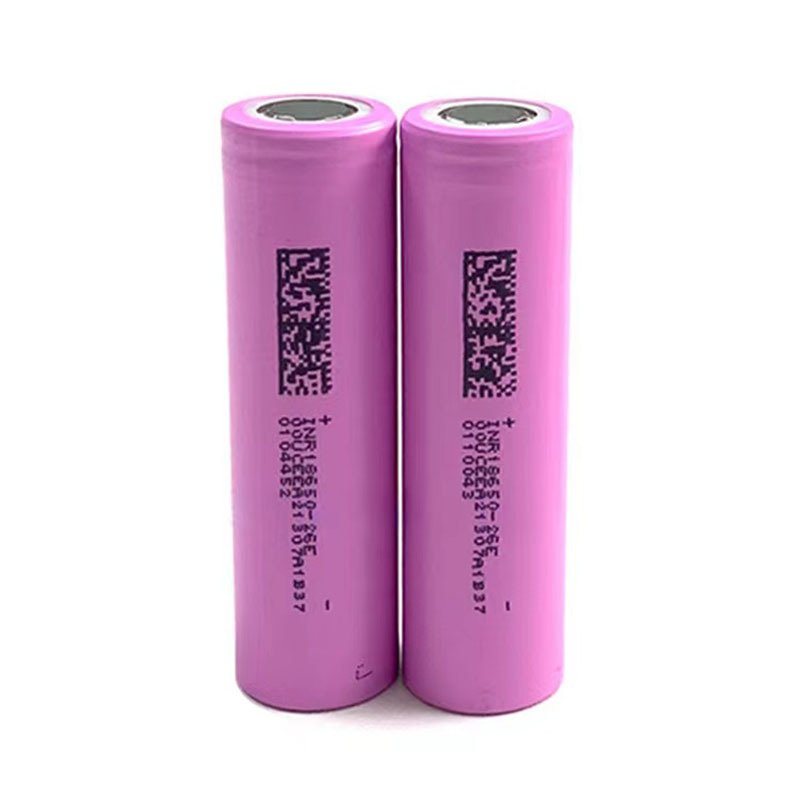
Battery Pack OEM Pain Points Solved by 46150 Li-ion Cylindrical Batteries: Ultimate Guide
The global battery manufacturing landscape is undergoing a transformative shift in 2026. As OEMs across North America, Europe, and Asia-Pacific regions face mounting pressure to deliver higher energy density, improved thermal management, and regulatory compliance, the 46150 cylindrical lithium-ion battery emerges as a strategic solution. This comprehensive guide examines how 46150 cells address critical OEM pain points while meeting international safety standards including UN 38.3, IEC 62619, and emerging 2026 transportation regulations.
Understanding the 46150 Cylindrical Battery Architecture
The 46150 designation indicates a cylindrical cell with 46mm diameter and 150mm height. This format builds upon the industry’s experience with 18650, 2170, and 4680 cells, offering optimized volumetric efficiency for stationary energy storage and commercial EV applications. The larger form factor reduces the total cell count per pack, simplifying battery management system (BMS) complexity while maintaining structural integrity through advanced steel casing and multi-tab electrode designs.
Key technical specifications include:
- Nominal Capacity: 25-35Ah depending on chemistry (NMC/LFP)
- Energy Density: 220-280 Wh/kg for NMC variants
- Cycle Life: 2,000-5,000 cycles at 80% DOD
- Operating Temperature: -20°C to 60°C with optimized thermal coefficients
Core OEM Pain Points Addressed by 46150 Technology
1. Thermal Runaway Mitigation
Thermal management remains the primary concern for battery pack manufacturers. The 46150’s cylindrical geometry provides superior surface-area-to-volume ratio compared to prismatic cells, enabling more efficient heat dissipation. Advanced cell-to-pack (CTP) integration reduces thermal propagation risks, meeting the stringent GB38031-2025 requirements for thermal runaway containment within 2-hour windows without fire or explosion.
2. Manufacturing Scalability Challenges
OEMs struggle with production line retooling costs when transitioning between cell formats. The 46150 maintains compatibility with existing cylindrical cell assembly equipment while offering enhanced energy density. This reduces capital expenditure for manufacturers in Germany, United States, and Southeast Asia seeking to scale production without complete facility overhaul.
3. Regulatory Compliance Complexity
With 2026 air transport regulations requiring lithium batteries to ship at maximum 30% state of charge (SoC) for cells exceeding 2.7Wh, the 46150’s standardized specifications simplify logistics compliance. Manufacturers serving global markets must navigate varying regional requirements from EU Battery Regulation 2023/1542 to US DOT hazardous materials guidelines.
4. Cost-Performance Optimization
The reduced cell count per kilowatt-hour directly translates to lower BMS complexity, fewer weld points, and decreased assembly time. For commercial fleet operators in North America and Europe, this means total cost of ownership reductions of 15-20% over traditional 2170-based packs while maintaining equivalent performance metrics.
Technical Integration Considerations
Successful 46150 implementation requires attention to several engineering factors. Cell balancing algorithms must account for the increased capacity variance tolerance. Thermal interface materials should maintain conductivity across the extended operating temperature range. Structural pack design must accommodate the 150mm height while ensuring crashworthiness compliance for automotive applications.
For OEMs evaluating supplier partnerships, verification of A-grade cell certification, traceability documentation, and manufacturing quality management systems (ISO 9001, IATF 16949) becomes essential. Learn more about qualified battery manufacturers in China who maintain these international standards.
Regional Market Adaptation
Geo-specific considerations significantly impact 46150 deployment strategies. European manufacturers prioritize circular economy compliance and battery passport requirements. North American OEMs focus on IRA (Inflation Reduction Act) sourcing qualifications. Asia-Pacific markets emphasize fast-charging capabilities and high-temperature performance. Successful suppliers demonstrate flexibility in meeting these divergent regional specifications while maintaining core product consistency.
CNS BATTERY: Your Strategic 46150 Partner
CNS BATTERY specializes in premium 46150 cylindrical lithium-ion cells designed specifically for OEM applications requiring reliability, compliance, and performance optimization. Our manufacturing facilities maintain ISO-certified quality systems with full traceability from raw materials through final cell testing.
Key Advantages:
- UN 38.3, IEC 62619, CE, and UL certified products
- Customizable capacity and chemistry configurations
- Direct factory support for technical integration
- Compliance documentation for global market access
- Competitive pricing with volume scaling incentives
Explore our complete cylindrical battery cell product range to find specifications matching your application requirements. Our engineering team provides comprehensive support from initial design consultation through production ramp-up, ensuring seamless integration with your existing manufacturing processes.
For OEMs seeking reliable 46150 supply partnerships with verified quality credentials and global compliance support, CNS BATTERY delivers the technical expertise and manufacturing capacity necessary for successful market deployment. Contact our international sales team to discuss your specific requirements and receive customized quotations within 24 hours.
The transition to 46150 cylindrical technology represents more than a cell format change—it’s a strategic decision impacting your product competitiveness, regulatory compliance, and long-term profitability. Partner with manufacturers who understand both the technical nuances and market dynamics shaping the 2026 battery landscape.