Battery Pack Assembly OEM Pain Points Solved by 18650 NCM Cylindrical Batteries: Low Price, High Quality
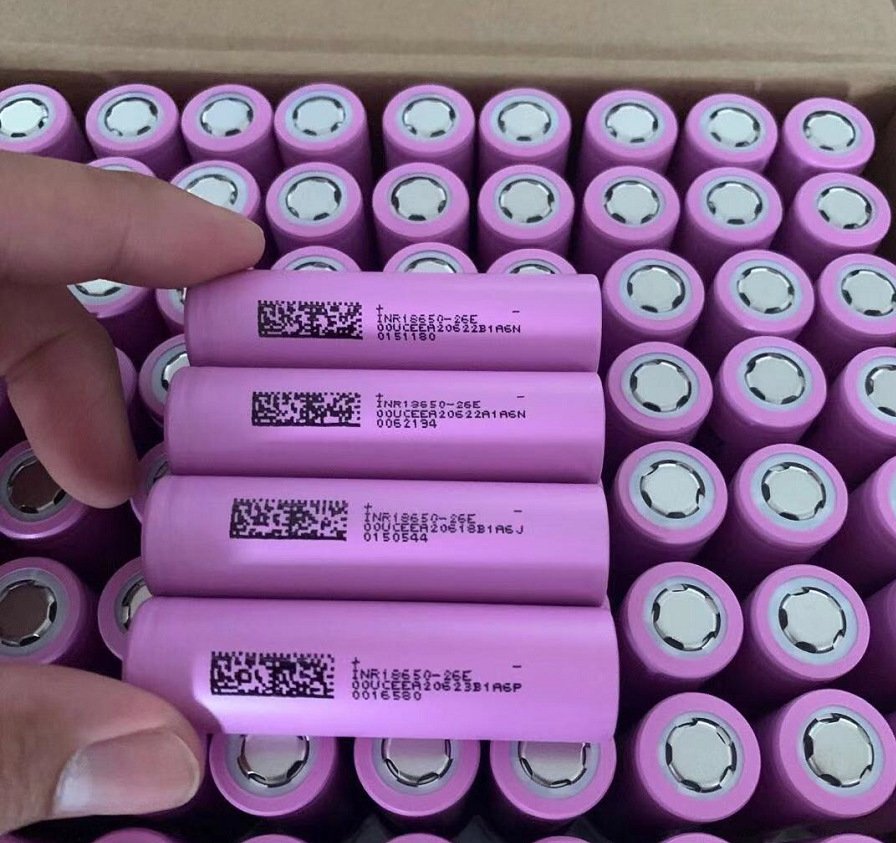
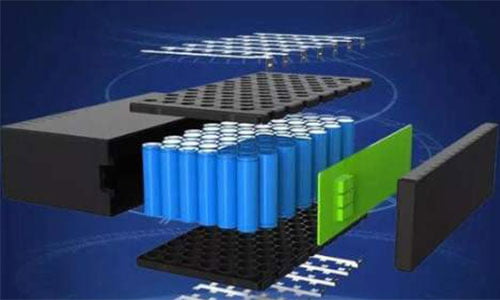
For battery pack assembly OEMs, selecting the right cell technology directly impacts production efficiency, cost structure, and end-product reliability. Among available options, 18650 NCM cylindrical batteries have emerged as a strategic solution addressing critical pain points in modern battery manufacturing. This article examines how these cells deliver competitive advantages through optimized pricing and consistent quality performance.
Core OEM Challenges in Battery Pack Assembly
Battery pack manufacturers face several persistent challenges that affect operational efficiency and profit margins:
Inconsistent Cell Quality: Variations in capacity, internal resistance, and voltage across batches create assembly complications, requiring additional sorting processes and increasing rejection rates.
Supply Chain Volatility: Unreliable delivery schedules and price fluctuations disrupt production planning, forcing OEMs to maintain excessive inventory buffers.
Technical Support Gaps: Limited manufacturer expertise in pack integration leads to extended development cycles and suboptimal BMS compatibility.
Cost-Performance Imbalance: Premium cells exceed budget constraints, while budget alternatives compromise safety and cycle life expectations.
How 18650 NCM Cylindrical Batteries Address These Pain Points
1. Standardized Dimensions Enable Automated Assembly
The 18650 form factor (18mm diameter, 65mm length) represents an industry-standard specification with over two decades of manufacturing refinement. This standardization enables:
- Compatible automated welding equipment across production lines
- Reduced tooling changeover time between projects
- Simplified mechanical design for pack housings
- Established testing protocols for quality verification
OEMs benefit from mature supply chains where cylindrical battery cell specifications remain consistent across production batches, minimizing integration risks.
2. NCM Chemistry Delivers Optimal Energy Density
Nickel-Cobalt-Manganese (NCM) cathode chemistry provides balanced performance characteristics essential for commercial applications:
- Energy Density: 200-250 Wh/kg enables compact pack designs
- Cycle Life: 1,500-2,000 cycles at 80% DOD meets durability requirements
- Operating Temperature: -20°C to 60°C range supports diverse deployment environments
- Voltage Stability: 3.6V nominal voltage simplifies series configuration calculations
This chemistry balance allows OEMs to meet customer specifications without custom cell development expenses.
3. Cost Efficiency Through Manufacturing Scale
18650 NCM cells benefit from established production infrastructure:
- Mature manufacturing processes reduce defect rates below 0.5%
- High-volume production drives unit costs down 15-20% compared to emerging formats
- Standardized testing equipment lowers quality control expenses
- Established recycling channels support sustainability compliance
For OEMs managing tight margins, this cost structure enables competitive pricing while maintaining quality standards.
4. Quality Consistency Through Advanced Manufacturing
Leading manufacturers implement rigorous quality control systems:
- Automated optical inspection for physical defects
- Capacity grading within ±50mAh tolerance per batch
- Internal resistance matching within 5mΩ variance
- Comprehensive aging tests before shipment
These protocols ensure pack-level performance predictability, reducing warranty claims and field failures.
Technical Considerations for OEM Integration
Successful 18650 NCM integration requires attention to several technical parameters:
Cell Matching: Implement capacity and internal resistance sorting before assembly to prevent imbalance issues during operation.
Thermal Management: Design adequate cooling systems considering NCM thermal runaway thresholds around 210-230°C.
BMS Compatibility: Select battery management systems supporting NCM charging profiles (4.2V cutoff, CC-CV charging).
Mechanical Protection: Incorporate vibration dampening and compression management for automotive and industrial applications.
Working with experienced battery manufacturers in China provides access to technical support teams familiar with these integration requirements.
Market Validation and Application Success
The 18650 NCM format has proven reliability across multiple sectors:
- Electric Mobility: E-bikes, scooters, and entry-level EVs utilize this format for cost-effective range solutions
- Energy Storage: Residential and commercial ESS systems leverage established supply chains
- Industrial Equipment: Forklifts, AGVs, and portable tools benefit from standardized replacement availability
- Consumer Electronics: Power tools and outdoor equipment maintain compatibility across product generations
This cross-industry adoption demonstrates the format’s versatility and long-term viability.
Selecting the Right Manufacturing Partner
OEM success depends heavily on manufacturer selection criteria:
Certification Compliance: Verify ISO 9001, IEC 62133, UN 38.3, and relevant regional certifications.
Production Capacity: Assess ability to scale with demand fluctuations without quality degradation.
Technical Support: Evaluate engineering team responsiveness for custom pack development assistance.
Supply Chain Transparency: Request material sourcing documentation for conflict mineral compliance.
Established manufacturers provide comprehensive support from cell selection through final pack validation. For detailed partnership discussions, visit our contact page to connect with technical specialists.
Conclusion: Strategic Advantage Through Proven Technology
18650 NCM cylindrical batteries represent a mature, cost-effective solution for battery pack assembly OEMs facing competitive market pressures. The combination of standardized dimensions, balanced chemistry performance, and established manufacturing infrastructure addresses core pain points around quality consistency, supply reliability, and cost management.
For OEMs evaluating cell technology decisions, the 18650 NCM format offers reduced development risk, faster time-to-market, and predictable lifecycle costs. Partnering with qualified manufacturers ensures access to technical expertise and quality assurance systems necessary for successful pack deployment.
The battery industry continues evolving, but proven technologies like 18650 NCM cells maintain relevance through continuous improvement in manufacturing efficiency and performance optimization. OEMs leveraging this established platform can focus resources on differentiation through pack design and system integration rather than fundamental cell development challenges.