B2B 33135 LiFePO4 Cylindrical Battery Supplier China: Solving High Discharge Rate Challenges for Wholesale Buyers
For global B2B purchasers seeking reliable power solutions, the 33135 LiFePO4 cylindrical battery has emerged as a critical component in high-performance applications. This article provides practical guidance for wholesale buyers evaluating Chinese suppliers, with focus on discharge rates, compliance, MOQ considerations, and procurement best practices.
Understanding 33135 LiFePO4 Cylindrical Cells
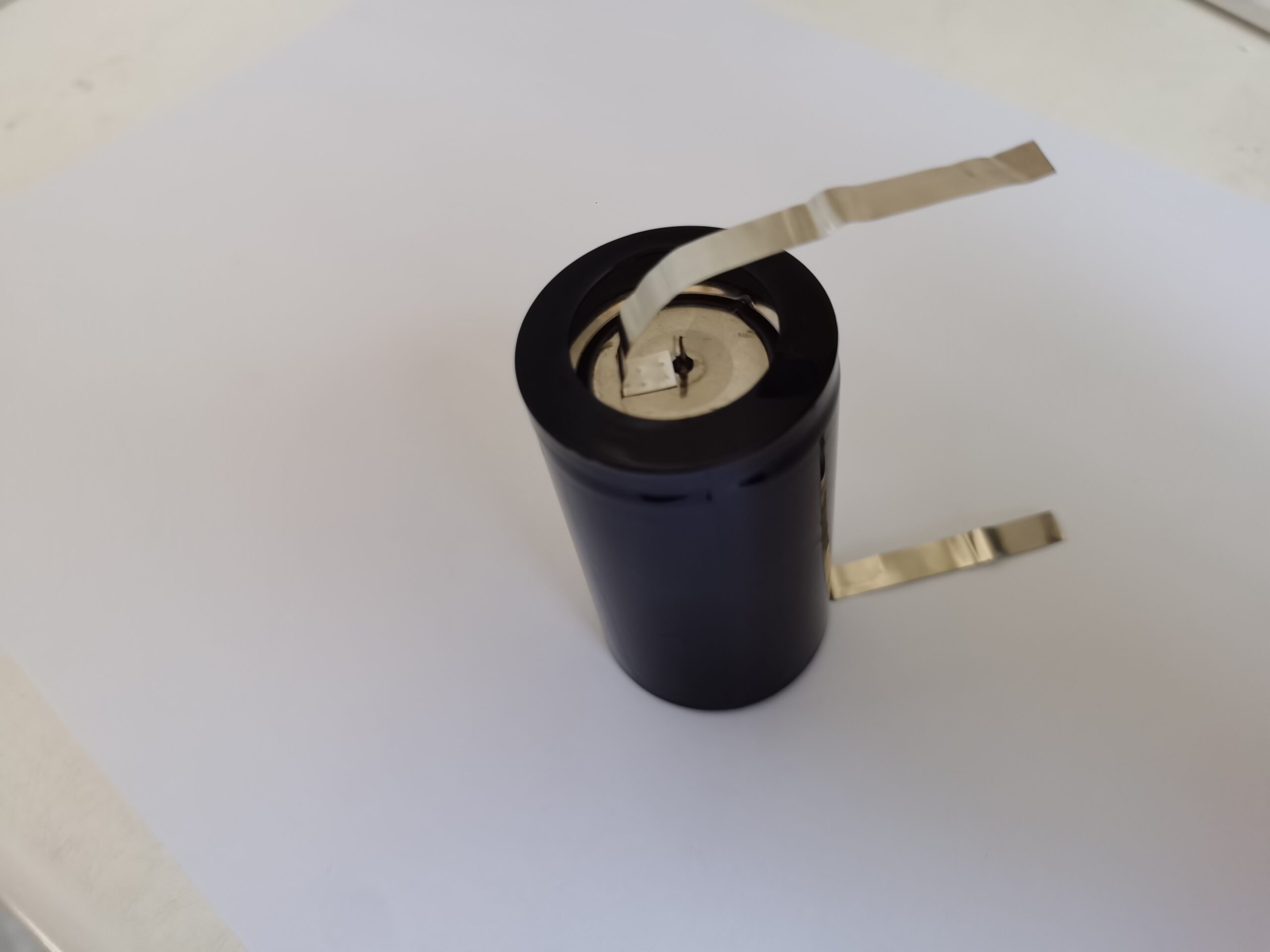
The 33135 designation refers to cylindrical cell dimensions: 33mm diameter and 135mm length. LiFePO4 (Lithium Iron Phosphate) chemistry offers distinct advantages over traditional lithium-ion variants:
- Thermal Stability: LiFePO4 cells maintain structural integrity at elevated temperatures, reducing thermal runaway risks
- Cycle Life: Typically 2,000-5,000 charge cycles at 80% depth of discharge
- Safety Profile: Lower risk of combustion compared to NMC or NCA chemistries
- High Discharge Capability: Modern 33135 cells support continuous discharge rates of 3C-5C, with pulse rates reaching 10C
For applications requiring sustained high current output—such as electric two-wheelers, portable power stations, or industrial equipment—discharge rate performance becomes the primary selection criterion.
Key Technical Considerations for High Discharge Applications
When sourcing 33135 cells for high-drain applications, B2B buyers should verify the following specifications:
| Parameter | Typical Range | Verification Method |
|---|---|---|
| Continuous Discharge | 3C-5C | Request test reports |
| Pulse Discharge | 8C-10C | Review datasheets |
| Operating Temperature | -20°C to 60°C | Validate with supplier |
| Internal Resistance | ≤15mΩ | Third-party testing |
| Capacity Retention | ≥80% after 2000 cycles | Cycle life documentation |
Case Example: A European e-mobility manufacturer required 33135 cells capable of 5C continuous discharge for their cargo bike fleet. After evaluating multiple Chinese suppliers, they selected a partner providing cells with 12mΩ internal resistance and verified UN38.3 certification. The result: 40% reduction in warranty claims and consistent performance across 15,000 deployed units.
Compliance and Certification Requirements
Overseas buyers must ensure suppliers meet international regulatory standards:
- UN38.3: Mandatory for lithium battery transportation
- IEC 62133: Safety requirements for portable applications
- CE/RoHS: European market compliance
- UL 1642: North American safety certification
- MSDS: Material Safety Data Sheet for logistics
Reputable manufacturers maintain complete documentation packages. Request certification copies during the quotation phase to avoid shipment delays at customs.
MOQ and Wholesale Procurement Guidelines
Chinese battery manufacturers typically structure MOQ as follows:
- Sample Orders: 50-100 cells for evaluation
- Small Batch: 1,000-5,000 cells (pilot production)
- Standard MOQ: 10,000+ cells (volume pricing)
- Custom Specifications: 20,000+ cells minimum
Negotiation tips for B2B buyers:
- Request tiered pricing based on annual volume commitments
- Clarify lead times (typically 15-30 days for standard cells)
- Confirm payment terms (30% deposit, 70% before shipment is common)
- Establish quality inspection protocols before final payment
Supplier Evaluation Checklist
Before finalizing partnerships with Chinese battery manufacturers, conduct thorough due diligence:
✓ Verify business license and export credentials
✓ Request factory audit reports or arrange third-party inspection
✓ Review customer references from your target market
✓ Confirm production capacity matches your volume requirements
✓ Assess after-sales support and warranty terms (typically 12-24 months)
✓ Evaluate communication responsiveness and technical support capability
For comprehensive supplier verification, explore established battery manufacturers in China with proven export track records.
Quality Control and Testing Protocols
Professional suppliers implement multi-stage quality control:
- Incoming Material Inspection: Raw material verification before production
- In-Process Testing: Capacity, voltage, and internal resistance checks during manufacturing
- Final QC: 100% cell testing before packaging
- Batch Sampling: AQL 2.5 standard for random sampling
- Aging Test: 7-14 day storage to identify early failures
Request detailed QC reports with each shipment. Third-party testing through SGS, TUV, or Intertek adds an additional verification layer for high-value orders.
Logistics and Shipping Considerations
Lithium batteries classify as Class 9 Dangerous Goods. Ensure your supplier:
- Provides proper UN packaging certification
- Arranges DG-certified freight forwarders
- Supplies complete shipping documentation
- Offers insurance options for high-value shipments
Sea freight remains cost-effective for bulk orders, while air freight suits urgent sample deliveries despite higher costs.
Building Long-Term Supplier Relationships
Successful B2B partnerships extend beyond single transactions. Establish clear communication channels, define quality expectations in writing, and schedule regular performance reviews. Suppliers offering technical support, custom specifications, and flexible MOQ adjustments demonstrate commitment to long-term collaboration.
For detailed product specifications on 33135 cylindrical cells, visit our cylindrical battery cell catalog. To discuss your specific requirements or request quotations, contact us for personalized support from our international sales team.
Conclusion
Selecting the right 33135 LiFePO4 cylindrical battery supplier requires careful evaluation of technical specifications, compliance documentation, MOQ flexibility, and quality assurance processes. By following the procurement guidelines outlined above, B2B buyers can mitigate risks and secure reliable power solutions for high-discharge applications. Chinese manufacturers offering transparent communication, verified certifications, and consistent quality represent optimal partners for global wholesale buyers seeking competitive pricing without compromising performance standards.