

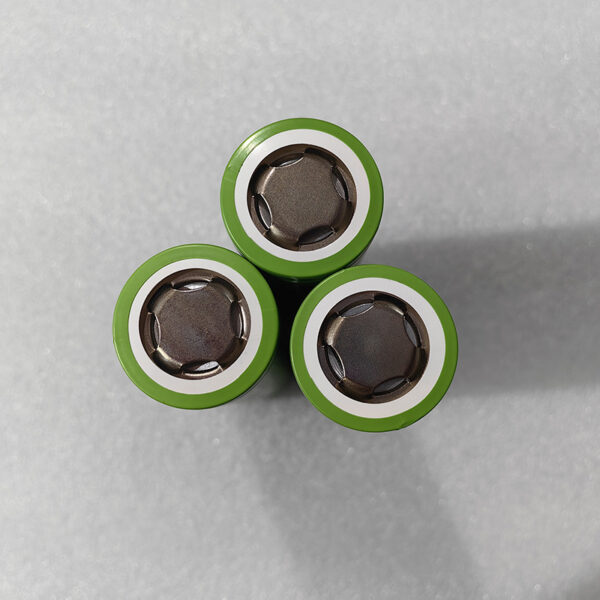
B2B 32150 LFP Cylindrical Battery Supplier China – Solve Thermal Runaway Prevention Today: Top 5 Problems & Solutions
Introduction
As global demand for energy storage systems and electric mobility accelerates, the 32150 LFP (Lithium Iron Phosphate) cylindrical battery has emerged as a critical component for B2B applications. However, thermal runaway remains the industry’s most pressing safety challenge. For procurement managers, engineers, and business decision-makers sourcing from China, understanding thermal runaway prevention is no longer optional—it’s a compliance imperative.
With the new GB38031-2025 safety standard taking effect on July 1, 2026, requiring batteries to demonstrate “no fire, no explosion” under thermal diffusion tests, B2B buyers must partner with suppliers who prioritize safety innovation. This article addresses the top 5 thermal runaway problems and provides actionable solutions for international buyers evaluating Chinese LFP battery suppliers.
Top 5 Thermal Runaway Problems & Practical Solutions
Problem 1: Internal Short Circuit from Manufacturing Defects
Technical Analysis: Microscopic metal particles or separator imperfections during cell production can create internal short circuits, triggering exothermic reactions at temperatures as low as 80°C.
Solution: Implement multi-stage quality control with 100% cell testing before shipment. Leading manufacturers now employ automated optical inspection (AOI) systems combined with electrical performance screening. Each 32150 LFP cell should undergo hundreds of tests covering materials, cell integrity, and module compatibility before leaving the factory.
Case Reference: Major Chinese manufacturers have reduced defect rates below 0.01% through enhanced production line monitoring, meeting international safety certifications including UN38.3 and IEC62619.
Problem 2: Overcharging and BMS Communication Failures
Technical Analysis: Voltage exceeding 3.65V per cell can cause lithium plating and electrolyte decomposition, generating heat faster than dissipation systems can manage.
Solution: Deploy intelligent Battery Management Systems (BMS) with cell-level voltage monitoring and automatic cutoff mechanisms. Advanced BMS now feature real-time communication protocols compatible with international inverter systems, ensuring seamless integration across diverse applications from solar storage to commercial EV fleets.
Procurement Tip: Verify BMS compatibility with your existing infrastructure during the supplier evaluation phase. Request communication protocol documentation and integration support capabilities.
Problem 3: External Heat Exposure and Poor Thermal Management
Technical Analysis: Ambient temperatures above 60°C or proximity to heat sources can initiate thermal propagation between cells, particularly in densely packed battery packs.
Solution: Implement three-tier thermal management: (1) Individual cell cooling channels, (2) Module-level heat dissipation plates, and (3) System-level active cooling with liquid or air circulation. LFP chemistry inherently offers superior thermal stability compared to NMC alternatives, with thermal runaway initiation temperatures approximately 100°C higher.
Technical Specification: Quality 32150 LFP cells maintain stable performance between -20°C to 60°C operating range, with cycle life exceeding 6,000 cycles at 80% depth of discharge.
Problem 4: Mechanical Damage from Transportation and Installation
Technical Analysis: Physical impact can compromise cell casing integrity, leading to electrolyte leakage and internal component exposure.
Solution: Utilize reinforced cylindrical cell designs with steel casings rated for vibration and shock resistance. Packaging must comply with UN38.3 transportation requirements, including drop testing from 1.2 meters and vibration testing simulating 10,000km road transport conditions.
Compliance Note: The 2025 version of China’s power battery safety standard adds bottom impact testing, reflecting real-world accident scenarios. Ensure your supplier meets these enhanced requirements.
Problem 5: Gas Emission During Thermal Events
Technical Analysis: Thermal runaway releases hazardous gases including hydrogen fluoride (HF), carbon monoxide, and organic vapors, creating secondary safety hazards even without fire.
Solution: Advanced manufacturers now incorporate gas adsorption materials within cell designs. Recent research demonstrates flower-like CeO₂ materials effectively capture HF gas during thermal events. Additionally, integrate ventilation systems with gas detection sensors in battery enclosures for commercial installations.
B2B Procurement Checklist for International Buyers
When evaluating Chinese LFP battery suppliers, prioritize these critical factors:
1. Certification Compliance: Verify UN38.3, IEC62619, CE, and UL certifications. For 2026 shipments, confirm GB38031-2025 compliance capability.
2. Technical Documentation: Request complete test reports including thermal runaway propagation tests, cycle life data, and safety validation certificates.
3. Production Capacity: Assess manufacturing scale, quality control systems, and ability to meet your volume requirements with consistent quality.
4. After-Sales Support: Evaluate warranty terms, technical support availability, and replacement policies for international customers.
5. Supply Chain Transparency: Understand raw material sourcing, particularly for lithium iron phosphate cathode materials, ensuring ethical and sustainable procurement practices.
Why Partner with Established Chinese Manufacturers
China dominates global LFP battery production, accounting for over 74% of worldwide installations in 2024. The country’s manufacturing ecosystem offers unmatched scale, cost efficiency, and continuous innovation in safety technologies. However, supplier selection requires due diligence.
Reputable manufacturers invest heavily in R&D, with some allocating over 8% of revenue to safety innovation. This commitment translates to tangible benefits: lower total cost of ownership, reduced warranty claims, and enhanced end-user safety.
For comprehensive product specifications on cylindrical battery cells, visit our Cylindrical Battery Cell Product Page.
Conclusion: Making Informed Procurement Decisions
Thermal runaway prevention is not merely a technical challenge—it’s a business imperative affecting liability, reputation, and long-term partnerships. The 32150 LFP cylindrical battery format offers excellent balance between energy density, safety, and cost-effectiveness for commercial applications.
Key takeaways for B2B buyers:
- Prioritize suppliers with proven thermal management technologies
- Verify compliance with upcoming 2026 safety standards
- Request comprehensive testing documentation before commitment
- Establish clear communication channels for technical support
The battery procurement landscape is evolving rapidly. Partnering with experienced manufacturers who understand international requirements and invest in safety innovation protects your business while delivering value to end customers.
For direct communication with our technical team regarding 32150 LFP cylindrical battery specifications and customization options, please visit our Contact Page.
To learn more about verified battery manufacturers in China and industry best practices, explore our resource center at Battery Manufacturers in China.
This article provides general guidance for B2B battery procurement. Specific technical requirements should be validated through direct supplier consultation and independent testing verification.

