

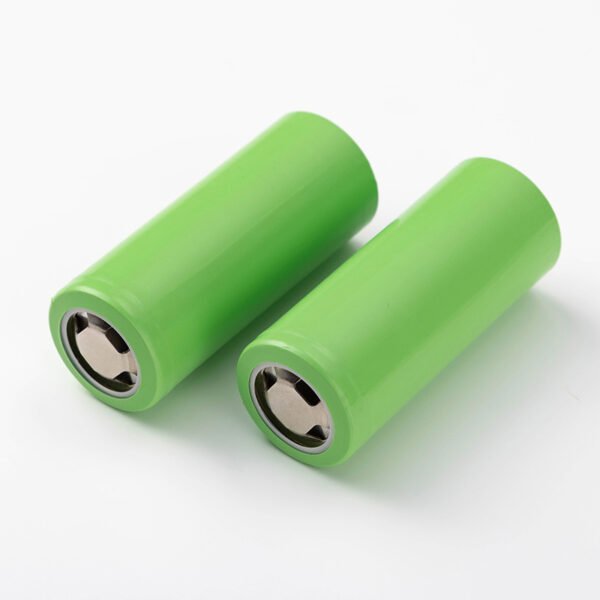
B2B 18650 Li-ion Cylindrical Battery Supplier China – Solve Low Self-Discharge Today Ideal for Manufacturers
Introduction: The Critical Challenge of Self-Discharge in Industrial Battery Procurement
For manufacturers sourcing 18650 lithium-ion cells at scale, self-discharge rate remains one of the most underestimated yet impactful specifications. A battery that loses 3-5% charge monthly versus 1-2% can dramatically affect inventory management, product shelf-life, and end-user satisfaction. As global supply chains evolve in 2026, Chinese B2B battery suppliers have made significant technological advances in addressing this challenge. This article provides technical procurement professionals and engineering teams with actionable insights on selecting low self-discharge 18650 cylindrical cells from verified Chinese manufacturers.
Understanding Self-Discharge: Technical Fundamentals for Engineering Teams
Self-discharge refers to the gradual loss of stored energy in a battery during storage without any external load. For 18650 Li-ion cylindrical cells, this phenomenon occurs through several electrochemical mechanisms:
Primary Causes:
- Electrolyte Decomposition: Side reactions between electrolyte components and electrode materials
- Separator Imperfections: Micro-scale defects allowing internal current leakage
- Cathode Material Instability: Transition metal dissolution in NMC or LCO chemistries
- SEI Layer Evolution: Continuous solid-electrolyte interphase formation consuming active lithium
Industry-standard 18650 cells typically exhibit 2-3% monthly self-discharge at 25°C. Premium low self-discharge variants achieve ≤1.5% through advanced electrode coatings, purified electrolytes, and enhanced separator technology. For manufacturers building products with 12-24 month distribution cycles, this difference translates to 15-30% more usable capacity upon end-user activation.
Key Selection Criteria for B2B Procurement Professionals
1. Chemistry Optimization
Not all 18650 cells are created equal. NMC (Nickel-Manganese-Cobalt) formulations generally offer superior energy density but may exhibit higher self-discharge compared to LFP (Lithium Iron Phosphate) alternatives. However, modern NMC 811 variants with aluminum-doped cathodes have narrowed this gap significantly. Request detailed chemistry specifications from suppliers and verify through independent testing when order volumes exceed 10,000 units.
2. Manufacturing Process Control
Cell-to-cell consistency directly correlates with self-discharge performance. Top-tier Chinese manufacturers implement:
- Dry room environments with dew point ≤-45°C during electrode coating
- Automated winding tension control within ±0.5N tolerance
- 100% OCV (Open Circuit Voltage) screening at 7-day and 28-day intervals
- Statistical process control with Cpk ≥1.67 for critical parameters
These process controls minimize micro-short risks and electrolyte contamination—the two primary accelerators of self-discharge.
3. Certification and Compliance Verification
For export-oriented manufacturers, ensure suppliers maintain current certifications including UN 38.3, IEC 62133, UL 1642, and CE marking. Reputable battery manufacturers in China provide complete test reports from accredited laboratories rather than in-house certificates alone. Request sample batches for third-party validation before committing to production volumes.
Performance Benchmarks: What to Expect in 2026
Based on current industry specifications, qualified low self-discharge 18650 cells should meet these minimum thresholds:
| Parameter | Standard Grade | Premium Low Self-Discharge |
|---|---|---|
| Monthly Self-Discharge (25°C) | 2.5-3.5% | ≤1.5% |
| Capacity Retention (12 months) | 70-80% | ≥85% |
| Cycle Life (80% DOD) | 500-800 | 1000-1500 |
| Operating Temperature | -20°C to 60°C | -30°C to 65°C |
| Impedance Growth (500 cycles) | 40-60% | 20-35% |
These specifications apply to cells with nominal capacity ranging from 2600mAh to 3500mAh at 3.6V-3.7V nominal voltage. Higher capacity variants may show marginally elevated self-discharge due to increased electrode surface area.
Supply Chain Considerations for Global Manufacturers
When evaluating Chinese 18650 suppliers, consider these operational factors beyond technical specifications:
Lead Time Management: Established manufacturers maintain 4-6 week production cycles for standard configurations. Custom specifications requiring modified electrode formulations may extend to 8-10 weeks. Plan procurement accordingly to avoid production delays.
Quality Assurance Protocols: Request access to supplier quality management systems documentation. ISO 9001 certification should be baseline; IATF 16949 indicates automotive-grade process control suitable for high-reliability applications.
Technical Support Availability: Leading suppliers provide application engineering support for pack integration, BMS compatibility verification, and thermal management guidance. This capability proves invaluable during product development phases.
For comprehensive product catalogs featuring verified low self-discharge 18650 variants, review available cylindrical battery cell specifications from established manufacturers. Technical datasheets should include detailed self-discharge curves across temperature ranges, not just single-point values.
Cost-Benefit Analysis: When Premium Cells Justify Investment
Low self-discharge 18650 cells typically command 15-25% price premiums over standard grades. This investment becomes economically justified when:
- Product distribution cycles exceed 6 months from manufacture to end-user activation
- Applications require guaranteed minimum capacity upon unpacking (medical devices, emergency equipment, military specifications)
- Inventory rotation occurs quarterly or less frequently
- Brand reputation depends on consistent out-of-box performance
Conversely, high-turnover consumer electronics with rapid distribution may not realize sufficient ROI from premium cells. Conduct total cost of ownership analysis including warranty claims, customer returns, and inventory write-offs before specification decisions.
Conclusion: Strategic Partnership Over Transactional Purchasing
Selecting the right 18650 Li-ion cylindrical battery supplier extends beyond unit pricing. Manufacturers achieving consistent product quality partner with suppliers demonstrating transparent testing data, responsive technical support, and continuous process improvement. Low self-discharge performance reflects underlying manufacturing excellence—cells achieving ≤1.5% monthly loss typically excel across all reliability metrics.
For procurement teams initiating supplier qualification or seeking alternative sources for existing programs, establish direct communication with verified manufacturers. Request sample batches for application-specific validation and negotiate long-term supply agreements with performance guarantees. Professional contact channels enable technical teams to discuss custom specifications, testing protocols, and volume pricing structures directly with engineering representatives.
The 18650 format remains relevant in 2026 despite emerging cell formats, offering proven reliability, mature supply chains, and extensive compatibility with existing pack designs. By prioritizing low self-discharge specifications and partnering with qualified Chinese manufacturers, global companies can optimize product performance while maintaining competitive cost structures in increasingly demanding markets.

