B2B 18650 LFP Cylindrical Battery Supplier China – Solve Zero Swelling Issues Today: Ultimate Guide
Introduction: The Zero Swelling Challenge in LFP Battery Manufacturing
In the rapidly evolving landscape of industrial energy storage, 18650 LFP cylindrical batteries have emerged as the cornerstone solution for B2B applications ranging from solar energy systems to electric mobility platforms. However, one persistent technical challenge continues to plague procurement engineers and system integrators worldwide: battery swelling. As a leading China-based manufacturer committed to technical excellence, we address this critical issue through advanced cell design, rigorous testing protocols, and compliance with international standards. This guide provides technical professionals with actionable insights into selecting reliable LFP battery suppliers while understanding the underlying science behind zero-swelling performance.
Understanding LFP Chemistry: Why Swelling Occurs and How to Prevent It
Lithium Iron Phosphate (LFP) chemistry inherently offers superior thermal stability compared to NMC or NCA alternatives. The olivine crystal structure of LiFePO₄ provides exceptional structural integrity during charge-discharge cycles, minimizing gas generation—the primary culprit behind cell swelling. However, manufacturing inconsistencies can compromise this advantage.
Key Technical Factors Influencing Swelling:
- Electrolyte Decomposition: Poor-quality electrolytes decompose at elevated temperatures, producing CO₂ and other gases. Premium LFP cells utilize optimized electrolyte formulations with additives that suppress decomposition up to 3.65V charging cutoff.
- SEI Layer Stability: The Solid Electrolyte Interphase must remain stable across 2,000+ cycles. Inconsistent formation processes lead to continuous SEI growth, consuming electrolyte and generating gas.
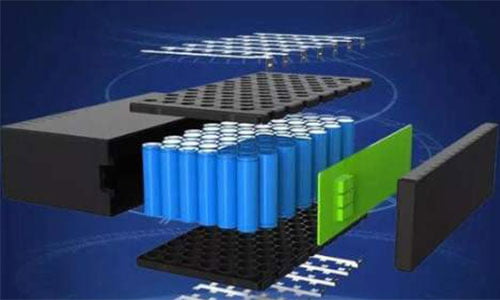
- Mechanical Design: Cylindrical 18650 format (18mm diameter × 65mm length) requires precise winding tension and electrode overhang control. Typical specifications include 1.5mm negative electrode overhang to prevent lithium plating.
- Pressure Management: High-quality cells incorporate pressure-relief vents calibrated to activate only under extreme conditions, maintaining structural integrity during normal operation.
Critical Performance Parameters for B2B Procurement
When evaluating Chinese LFP battery suppliers, technical buyers must verify these essential specifications:
| Parameter | Industry Standard | Premium Grade |
|---|---|---|
| Nominal Capacity | 1500-1600mAh | 1600-1800mAh |
| Nominal Voltage | 3.2V | 3.2V |
| Cycle Life (@80% DOD) | 2,000 cycles | 3,000+ cycles |
| Internal Resistance | ≤35mΩ | ≤25mΩ |
| Operating Temperature | -20°C to 60°C | -30°C to 65°C |
| Self-Discharge Rate | ≤3%/month | ≤2%/month |
For comprehensive product specifications and technical datasheets, visit our cylindrical battery cell catalog.
Testing Methodologies: Validating Zero-Swelling Claims
Reputable manufacturers implement multi-stage validation protocols:
1. Accelerated Aging Tests
Cells undergo 500+ cycles at 45°C with 1C charge/discharge rates. Post-test dimensional analysis must show ≤0.5mm thickness variation.
2. High-Temperature Storage
72-hour storage at 60°C followed by capacity retention measurement. Premium cells maintain ≥95% capacity with zero visible swelling.
3. Overcharge/Overdischarge Testing
Controlled abuse testing verifies vent activation thresholds and prevents catastrophic failure modes.
4. Impedance Spectroscopy
Electrochemical impedance spectroscopy (EIS) tracks SEI growth and electrolyte degradation throughout cycle life.
Geographic Compliance: Meeting EU and US Regulatory Standards
For international B2B transactions, compliance with regional regulations represents a non-negotiable requirement. 2026 marks a pivotal year for battery manufacturers targeting Western markets.
European Union Compliance:
The EU Battery Regulation enters substantive enforcement in 2026, introducing the world’s strictest accessibility barriers. Key requirements include:
- Battery Passport: Mandatory digital identification (QR code) containing chemical composition, manufacturing data, and carbon footprint information
- Carbon Footprint Declaration: Full lifecycle emissions tracking from raw material extraction to end-of-life
- Recyclability Standards: Minimum recycled content requirements (12% cobalt, 85% lead, 4% lithium by 2030)
United States Standards:
US market entry requires adherence to:
- UL 1642: Cell safety standard covering electrical, mechanical, and environmental testing
- UL 2054: Battery pack safety requirements
- UN 38.3: Transportation safety certification mandatory for air freight shipments
Important Notice: Starting January 1, 2026, Amazon and major logistics providers require complete UN 38.3 documentation for all lithium battery shipments. Non-compliant products face air freight restrictions.
Why Choose CNS Battery: Technical Barriers and Regional Adaptability
CNS Battery distinguishes itself through vertically integrated manufacturing capabilities and proactive compliance strategies. Our engineering team maintains continuous dialogue with EU and US certification bodies, ensuring seamless market access for international partners. We understand that technical excellence alone is insufficient—successful B2B partnerships require regulatory fluency, supply chain transparency, and responsive after-sales support.
Our cylindrical LFP cells undergo third-party validation at SGS, TÜV, and UL-certified laboratories, providing documented evidence for your compliance audits. This dual commitment to performance and paperwork eliminates procurement risks for European and American system integrators.
For detailed manufacturer credentials and facility certifications, explore our battery manufacturers in China profile.
Conclusion: Making the Right Supplier Decision
The zero-swelling promise isn’t marketing rhetoric—it’s the result of disciplined engineering, quality raw materials, and comprehensive testing. When selecting a Chinese 18650 LFP supplier, prioritize manufacturers who demonstrate:
- Transparent technical documentation
- Third-party certification records
- Geographic compliance expertise
- Responsive engineering support
Ready to evaluate our capabilities? Contact our technical sales team at CNS Battery Contact for customized quotations and sample requests.
Technical specifications subject to verification. All compliance certifications available upon request for qualified B2B partners.