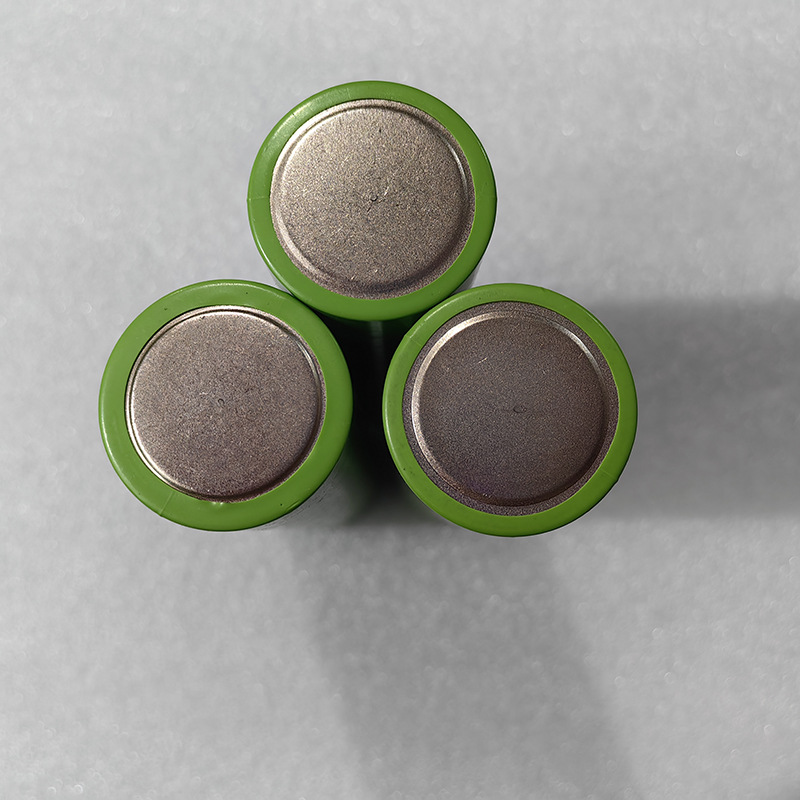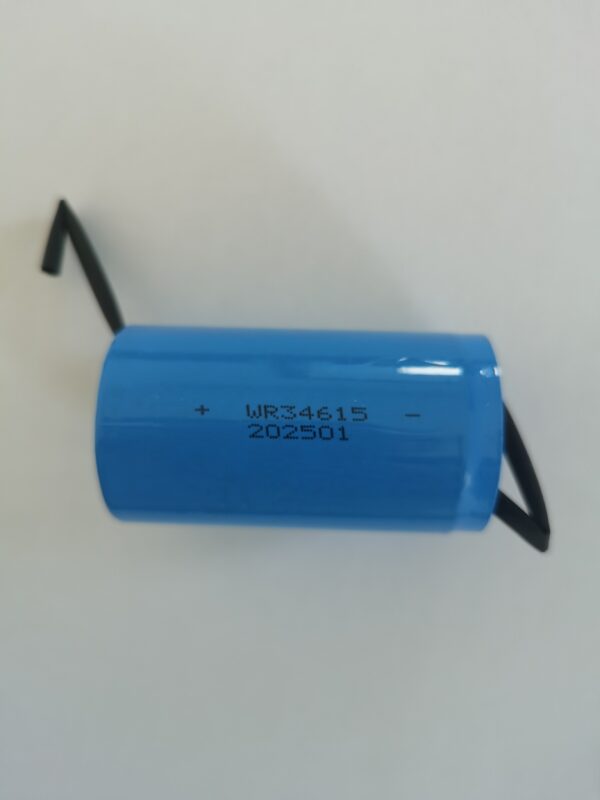
B2B 18650 LFP Cylindrical Battery Supplier China – Solve Sample Test Report Today Top 5 Problems & Solutions
Introduction
In the rapidly evolving landscape of energy storage systems, 18650 LFP (Lithium Iron Phosphate) cylindrical batteries have emerged as a critical component for B2B applications ranging from solar energy storage to electric vehicle power packs. As a leading battery manufacturer based in China, we understand that technical procurement teams and engineering professionals face significant challenges when evaluating sample test reports from potential suppliers. This article addresses the top 5 problems encountered during sample testing and provides actionable solutions based on our decade of manufacturing expertise.
Problem 1: Inconsistent Capacity Ratings Across Sample Batches
Technical Analysis: Capacity variation beyond ±3% indicates poor cell matching and inconsistent electrode coating processes. LFP chemistry typically delivers 1,200-1,500mAh per 18650 cell at 1C discharge rate.
Root Causes:
- Non-uniform slurry mixing during electrode preparation
- Inadequate formation cycling protocols
- Variations in electrolyte filling volume (±0.5g tolerance required)
Solution: Implement statistical process control (SPC) with CpK≥1.33. Request 3-cycle capacity testing at 25°C with 0.5C charge/1C discharge protocols. Our cylindrical battery cell production maintains capacity consistency within ±2% through automated coating systems with ±1μm precision.
Problem 2: Elevated Self-Discharge Rates in Storage Testing
Technical Analysis: LFP cells should demonstrate self-discharge rates below 3% per month at 25°C. Rates exceeding 5% indicate separator defects or electrolyte contamination.
Testing Protocol:
- Store samples at 25°C/50% SOC for 28 days
- Measure OCV drop (should remain above 3.2V)
- Conduct impedance spectroscopy to identify internal resistance anomalies
Solution: Verify supplier uses ceramic-coated separators (12-16μm thickness) and moisture-controlled dry rooms (dew point ≤-45°C). Impedance should remain stable at 35-45mΩ throughout storage period.
Problem 3: Thermal Runaway Threshold Below Specification
Technical Analysis: LFP chemistry offers superior thermal stability compared to NMC, with thermal runaway typically initiating above 270°C. Samples failing below 250°C indicate manufacturing defects.
Critical Test Parameters:
- ARC (Accelerating Rate Calorimetry) testing
- Nail penetration resistance per UN38.3
- Overcharge tolerance up to 2C without venting
Solution: Demand T3 temperature rating certification and review DSC (Differential Scanning Calorimetry) reports. Our manufacturing facilities maintain ISO 9001:2015 certification with full traceability for thermal safety documentation. Connect with our technical team via contact page for detailed safety test reports.
Problem 4: Cycle Life Degradation Exceeding Projections
Technical Analysis: Premium 18650 LFP cells should achieve 2,000+ cycles at 80% DOD with 70% end-of-life capacity retention. Accelerated degradation indicates electrode structure collapse.
Validation Method:
- Conduct 500-cycle accelerated testing at 45°C
- Monitor capacity fade rate (should be ≤0.04% per cycle)
- Analyze post-mortem cell cross-sections for electrode delamination
Solution: Specify carbon-coated LFP cathode material with particle size D50=2-3μm. Ensure formation cycling includes minimum 5 cycles at C/10 rate. Partner with verified battery manufacturers in China who provide cycle life warranties with performance guarantees.
Problem 5: Incomplete Documentation and Certification Gaps
Technical Analysis: B2B procurement requires comprehensive documentation including UN38.3, IEC 62133, CE, and RoHS certifications. Missing documentation creates compliance risks for end products.
Required Documentation Package:
- Material Safety Data Sheet (MSDS)
- Certificate of Compliance (CoC) per batch
- Third-party test reports from SGS/TÜV/UL
- Traceability codes for each production lot
Solution: Establish supplier qualification audits before sample requests. Verify certification validity through issuing authority databases. Request batch-specific test reports rather than generic type certificates.
Conclusion: Partnering with the Right 18650 LFP Supplier
Selecting a reliable 18650 LFP cylindrical battery supplier requires thorough technical evaluation beyond price considerations. The five problems outlined above represent common pitfalls that can be avoided through systematic testing protocols and supplier qualification processes.
At CNS Battery, we combine 15+ years of manufacturing experience with state-of-the-art production equipment to deliver consistent, high-performance LFP cells for global B2B customers. Our technical team provides comprehensive sample testing support, including custom test protocols aligned with your application requirements.
For detailed product specifications, sample requests, or technical consultations, explore our cylindrical battery product range or connect directly through our contact portal. When evaluating Chinese battery suppliers, verify credentials through our battery manufacturers directory to ensure partnership with qualified, certified production facilities.
Technical excellence, consistent quality, and transparent documentation form the foundation of successful B2B battery procurement. Make informed decisions based on comprehensive sample testing and verified supplier capabilities.