The Ultimate Guide to High-Performance 18650 LFP Cylindrical Batteries for Industrial Applications
In the rapidly evolving landscape of industrial energy storage and power solutions, the demand for reliable, high-discharge-rate batteries has never been greater. As a professional lithium battery practitioner, I understand that selecting the right power source is not just about voltage and capacity; it is about ensuring the longevity, safety, and efficiency of your entire system. Among the myriad of options available, the 18650 LFP (Lithium Iron Phosphate) Cylindrical Battery stands out as a benchmark for stability and performance.
While the 18650 form factor is a global standard, the internal chemistry and manufacturing precision dictate the final application’s success. If you are looking to solve high discharge rate requirements for your B2B exports, particularly from China, understanding the nuances between standard consumer cells and industrial-grade solutions is crucial. This article delves into the technical specifications, application scenarios, and selection criteria for these robust power units.
Why Choose Cylindrical 18650 LFP Batteries?
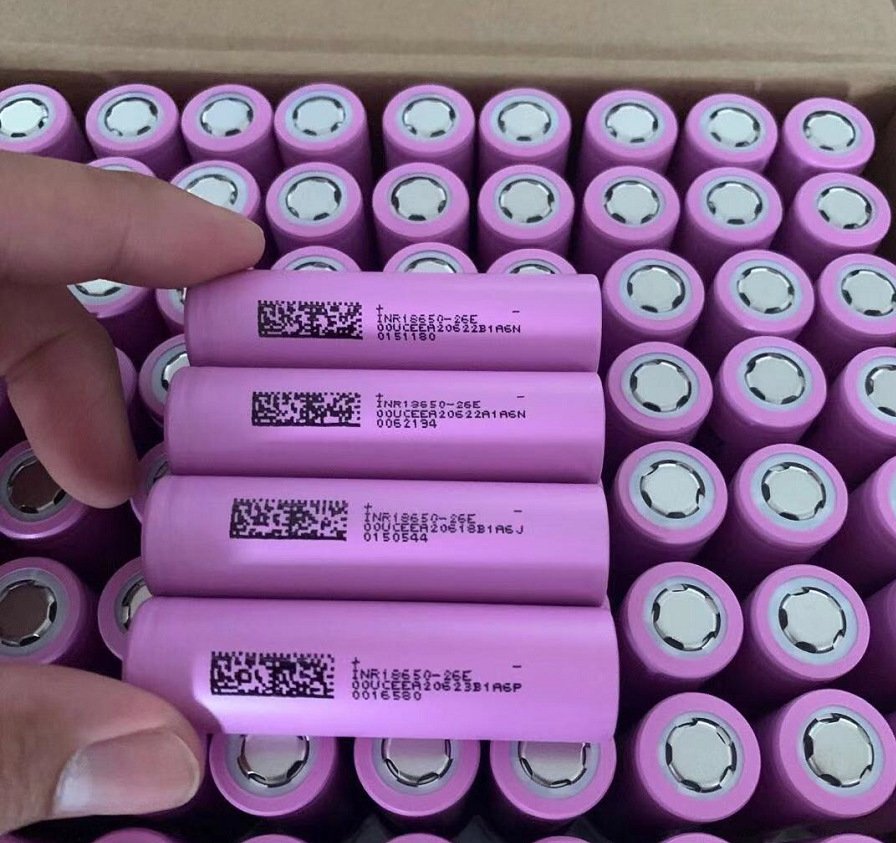
The 18650 designation refers to the physical dimensions of the battery: 18mm in diameter and 65mm in length. However, the “LFP” or Lithium Iron Phosphate chemistry offers distinct advantages over traditional Cobalt-based lithium-ion batteries (like the common 18650 found in laptops).
Technical Breakdown: The Core Advantages
From a technical standpoint, LFP batteries prioritize safety and cycle life over raw energy density. This makes them ideal for industrial use where replacement costs and safety hazards are significant concerns.
- Thermal and Chemical Stability: LFP chemistry has a much higher thermal runaway threshold compared to NMC (Nickel Manganese Cobalt) batteries. This means they are significantly less likely to overheat, catch fire, or explode, even under stress.
- Extended Cycle Life: While standard lithium-ion batteries might last 300-500 cycles, high-quality LFP cells can achieve 2,000 to 3,000 cycles or more while retaining 80% of their capacity. This drastically reduces the total cost of ownership (TCO) for your clients.
- High Discharge Capability: Industrial applications often require bursts of high current. LFP batteries can handle high discharge rates (often rated at 10C, 15C, or even continuous 30A) without significant degradation.
Expert Insight: When sourcing from China for B2B export, always verify the actual discharge rate (C-rate) and the consistency of the internal resistance (IR) across batches. A low IR ensures minimal heat generation during high-power operations.
Solving High Discharge Rate Challenges
One of the most common hurdles in industrial battery design is managing heat during high-current discharge. Standard consumer batteries often lack the robust internal structure to handle continuous heavy loads, leading to rapid capacity fade.
The Structural Superiority of Cylindrical Cells
Cylindrical cells, by their very nature, have excellent mechanical stability. The rolled “jelly roll” structure provides uniform pressure distribution and efficient heat dissipation pathways.
For applications requiring High Discharge Rates, manufacturers often utilize specific cathode materials like IMR ( Lithium Manganese Oxide) or INR ( Nickel Manganese Cobalt) blends, which offer a balance between energy density and power output. However, for the ultimate in safety combined with high power, IFR ( Lithium Iron Phosphate) in larger formats like the 32700 is becoming increasingly popular.
Key Technical Specifications for High-Drain Applications:
| Feature | Importance for High Discharge | Typical Industrial Standard |
|---|---|---|
| Internal Resistance (IR) | Lower IR = Less Heat Generation | < 30mΩ (Varies by Capacity) |
| Max Continuous Discharge | Determines Sustained Power Output | 10A – 30A+ |
| Thermal Management | Critical for Safety and Longevity | Stable up to 60°C Operating Temp |
| Weldability | Essential for Pack Assembly | Nickel-Plated Steel Shell |
Application Scenarios: Where Performance Meets Demand
Understanding where these batteries are deployed helps in selecting the right variant for your export market. The “One Size Fits All” approach does not apply in the B2B sector.
1. Power Tools and Garden Equipment
Cordless power tools (drills, saws) and garden tools (trimmers, lawnmowers) require instantaneous high torque, which translates to high current draw. Here, INR 21700 or 32700 cells are often preferred over the standard 18650 due to their larger capacity and superior power density.
2. Electric Vehicles (EVs) and Micromobility
From Electric Bikes (E-Bikes) to scooters, the battery must handle variable loads and regenerative braking. The robustness of cylindrical cells makes them perfect for the vibration-heavy environment of transportation. LFP chemistry is particularly favored in markets with strict safety regulations.
3. Energy Storage Systems (ESS) and UPS
For Household Energy Storage and Uninterruptible Power Supplies (UPS), the long cycle life of LFP cells is the primary selling point. These systems discharge slowly but need to last for a decade or more.
4. Medical and Backup Power
In medical equipment and high-end backup systems, reliability is non-negotiable. The ultra-safe nature of phosphate-based chemistry ensures that critical devices remain operational without risk of thermal events.
Selecting the Right Chinese Manufacturer: A Practitioner’s Checklist
As a B2B buyer or distributor, navigating the Chinese market requires due diligence. Here is how to ensure you are partnering with a supplier capable of meeting industrial standards.
1. Verify the “Industrial Grade” Label
Do not just take the marketing copy at face value. Ask for:
- Cycle Life Test Reports: Request data showing performance after 1000+ cycles.
- Sorting Data: Industrial cells are strictly sorted (graded) by voltage and internal resistance. Ask if they provide “Grade A” cells with tight sorting parameters (e.g., IR deviation < 5%).
2. Customization Capabilities
Your application might require a specific tab configuration, voltage cut-off, or even a custom label. A true manufacturer should offer OEM/ODM services.
3. Certifications
For export, batteries must comply with international standards. Ensure the supplier has access to or can provide cells with:
- UN38.3 (Transport Safety)
- CE, RoHS (European Market)
- UL, KC (Depending on your target region)
Conclusion: Partnering for Success
Sourcing high-discharge-rate cylindrical batteries is a technical challenge that requires a partnership with a manufacturer who understands both the chemistry and the application.
If you are looking for a reliable partner to solve your high-discharge needs and want to explore customized solutions for your specific market, CNS BATTERY offers a comprehensive range of cylindrical cells designed for industrial durability. Whether you need the standard 18650, the high-density 21700, or the high-capacity 32700, their R&D capabilities are geared towards providing tailored power solutions.
To consult with an expert or request a sample for testing, visit their product range or contact their team directly to ensure your next B2B export project is powered by the best technology available.
Explore the full range of Cylindrical Battery Cells today:
Product Link: Cylindrical Battery Cell
Contact the Manufacturer for Industrial Solutions:
Contact CNS BATTERY
Learn more about becoming a distinguished global partner:
About CNS Battery Manufacturers in China