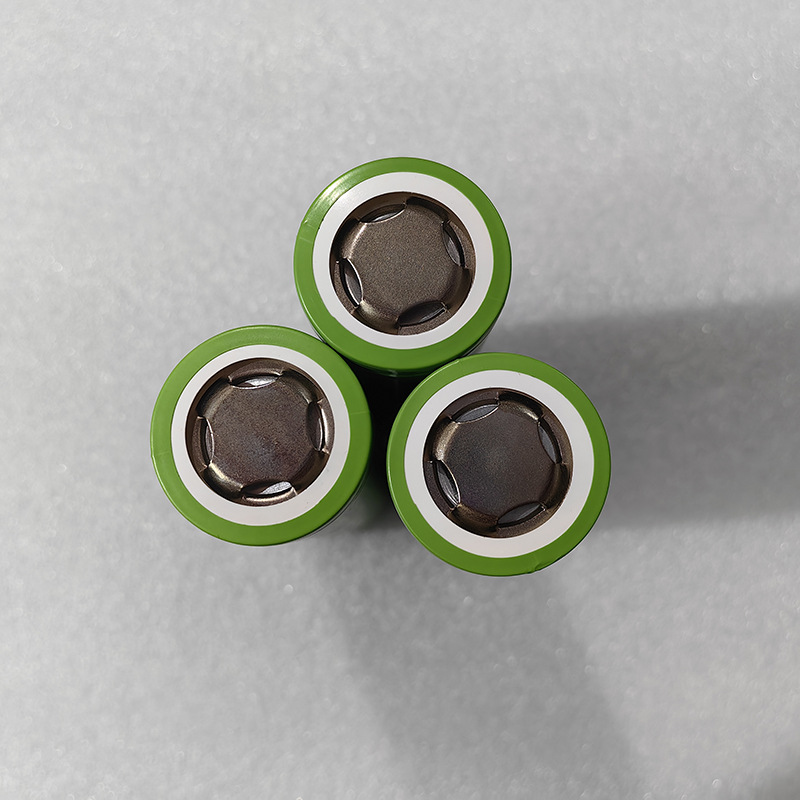
B2B 18650 LFP Cylindrical Battery Supplier China – Solve Fast Charging Without Heat Today Ideal for Manufacturers
Introduction
The global demand for reliable energy storage solutions continues to accelerate, with manufacturers seeking battery technologies that balance performance, safety, and cost-effectiveness. Among various options, 18650 LFP (Lithium Iron Phosphate) cylindrical batteries have emerged as a preferred choice for B2B applications. Chinese suppliers now offer advanced solutions that address the critical challenge of fast charging without excessive heat generation. This article explores the technical advantages, manufacturing considerations, and sourcing strategies for engineers and procurement professionals evaluating LFP battery partnerships.
Understanding LFP Chemistry Advantages
Lithium Iron Phosphate chemistry represents a significant advancement over traditional lithium-ion variants. The olivine crystal structure of LiFePO₄ provides exceptional thermal stability, with decomposition temperatures exceeding 270°C compared to 150°C for NMC alternatives. This inherent safety characteristic makes LFP batteries particularly suitable for applications requiring high charge rates without thermal runaway risks.
The flat voltage plateau around 3.2V nominal enables predictable power delivery throughout the discharge cycle. For manufacturers designing battery packs, this translates to simplified battery management system (BMS) requirements and reduced balancing complexity. Additionally, LFP cells typically achieve 3,000-5,000 full cycle life at 80% depth of discharge, significantly outperforming conventional lithium-ion counterparts in long-term reliability metrics.
Fast Charging Technology Without Heat Generation
Heat management remains the primary constraint in fast charging applications. Traditional lithium-ion batteries experience substantial temperature rises during high-current charging due to internal resistance and electrochemical reactions. Advanced 18650 LFP cells from leading Chinese manufacturers incorporate several innovations to mitigate this challenge:
Enhanced Electrode Design: Optimized particle sizing and conductive additive distribution reduce internal resistance below 35mΩ, minimizing I²R heat generation during charging cycles.
Advanced Electrolyte Formulations: Proprietary electrolyte additives improve ionic conductivity while maintaining stable SEI (Solid Electrolyte Interphase) layers at elevated charge rates up to 3C continuous.
Thermal Management Integration: Cylindrical form factors enable efficient heat dissipation through surface area optimization, allowing passive cooling in many applications without active thermal management systems.
Manufacturers report successful implementation of 1C-2C charging rates with temperature rises kept below 15°C above ambient, meeting stringent safety requirements for industrial and commercial applications.
Manufacturing Quality Considerations
When evaluating Chinese LFP battery suppliers, several critical quality parameters require verification:
Cell Consistency: Capacity variance should remain within ±2% across production batches. Request statistical process control data and cell matching specifications before commitment.
Safety Certifications: Verify UN38.3, IEC62133, CE, and UL certifications appropriate for your target markets. Reputable manufacturers maintain comprehensive testing documentation.
Production Capacity: Assess monthly output capabilities and lead time commitments. Established suppliers typically maintain 500,000+ cells monthly production with 4-6 week delivery schedules for standard configurations.
Technical Support: Evaluate engineering support availability for custom pack design, BMS integration, and application-specific optimization requirements.
Sourcing Strategy for International Buyers
Partnering with Chinese battery manufacturers requires careful due diligence beyond price comparisons. Geographic proximity to manufacturing clusters in Guangdong, Jiangsu, and Zhejiang provinces offers logistical advantages for quality audits and technical collaboration. Consider visiting facilities or engaging third-party inspection services for initial supplier qualification.
For comprehensive product specifications and technical documentation, explore available cylindrical battery cell options that match your application requirements. Established manufacturers provide detailed datasheets including impedance spectra, cycle life curves, and temperature performance characteristics essential for engineering validation.
When evaluating potential partnerships, prioritize suppliers demonstrating commitment to continuous improvement and regulatory compliance. Review their track record with international clients and request reference contacts from similar industries. For additional insights into working with Chinese battery manufacturers, consult resources on battery manufacturers in China to understand industry standards and best practices.
Conclusion
The evolution of 18650 LFP cylindrical battery technology presents significant opportunities for manufacturers seeking reliable, cost-effective energy storage solutions. Chinese suppliers now deliver products that successfully address fast charging challenges without compromising thermal safety. By understanding the technical advantages, quality verification requirements, and sourcing strategies outlined above, engineering teams and procurement professionals can make informed decisions when selecting battery partners.
For direct communication regarding specific application requirements, custom configurations, or volume pricing discussions, contact qualified suppliers through their official contact channels to initiate technical consultations. The right partnership combines technical expertise, manufacturing capability, and responsive support to ensure successful product integration and long-term supply chain reliability.
Technical specifications and performance data should be verified against current manufacturer documentation. Application-specific testing is recommended before final product integration.