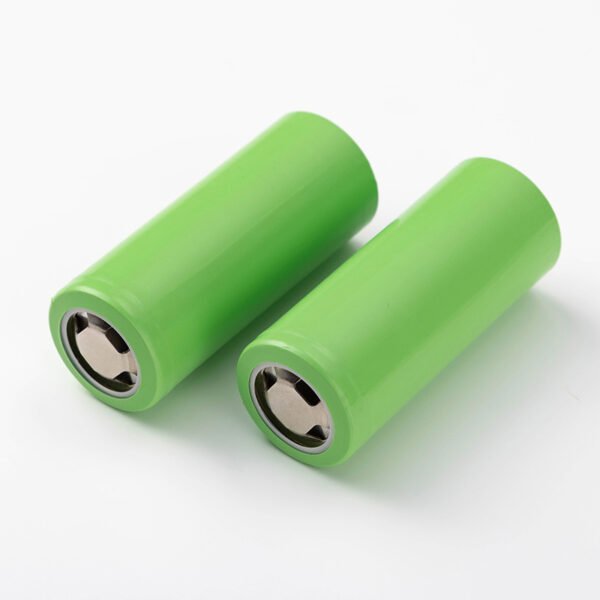
B2B 18650 LFP Cylindrical Battery Supplier China: Factory Audit & IATF16949 Compliance Guide
For global procurement professionals sourcing 18650 LFP cylindrical battery cells from China, verifying factory credentials and compliance standards is critical. This guide delivers actionable insights on supplier evaluation, technical specifications, and procurement best practices tailored for B2B buyers.
Why IATF16949 Certification Matters
The IATF16949 standard represents the automotive industry’s benchmark for quality management systems. When evaluating Chinese battery manufacturers, this certification signals:
- Consistent production quality across manufacturing batches
- Traceability systems for raw materials and components
- Risk management protocols aligned with automotive OEM requirements
- Continuous improvement frameworks for defect reduction
For buyers in energy storage, electric mobility, or industrial applications, partnering with an IATF16949-certified facility minimizes supply chain risk and ensures product reliability. Learn more about verified battery manufacturers in China.
18650 LFP Technical Fundamentals
LFP (Lithium Iron Phosphate) chemistry offers distinct advantages for B2B applications:
| Parameter | Typical Specification |
|---|---|
| Nominal Voltage | 3.2V |
| Capacity Range | 1500-2000mAh |
| Cycle Life | 2000-5000 cycles |
| Operating Temperature | -20°C to 60°C |
| Safety Rating | High thermal stability |
Unlike NMC or NCA chemistries, LFP cells provide superior thermal stability and extended cycle life, making them ideal for stationary energy storage, backup power systems, and commercial EV fleets where longevity outweighs energy density priorities.
Factory Audit Checklist for B2B Buyers
Before finalizing supplier agreements, conduct thorough due diligence:
1. Certification Verification
Request original IATF16949, ISO9001, and UN38.3 test reports. Cross-check certificate numbers with issuing bodies to confirm validity.
2. Production Capacity Assessment
Evaluate monthly output capacity, lead times, and scalability. Reputable manufacturers maintain transparent production schedules and can accommodate volume fluctuations.
3. Quality Control Infrastructure
Inspect in-house testing capabilities including capacity grading, internal resistance measurement, and safety validation protocols.
4. Supply Chain Transparency
Confirm raw material sourcing, particularly cathode materials and electrolyte suppliers. Traceability documentation should be readily available.
Procurement Best Practices
Compliance Requirements
Ensure batteries meet destination market regulations:
- EU: CE marking, REACH compliance
- North America: UL certification, DOT shipping requirements
- Asia-Pacific: Local safety standards verification
Contract Specifications
Define clear terms for:
- Capacity tolerance (±3% standard)
- Warranty periods (typically 12-24 months)
- Defect replacement policies
- Shipping and Incoterms clarity
Sample Testing Protocol
Before bulk orders, request production-grade samples for independent third-party testing. Validate capacity, cycle life claims, and safety performance against datasheet specifications.
Case Study: Energy Storage Project Deployment
A European ESS integrator partnered with a China-based IATF16949-certified manufacturer for a 5MWh grid storage project. Key success factors included:
- Pre-shipment inspection by third-party quality auditors
- Batch traceability enabling rapid issue resolution
- Technical support for BMS integration compatibility
- Consistent cell matching within 50mAh tolerance across 15,000+ cells
The project achieved 98% uptime over 18 months, validating the importance of supplier qualification.
Direct Manufacturer Engagement
Working directly with factories eliminates intermediary markups and improves communication efficiency. Established Chinese suppliers offer:
- Customization options for capacity, terminal configuration, and packaging
- Technical collaboration for application-specific requirements
- Competitive pricing with transparent cost structures
Explore available cylindrical battery cell products for detailed specifications and configuration options.
Risk Mitigation Strategies
- Diversify supplier base to avoid single-source dependency
- Implement incoming quality inspection at your facility
- Maintain buffer inventory for critical projects
- Establish clear escalation protocols for quality issues
Conclusion
Selecting the right 18650 LFP cylindrical battery supplier in China requires systematic evaluation of certifications, production capabilities, and quality systems. IATF16949 compliance serves as a foundational filter, but comprehensive factory audits and sample validation remain essential.
For procurement teams prioritizing long-term partnerships over transactional purchases, direct engagement with certified manufacturers delivers superior value, technical support, and supply chain reliability.
Ready to initiate supplier qualification? Contact our team for factory audit scheduling and product sampling at CNS Battery.
This guide reflects industry best practices as of 2026. Specifications and certifications should be verified directly with manufacturers before procurement decisions.