

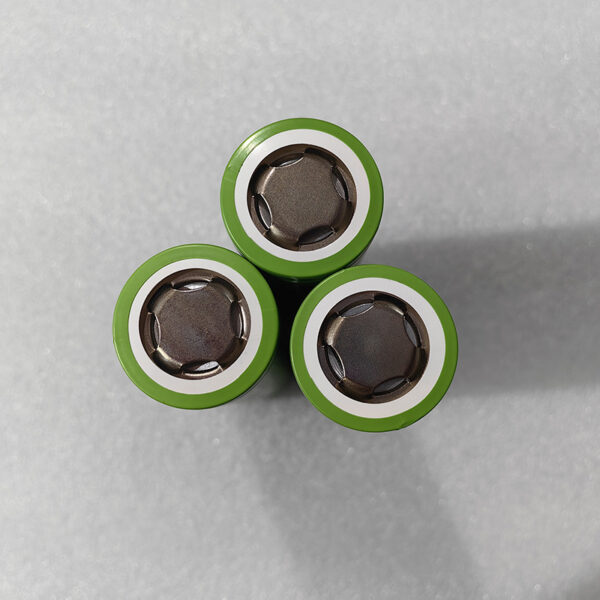
B2B 18650 LFP Cylindrical Battery Supplier China – Solve Extended Warranty Today vs Competitors
In the rapidly evolving landscape of industrial energy storage, selecting the right 18650 LFP cylindrical battery supplier in China has become a critical decision point for B2B procurement teams across Europe, North America, and emerging markets. With extended warranty expectations rising and competitor claims becoming increasingly aggressive, technical buyers need data-driven insights to differentiate genuine performance from marketing rhetoric. This analysis breaks down the core technical parameters, testing methodologies, and regional compliance frameworks that define superior LFP cell performance in 2026.
Understanding 18650 LFP Chemistry Fundamentals
The 18650 designation refers to cylindrical cells measuring 18mm in diameter and 65mm in length—a standardized form factor originally established by Sony and now universally adopted across the lithium battery industry. Lithium Iron Phosphate (LiFePO₄) chemistry distinguishes itself from conventional NCM/NCA counterparts through exceptional thermal stability, extended cycle life, and inherent safety characteristics.
Key electrochemical advantages include:
- Nominal Voltage: 3.2V (vs. 3.6-3.7V for NCM)
- Charge Cut-off: 3.6V maximum
- Thermal Runaway Threshold: Exceeds 270°C (significantly higher than NCM’s 150-200°C)
- Cycle Life: 2,000-5,000+ cycles at 80% depth of discharge
For B2B applications requiring long-term reliability—from stationary energy storage to electric vehicle auxiliary systems—LFP chemistry provides the optimal balance between safety, longevity, and total cost of ownership.
Critical Performance Parameters for Extended Warranty Validation
When evaluating cylindrical battery cell suppliers for extended warranty programs, procurement engineers must verify these essential specifications:
1. Capacity Retention Under Real-World Conditions
Premium 18650 LFP cells should maintain ≥80% capacity after 2,000 cycles at 1C charge/discharge rates. Temperature performance is equally critical: capacity retention should exceed 70% at -20°C ambient conditions, with minimal degradation at 55°C continuous operation.
2. Internal Resistance (DCR) Stability
Initial AC impedance should remain below 30mΩ for standard 18650 LFP cells. More importantly, DCR growth rate after 1,000 cycles should not exceed 20%—a key indicator of electrode stability and electrolyte formulation quality.
3. Rate Capability Verification
Perform multi-rate testing at 0.2C, 1C, 3C, and 5C discharge profiles. High-quality LFP cells demonstrate less than 5% capacity variation between 0.2C and 1C rates, ensuring consistent performance across varying load conditions.
Comprehensive testing protocols and technical documentation are available through established manufacturers at https://cnsbattery.com/products-3/cylindrical-battery-cell/ where detailed specification sheets support engineering validation processes.
Standardized Testing Methodologies for Warranty Compliance
Extended warranty claims require reproducible, third-party verifiable testing procedures aligned with international standards:
UN38.3 Transportation Safety Certification
All lithium battery shipments must comply with UN38.3 testing requirements, including altitude simulation, thermal cycling, vibration, shock, external short circuit, impact, overcharge, and forced discharge tests. This certification is mandatory for air, sea, and ground transportation across EU, USA, and Asian markets.
IEC 62619 Industrial Battery Safety
For stationary energy storage applications, IEC 62619 certification demonstrates compliance with international safety requirements for secondary lithium cells and batteries used in industrial applications.
Regional Compliance Frameworks
- European Union: CE marking with Battery Regulation (EU) 2023/1542 compliance, including carbon footprint declarations and recycled content requirements effective 2026
- United States: UL 1973 for stationary applications, UL 1642 for cell-level safety
- North American Transportation: DOT 38.3 alignment with UN standards
Manufacturers maintaining comprehensive certification portfolios demonstrate commitment to global market accessibility and reduced compliance risk for B2B customers.
Geographic Adaptability and Regional Technical Barriers
China-based battery manufacturers serving international markets must navigate complex regional requirements while maintaining cost competitiveness. Leading suppliers have established testing laboratories with CNAS accreditation, enabling direct issuance of internationally recognized test reports without third-party intermediaries.
For European buyers, Battery Passport requirements under the new EU Battery Regulation mandate digital documentation tracking each battery’s chemistry, carbon footprint, and recycling information throughout its lifecycle. US procurement teams prioritize UL certification and DOT transportation compliance for liability protection.
The strategic advantage of partnering with established Chinese manufacturers lies in their ability to provide:
- Multi-regional certification support (CE, UL, UN38.3, IEC)
- Customized BMS integration for specific application requirements
- Scalable production capacity with consistent quality control
- Direct technical support for engineering teams
Detailed manufacturer qualification information can be reviewed at https://cnsbattery.com/battery-manufacturers-in-china/ providing transparency into production capabilities and quality management systems.
Conclusion: Making Data-Driven Supplier Decisions
Extended warranty programs succeed only when backed by verifiable performance data and robust quality management systems. B2B buyers should prioritize suppliers offering comprehensive technical documentation, third-party testing validation, and clear warranty terms aligned with actual cell performance characteristics.
For engineering teams evaluating 18650 LFP cylindrical battery options, direct communication with qualified manufacturers enables customized solutions matching specific application requirements. Contact established suppliers at https://cnsbattery.com/contact-2/ to initiate technical discussions and request sample testing protocols.
In 2026’s competitive landscape, the differentiation between premium and commodity battery suppliers comes down to transparent performance data, regional compliance expertise, and commitment to long-term partnership support—not just price per watt-hour.

