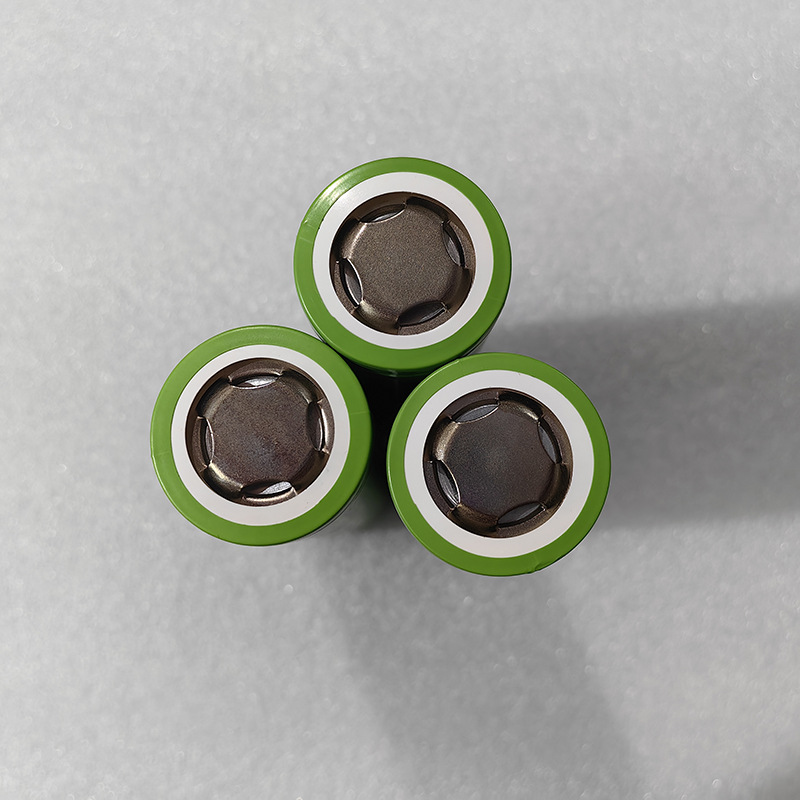
B2B 18650 LFP Cylindrical Battery Supplier China – Solve Custom Voltage Platform Today vs Competitors
In the rapidly evolving landscape of industrial energy storage, selecting the right 18650 LFP cylindrical battery supplier has become a critical decision point for B2B buyers worldwide. As lithium iron phosphate (LiFePO₄) chemistry continues to dominate safety-conscious applications, understanding the technical differentiators between Chinese manufacturers and global competitors is essential for engineers and technical procurement professionals.
Understanding LFP Chemistry Advantages in 18650 Format
The 18650 cylindrical cell format remains industry-standard for modular battery pack designs. When paired with LFP chemistry, these cells deliver exceptional thermal stability with decomposition temperatures exceeding 270°C, significantly higher than NMC alternatives. The nominal voltage of 3.2V per cell creates unique platform considerations for custom battery pack configurations.
Key technical specifications engineers should evaluate include:
- Cycle life: Premium LFP 18650 cells achieve 3,000-5,000 cycles at 80% DOD
- Energy density: Typically 90-120 Wh/kg for cylindrical LFP format
- Continuous discharge rates: Ranging from 1C to 3C depending on cell design
- Operating temperature: -20°C to 60°C with optimized BMS integration
Custom Voltage Platform Engineering Considerations
One of the primary challenges in B2B battery procurement is matching cell specifications to application voltage requirements. A single 18650 LFP cell operates at 3.2V nominal, meaning pack designers must calculate series configurations precisely. For example, a 48V system typically requires 15S configuration (48V nominal), while 24V systems need 7S or 8S arrangements.
Competitors often offer standardized configurations only, whereas leading Chinese manufacturers provide custom voltage platform solutions with flexible BMS programming. This customization capability directly impacts system efficiency, as mismatched voltage platforms can reduce overall energy utilization by 10-15%.
Quality Assurance and Manufacturing Standards
When evaluating potential suppliers, technical buyers must verify manufacturing certifications beyond basic ISO compliance. Reputable facilities maintain IEC 62133, UL 1642, and UN 38.3 certifications for international shipping. Cell consistency metrics including capacity deviation (±3%), internal resistance variation (±5%), and voltage matching are critical indicators of production quality.
Advanced manufacturers implement automated optical inspection (AOI) systems and statistical process control (SPC) throughout production lines. This ensures batch-to-batch consistency essential for large-scale deployments where cell mismatch can accelerate pack degradation.
Supply Chain Reliability and Lead Time Management
China’s battery manufacturing ecosystem offers significant advantages in raw material access and production scalability. However, B2B buyers must assess supplier capacity commitments and inventory management practices. Leading suppliers maintain 3-6 months of raw material reserves and provide transparent production scheduling for order tracking.
For detailed manufacturer verification and facility audits, technical teams should review comprehensive supplier documentation available through established industry channels like https://cnsbattery.com/battery-manufacturers-in-china/ which provides verified manufacturer listings and capability assessments.
Technical Support and After-Sales Engineering
The distinction between commodity suppliers and technical partners lies in post-sale engineering support. Premium suppliers offer cell matching services, custom BMS programming, and failure analysis capabilities. This includes providing detailed cell characterization data including impedance spectra, thermal modeling parameters, and aging curves for pack simulation software.
Engineering teams should request sample cells for validation testing before volume commitments. Reputable suppliers facilitate this process with clear communication channels documented at https://cnsbattery.com/contact-2/ for technical inquiries and specification discussions.
Cost-Performance Optimization Strategies
While LFP cells typically command 15-20% premium over standard lithium-ion alternatives, the total cost of ownership favors LFP in applications requiring extended cycle life. Procurement decisions should factor in:
- Replacement frequency reduction
- Safety system cost savings
- Warranty claim minimization
- Thermal management simplification
For comprehensive product specifications and technical datasheets, engineering teams can access detailed cylindrical cell information at https://cnsbattery.com/products-3/cylindrical-battery-cell/ including capacity options, discharge curves, and mechanical drawings.
Conclusion: Strategic Supplier Selection Framework
Selecting the right 18650 LFP cylindrical battery supplier requires balancing technical capability, manufacturing quality, and commercial terms. Chinese manufacturers have matured significantly, with top-tier facilities matching or exceeding international competitors in cell consistency and performance metrics.
The key differentiator remains custom voltage platform flexibility combined with engineering support throughout the product lifecycle. Technical buyers should prioritize suppliers offering transparent cell characterization data, flexible configuration options, and responsive engineering teams capable of solving application-specific challenges.
For B2B buyers evaluating long-term battery supply partnerships, the combination of LFP safety characteristics, 18650 format modularity, and Chinese manufacturing scalability creates compelling value propositions when paired with qualified, technically-competent suppliers. The investment in thorough supplier qualification pays dividends through reduced field failures, optimized system performance, and predictable total cost of ownership across the battery pack operational lifetime.