
Here is the professional article tailored for a B2B engineering and procurement audience, optimized for Google SEO.
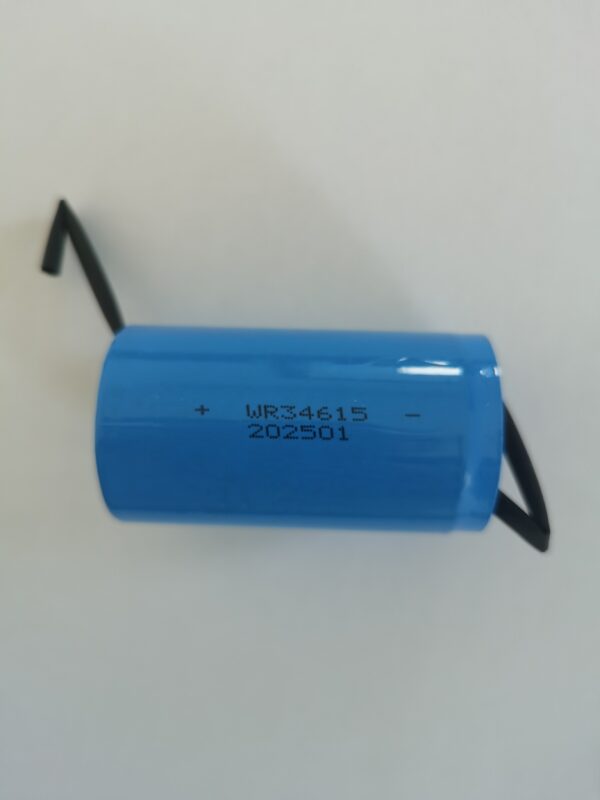
Automotive Infotainment Backup Battery | Li-MnO₂ Cell
In the modern automotive landscape, the infotainment system is no longer a luxury but a critical interface for safety, navigation, and connectivity. However, behind the sleek touchscreens and high-speed processors lies a silent guardian: the Automotive Infotainment Backup Battery. As a primary lithium battery specialist, I often encounter engineers and procurement managers who underestimate the complexity of this component until a field failure occurs.
When the main vehicle battery is disconnected—during maintenance, jump-starting, or a dead battery—the infotainment system relies entirely on a backup power source to retain critical settings. Without a robust Li-MnO₂ (Lithium Manganese Dioxide) Cell, modern vehicles risk losing GPS coordinates, radio presets, and complex electronic control unit (ECU) configurations, leading to expensive recalibrations and customer dissatisfaction.
This article delves into the technical specifications, electrochemical advantages, and design considerations of using Li-MnO₂ technology specifically for Automotive Infotainment Backup applications.
Why Li-MnO₂ is the Standard for Infotainment Retention
When selecting a backup battery, engineers must balance voltage stability, temperature resilience, and shelf life. Among primary lithium chemistries, Lithium Manganese Dioxide (Li-MnO₂) stands out due to its specific energy density profile and voltage characteristics.
The Electrochemical Advantage
Unlike alkaline or lithium-ion secondary batteries, primary lithium cells like Li-MnO₂ offer a nominal voltage of 3.0V. This is a critical differentiator. Most infotainment systems require a stable voltage to maintain memory in volatile RAM chips. A standard alkaline cell (1.5V) would require series stacking, increasing size and failure points, while a single Li-MnO₂ cell provides sufficient voltage headroom.
Voltage Profile and Load Handling
One of the most significant technical challenges in backup battery design is the “voltage delay” effect. When a load is applied to a Li-MnO₂ cell, there is a brief voltage dip due to the formation of a passivation layer on the lithium anode. This is a natural characteristic of lithium primary cells.
- Passivation Layer: Formed by the reaction between the lithium anode and the organic electrolyte.
- Voltage Recovery: High-quality Li-MnO₂ cells are engineered to recover voltage rapidly after this initial dip, ensuring that the logic circuitry of the infotainment system does not experience a brown-out (undervoltage condition).
For automotive applications, this means the battery must be paired with a low-leakage protection circuit to ensure the voltage remains above the system’s minimum operating threshold during high-drain events.
Technical Specifications for Automotive Grade Cells
Not all Li-MnO₂ cells are created equal. For use in Automotive Infotainment Backup, the cells must meet rigorous AEC-Q200 standards. Below is a comparison of the key parameters that define a high-reliability backup cell.
| Parameter | Standard Industrial Grade | Automotive Grade (AEC-Q200) |
|---|---|---|
| Operating Temperature | -20°C to +60°C | -40°C to +85°C |
| Shelf Life | 5-8 Years | 10+ Years (Low Self-Discharge) |
| Leakage Current | Standard Protection | Ultra-Low Leakage Circuitry |
| Vibration Resistance | Moderate | High (Mechanical Robustness) |
Temperature Resilience
Automotive electronics are exposed to extreme thermal cycles. While the passenger compartment offers some insulation, under-hood or dashboard environments can still reach temperatures exceeding 85°C in direct sunlight. Standard Li-MnO₂ cells may experience accelerated self-discharge or electrolyte degradation at these temperatures. Automotive-grade cells utilize specialized separators and electrolyte formulations to maintain integrity across the full automotive temperature spectrum.
Longevity and Self-Discharge
The primary role of the Automotive Infotainment Backup Battery is to sit idle for years, waiting for a power failure. This demands an exceptionally low self-discharge rate. High-quality Li-MnO₂ cells lose less than 1% of their capacity per year. This translates to a functional lifespan that matches or exceeds the vehicle’s operational life, eliminating the need for maintenance or replacement.
Design Integration and Safety Considerations
Integrating a Li-MnO₂ cell into an infotainment module requires careful mechanical and electrical design.
Mechanical Retention
The battery holder design is crucial. Li-MnO₂ cells are typically cylindrical (e.g., CR2032, CR123A, or custom prismatic shapes). The holder must apply consistent pressure to ensure low contact resistance but must not deform the cell’s metal can. Mechanical deformation can compromise the internal seals, leading to catastrophic leakage of the organic electrolyte, which is highly corrosive to PCBs.
Protection Circuitry
While Li-MnO₂ cells are primary (non-rechargeable) and generally safe, they must never be subjected to an external charging voltage. If the infotainment system design includes a path where the main battery could back-feed into the backup circuit, a blocking diode is mandatory. Short-circuiting a Li-MnO₂ cell can lead to rapid thermal runaway, venting, and fire.
Conclusion: Selecting the Right Partner
Choosing the right Li-MnO₂ cell for your Automotive Infotainment Backup system is not just about chemistry; it is about partnering with a manufacturer that understands the nuances of automotive reliability.
At CNS Battery, we engineer Primary Lithium Batteries specifically for the harsh environments found in modern vehicles. Whether you require standard coin cells or custom high-drain solutions, our technical team is ready to support your next design cycle.
For specific inquiries regarding Automotive Infotainment Backup Battery solutions and Li-MnO₂ Cell specifications, please contact our engineering team directly via our Contact Us page. If you are currently sourcing components, you can also view our full range of Primary Battery products designed for industrial and automotive applications.
