
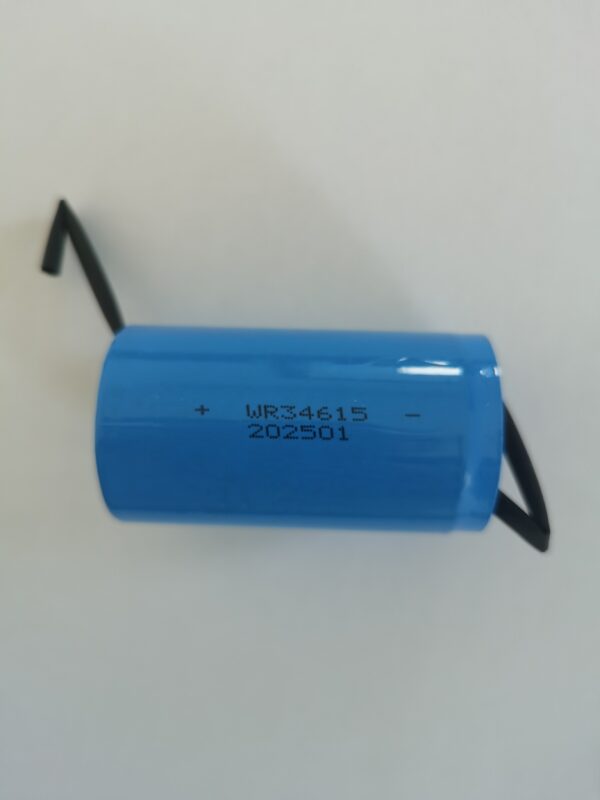
Australia Border Force Compliant Lithium Battery Import: A Technical Guide for B2B Professionals
Importing lithium batteries into Australia requires strict adherence to Australian Border Force (ABF) regulations. For engineering teams and technical procurement specialists, understanding compliance requirements is critical to avoiding costly delays, fines, or cargo destruction. This guide outlines essential compliance frameworks for lithium metal primary battery imports, integrating technical fundamentals with regulatory prerequisites.
Understanding ABF Regulatory Framework
The Australian Border Force classifies lithium metal batteries as Class 9 Dangerous Goods under the UN Recommendations on the Transport of Dangerous Goods. Since 2026, enforcement has intensified, with non-compliant shipments facing immediate rejection or destruction at entry ports including Sydney, Melbourne, and Brisbane.
Core Compliance Requirements
1. UN38.3 Testing Certification
All lithium metal batteries must pass UN38.3 testing before transport. This standard evaluates battery safety under eight critical conditions:
- Altitude simulation (low pressure)
- Thermal cycling (-40°C to +70°C)
- Vibration testing
- Mechanical shock
- External short circuit (55°C)
- Impact/crush testing
- Overcharge protection
- Forced discharge
The UN38.3 report serves as the primary transport safety documentation—not a quality certification like CE or FCC. ABF officers verify this documentation during customs clearance. Missing or incomplete UN38.3 reports result in immediate shipment holds.
2. Proper Dangerous Goods Classification
Lithium metal primary batteries fall under specific UN numbers:
- UN3090: Lithium metal batteries shipped separately
- UN3091: Lithium metal batteries contained in or packed with equipment
Each classification requires distinct packaging, labeling, and documentation protocols. Misclassification triggers automatic compliance flags in ABF systems.
3. Labeling and Marking Standards
All packages must display:
- Class 9 dangerous goods diamond label
- “LITHIUM METAL BATTERIES” marking
- UN number (UN3090 or UN3091)
- Cargo aircraft only restriction (if applicable): “FORBIDDEN FOR TRANSPORT ABOARD PASSENGER AIRCRAFT”
- Emergency contact information
Incorrect or missing labels constitute misdeclaration, attracting penalties up to AUD 50,000 plus cargo forfeiture.
4. Documentation Requirements
Three essential documents must accompany every shipment:
- Dangerous Goods Declaration (DGD): Completed by certified shippers
- UN38.3 Test Summary: Accessible throughout the supply chain
- Material Safety Data Sheet (MSDS): Detailing chemical composition and emergency procedures
Absent documentation results in automatic return or destruction at importer’s expense.
Lithium Metal Primary Battery Technology Fundamentals
Understanding battery chemistry supports compliance decisions. Lithium metal primary batteries utilize metallic lithium as the anode material, offering higher energy density than lithium-ion counterparts.
Electrochemical Principles
The basic cell structure comprises:
- Anode: Metallic lithium (Li)
- Cathode: Various materials (MnO₂, FeS₂, SOCl₂, depending on application)
- Electrolyte: Organic solvent with lithium salt
- Separator: Microporous membrane preventing internal short circuits
During discharge, lithium oxidizes at the anode: Li → Li⁺ + e⁻
Electrons flow through external circuits while lithium ions migrate through the electrolyte to the cathode, generating electrical current. This non-rechargeable chemistry provides stable voltage output and extended shelf life (10+ years), making these batteries ideal for remote sensors, medical devices, and military applications.
Safety Considerations
Metallic lithium’s high reactivity necessitates careful handling. Thermal runaway risks increase when batteries experience:
- Physical damage compromising separator integrity
- External short circuits generating excessive heat
- Elevated temperatures exceeding design specifications
- Manufacturing defects causing internal shorts
UN38.3 testing specifically addresses these failure modes, ensuring batteries withstand transport stresses without thermal events.
2026 Regulatory Updates
Recent amendments effective January 2026 include:
- Stricter State of Charge (SoC) limits: Air shipments must not exceed 30% capacity for certain configurations
- Enhanced tracking requirements: Digital documentation now mandatory for high-volume importers
- Expanded UN classifications: New UN3563 designation for lithium metal batteries installed in cargo transport units
These changes align Australian regulations with IATA Dangerous Goods Regulations and IMO IMDG Code updates.
Practical Compliance Checklist
Before shipping to Australia, verify:
✓ UN38.3 test report current and complete (all 8 tests passed)
✓ Correct UN number assigned based on shipment configuration
✓ Class 9 dangerous goods labels properly affixed
✓ Dangerous Goods Declaration completed by certified personnel
✓ MSDS available in English
✓ Packaging meets PG II or PG III requirements
✓ Emergency response information included
Partnering with Compliant Suppliers
Working with manufacturers who understand Australian requirements reduces compliance risks. Established suppliers maintain current UN38.3 certifications, proper labeling protocols, and documentation systems aligned with ABF expectations.
For technical specifications and compliance documentation on lithium metal primary batteries, visit CNS Battery’s product page. Their engineering team supports B2B clients with certification verification and technical consultation.
When compliance questions arise, direct communication with manufacturers ensures accurate information. Contact CNS Battery’s technical team at https://cnsbattery.com/primary-battery-contact-us/ for detailed compliance support.
Conclusion
Australian Border Force lithium battery import compliance demands meticulous attention to testing, classification, labeling, and documentation. For technical procurement professionals, establishing compliant supply chains requires partnering with manufacturers who maintain current certifications and understand ABF requirements. Investing in compliance upfront prevents costly delays, penalties, and reputational damage while ensuring reliable battery supply for Australian operations.
The regulatory landscape continues evolving. Regular review of ABF guidelines, IATA updates, and manufacturer certifications maintains ongoing compliance. When in doubt, engage certified customs brokers and leverage manufacturer technical support to navigate complex requirements successfully.
