
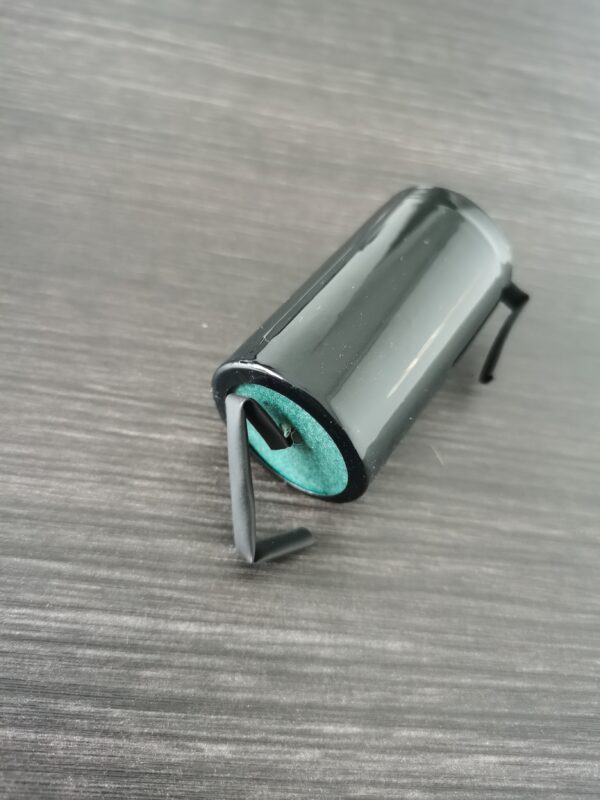
What Are the Best Shipping Incoterms for Lithium Battery Orders
Navigating the global supply chain for lithium batteries requires a delicate balance between cost control and risk management. As a Senior Lithium Battery Engineer, I often see technical buyers and procurement managers stumble not because of the product specifications, but because of the logistics strategy. Selecting the wrong Incoterm can turn a profitable order into a logistical nightmare, especially when dealing with the stringent regulations surrounding Dangerous Goods (Class 9).
This guide cuts through the legal jargon to provide a tactical breakdown of the best Incoterms for lithium battery shipments. We will analyze the specific risks, costs, and technical responsibilities associated with each term, ensuring you make a decision that aligns with your engineering and commercial requirements.
Why Standard Incoterms Fail for Lithium Batteries
Before diving into the “best” options, it is crucial to understand why standard commercial shipping terms often fail for lithium-ion or lithium-metal cells. Unlike standard electronics, batteries are classified as Class 9 Dangerous Goods. This classification introduces unique variables that standard Incoterms do not automatically account for:
- Compliance Costs: The cost of UN38.3 testing, MSDS preparation, and specialized hazardous material handling fees.
- Carrier Restrictions: Not all freight forwarders are certified to handle Class 9 goods, limiting your options.
- Customs Delays: Non-compliant paperwork can result in seizures, leading to thermal runaway risks if batteries are stored improperly in a customs warehouse.
Engineer’s Note: When we discuss “shipping” lithium batteries, we are not just moving cargo; we are transporting a high-energy chemical system. The Incoterm you select dictates who manages the engineering safety of that system during transit.
Top Recommended Incoterms for Battery Shipments
Based on years of R&D and global logistics experience, the following Incoterms are generally recommended for lithium battery orders, depending on your relationship with the supplier and your internal logistics capabilities.
1. EXW (Ex Works): The “Buyer-Controlled” Option
EXW is often favored by large Original Equipment Manufacturers (OEMs) with sophisticated logistics departments.
- How it works: The seller makes the goods available at their premises (e.g., the factory gate in Zhengzhou). The buyer bears all costs and risks involved in taking the goods from there to the desired destination.
- Best for: Large corporations that use a “Single Source Logistics” model.
- Pros:
- Consolidation: You can bundle battery shipments with other electronic components (PCBs, casings) into a single Less than Container Load (LCL) or Full Container Load (FCL).
- Carrier Choice: You select the freight forwarder, ensuring they meet your specific Dangerous Goods handling protocols.
- Cons:
- Export Complexity: The buyer is responsible for export clearance. If you are importing from China, this requires a licensed customs broker on your end.
- Risk: The moment the goods leave the factory, the liability shifts to you.
2. FCA (Free Carrier): The “Balanced” Approach
FCA is arguably the most logical choice for modern battery logistics, bridging the gap between EXW and CIP.
- How it works: The seller delivers the goods to the carrier (or another person nominated by the buyer) at a named place. This could be the seller’s warehouse or a terminal.
- Best for: Mid-sized companies or those shipping via Air Freight (common for high-value battery samples or urgent orders).
- Pros:
- Flexibility: You can nominate your own freight forwarder to pick up the goods directly from the manufacturer’s dock.
- Safety Handover: The risk transfers to the buyer once the goods are loaded onto the buyer’s nominated vehicle. This ensures the manufacturer handles the delicate factory-to-truck loading process.
- Documentation: The seller usually handles the initial export documentation, which is critical for battery compliance.
- Cons: Requires coordination between the buyer’s forwarder and the seller’s loading schedule.
3. DDP (Delivered Duty Paid): The “Turnkey” Solution
DDP is the most seller-intensive term and is often used for small batch orders or samples.
- How it works: The seller bears all the risks and costs associated with bringing the goods to the destination, including import duties and taxes.
- Best for: Startups or R&D labs ordering small quantities of custom battery cells for testing.
- Pros:
- Zero Hassle: The buyer simply waits for the package to arrive.
- Expert Handling: The seller (who is an expert in shipping their own batteries) manages the entire hazardous goods export process.
- Cons:
- Cost: Sellers typically markup the shipping costs significantly to cover their administrative burden.
- Tax Inefficiency: The seller pays the import VAT/taxes, which cannot be reclaimed by the buyer in most jurisdictions.
Incoterm Comparison Matrix
To help you visualize the decision-making process, here is a comparison of the key factors:
| Incoterm | Risk Transfer Point | Export Clearance Responsibility | Ideal Use Case |
|---|---|---|---|
| EXW | Seller’s Premises | Buyer | Large OEMs with in-house logistics |
| FCA | Carrier’s Premises | Seller (usually) | Air freight, LCL shipments, technical buyers |
| DDP | Final Destination | Seller | Samples, small R&D orders, non-logistics companies |
The Critical Factor: Technical Compliance & Regional Standards
Selecting the right Incoterm is only half the battle. The other half is ensuring the product meets the regional safety standards of the destination country. A mismatch here can invalidate your insurance and result in customs rejections, regardless of the Incoterm.
As a manufacturer deeply rooted in the Zhengzhou Science Avenue industrial park, CNS BATTERY understands the nuances of global compliance. We engineer our primary lithium batteries to meet the specific regulatory hurdles of major markets:
- For the European Union: We adhere strictly to the UN 38.3 testing requirements and the latest amendments of the ADR (European Agreement concerning the International Carriage of Dangerous Goods by Road). Our documentation is REACH and RoHS compliant, ensuring smooth customs clearance within the EU bloc.
- For North America: Our shipments are prepared according to 49 CFR (Code of Federal Regulations) standards. We provide the necessary Hazard Class 9 labels and shipping papers required by the DOT (Department of Transportation) and IATA for air shipments.
- For Asia-Pacific: We meet the specific import criteria of countries like Japan and Australia, which often have unique labeling and safety data sheet requirements.
Why This Matters for Your Shipment
When you partner with a manufacturer that understands both the chemistry of the battery and the geography of the market, your shipping strategy becomes seamless. Whether you choose FCA to manage your own freight or EXW to consolidate shipments, having a supplier who provides flawless documentation (MSDS, UN38.3 test summaries, and test reports) is non-negotiable.
If you are currently facing challenges with lithium battery logistics or need a custom solution that fits your specific regional compliance needs, our engineering team is ready to assist.
Ready to optimize your battery supply chain? Explore our range of compliant primary lithium batteries or contact our technical sales team for a consultation on your next order.
