
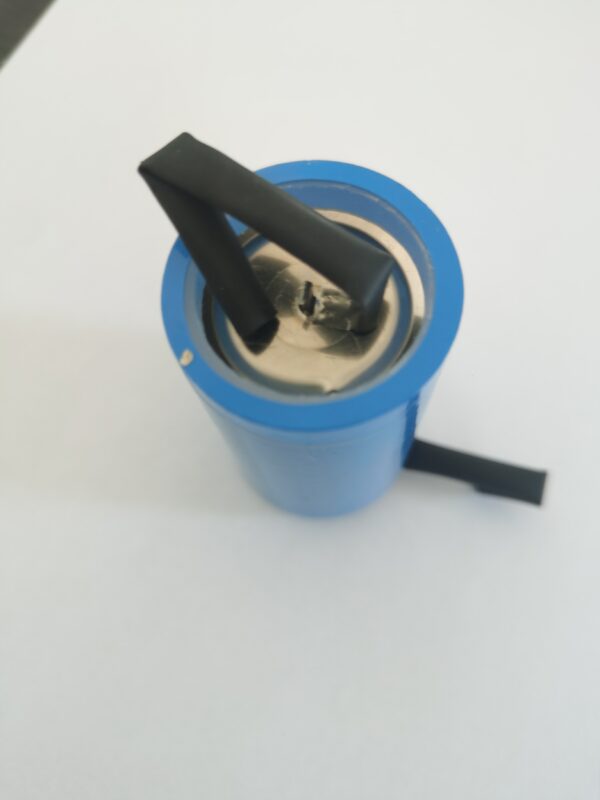
Saft LS14500 Li-SOCl₂ Battery Alternative for Cold Chain Loggers
In the demanding world of cold chain logistics, data loggers are the unsung heroes, silently tracking temperature and humidity to ensure the integrity of pharmaceuticals, food, and sensitive chemicals. At the heart of every reliable logger sits a primary lithium battery—specifically, the Lithium Thionyl Chloride (Li-SOCl₂) chemistry. For years, the Saft LS14500 has been the industry standard for these applications. However, global supply chain dynamics and the need for robust alternatives have led many B2B procurement managers and R&D engineers to search for high-performance substitutes.
If you are currently facing supply constraints or seeking a more cost-effective, high-reliability alternative to the Saft LS14500 for your cold chain monitoring devices, this article is designed for you. We will dissect the technical requirements of these loggers and introduce a viable solution that meets the rigorous standards of the logistics industry.
Why Lithium Thionyl Chloride (Li-SOCl₂) is Non-Negotiable for Loggers
Before diving into alternatives, it is crucial to understand why the chemistry itself is the primary selection criterion, not just the brand.
1. Voltage Stability and High Nominal Voltage
Unlike alkaline or lithium-ion batteries, primary lithium cells like Li-SOCl₂ offer a nominal voltage of 3.6V. This is critical for cold chain loggers because it allows the device to operate efficiently without the need for complex voltage-boosting circuitry. For a device that needs to run for 5–10 years on a single charge, energy density and voltage stability are paramount.
2. Extreme Temperature Tolerance
Cold chain logistics often involves deep freezing (down to -40°C) and potential exposure to high temperatures during transport. Lithium Thionyl Chloride batteries are renowned for their ability to function in extreme environments, typically operating between -55°C to +85°C. This ensures that your data logger does not fail when the cargo shifts from a frozen warehouse to a hot container ship.
3. Low Self-Discharge Rate
The defining feature of primary lithium batteries is their incredibly low self-discharge rate—less than 1% per year. This translates directly into a device lifespan that matches or exceeds the product lifecycle, eliminating the need for battery replacement in the field.
The Technical Profile: Matching the Saft LS14500
When sourcing an alternative, dimensional compatibility and electrical characteristics are non-negotiable. The Saft LS14500 is an AA-size (14.5mm diameter x 50.5mm height) cylindrical cell.
To ensure a seamless drop-in replacement, the alternative must adhere to the following technical profile:
- Dimensions: Strictly 14.5mm x 50.5mm to fit standard battery holders.
- Capacity: Minimum 2.7Ah to ensure long-term data logging.
- Pulse Capability: Ability to handle the short, high-current pulses required when the logger transmits data or wakes from sleep mode.
- Connector Options: Compatibility with standard solder tabs or contacts.
Any deviation in these parameters can result in device failure or costly redesigns of the PCB or casing.
Introducing the CNS BATTERY Primary Lithium Solution
For OEMs and system integrators seeking a reliable Saft LS14500 alternative, CNS BATTERY offers a compelling solution. Based in Zhengzhou, China, CNS BATTERY specializes in high-reliability primary lithium cells designed for the industrial IoT and logistics tracking sectors.
Why this is a viable drop-in replacement:
- Dimensional & Electrical Parity: CNS BATTERY’s Li-SOCl₂ AA cells are manufactured to the exact IEC 60086 standards, ensuring they fit physically and electrically into applications designed for the Saft LS14500.
- High Pulse Power Technology: One of the common issues with Li-SOCl₂ cells is voltage delay or drop under load. CNS BATTERY utilizes advanced electrode technology to minimize this effect, ensuring stable data transmission even in low-temperature environments.
- Certified Safety: All cells undergo rigorous safety testing (including UN38.3 for transport safety), which is a mandatory requirement for batteries used in global shipping containers.
Application in Cold Chain Logistics
In the context of cold chain logistics, reliability is not just a feature; it is a regulatory requirement. Whether monitoring vaccines or frozen seafood, a dead logger means a break in the audit trail.
CNS BATTERY’s solution is engineered to provide:
- Long-Term Stability: Ensuring continuous logging for the entire duration of the supply chain journey.
- Supply Chain Resilience: Offering a dual-sourcing strategy to mitigate risks associated with relying on a single supplier.
- Cost Efficiency: Providing high performance without the premium branding markup, allowing logistics companies to scale their IoT deployments more affordably.
Partnering with a Manufacturer You Can Trust
Switching battery suppliers for a critical application like cold chain monitoring requires confidence. As a manufacturer located in Zhengzhou, CNS BATTERY serves clients across North America, Europe, and Asia, adhering strictly to international shipping and compliance regulations.
For B2B clients looking to sample this Saft LS14500 alternative or discuss custom configurations for high-volume logistics deployments, direct communication with the technical team is essential.
You can explore the full range of Primary Battery solutions, including the AA-size Li-SOCl₂ cells, on their product page: Primary Battery Product Line.
For specific inquiries regarding integration into cold chain loggers or to request technical datasheets, contacting the sales engineering team directly is recommended: Contact CNS BATTERY.
By choosing a technically sound alternative, logistics providers can ensure their data integrity remains unbroken, from the factory floor to the final destination.
