
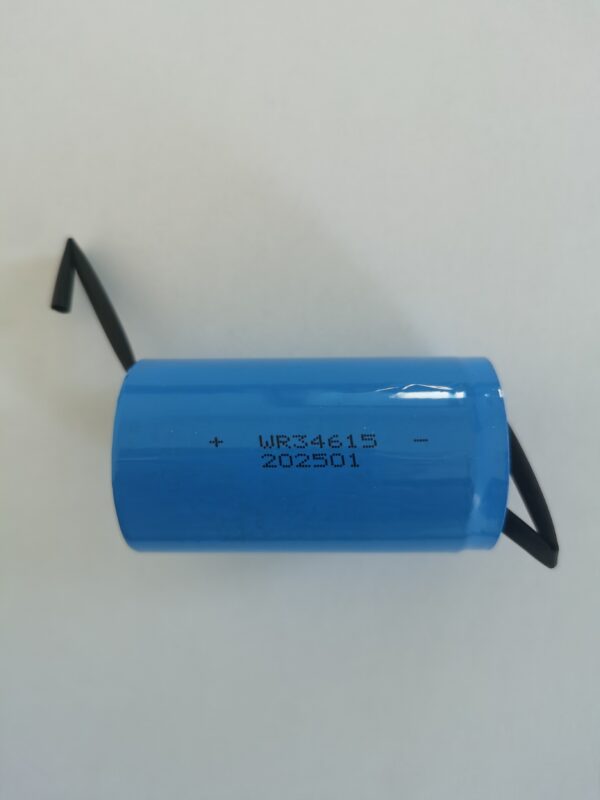
🌩️ The Unseen Guardian: Why Primary Lithium Batteries Are Non-Negotiable for Landslide Detection
When a mountain decides to move, seconds matter. For engineers and geologists deploying Landslide Early Warning Systems (LEWS), the harsh reality is that these sensors often sit dormant for months or years before a critical event occurs. During this standby phase, the system relies entirely on a power source that must be chemically inert, physically robust, and capable of operating in extreme environments. A failure here isn’t just a dead battery; it’s a failure of the safety net.
While rechargeable lithium-ion batteries dominate consumer markets, the best lithium battery for landslide early warning sensors is unequivocally the Primary Lithium Battery (non-rechargeable). This article breaks down the specific chemistry, performance metrics, and technical specifications that make these cells the silent guardians of geological safety.
⚡ The Core Chemistry: Lithium-Thionyl Chloride (Li-SOCl₂)
To understand why primary lithium batteries are superior for this niche, we must look at the specific chemistry: Lithium-Thionyl Chloride (Li-SOCl₂).
Unlike standard lithium-ion cells that use intercalation compounds, primary lithium batteries utilize a lithium metal anode and a thionyl chloride liquid cathode. This chemistry offers the highest energy density available in the commercial battery market today.
Why does this matter for a landslide sensor?
- Energy Density: Landslide sensors are often deployed in remote, rugged terrain. High energy density means a smaller, lighter battery can power the sensor for a decade or more without maintenance.
- Voltage Stability: These batteries maintain a stable voltage (typically 3.6V) throughout 95% of their discharge cycle. This ensures the sensor’s microcontroller and radio transmitter operate at peak efficiency until the very end of life.
- Passivation Layer: A unique feature of Li-SOCl₂ cells is the formation of a passivation layer (LiCl) on the anode. This layer prevents self-discharge when the battery is idle. For a sensor waiting for a landslide that may never happen, this means minimal energy loss over years of standby.
📊 Technical Comparison: Why Primary Wins
For a system that requires “Fit and Forget” reliability, the technical advantages of Primary Lithium are stark. The following table compares the critical attributes relevant to landslide monitoring:
| Feature | Primary Lithium (Li-SOCl₂) | Standard Lithium-Ion (Li-ion) | Relevance to Landslide Sensors |
|---|---|---|---|
| Self-Discharge Rate | <1% per year | 1-2% per month | A primary cell can last 10+ years; a Li-ion would be dead in 2-3 years due to self-discharge alone. |
| Operating Temperature | -55°C to +85°C | -20°C to +60°C | Landslide sensors face freezing alpine winters and scorching summers. Primary lithium survives both. |
| Pulse Capability | High (with bobbin-type design) | High | Sensors must transmit data bursts. Bobbin-type primary cells handle the high current pulses needed for GSM/LTE transmission. |
| Maintenance | Zero | Requires periodic charging/swapping | Remote sensors are inaccessible. Primary batteries are truly “install and forget.” |
Note: While “Smart” Li-ion systems with solar charging exist, they add complexity and points of failure. For critical infrastructure, simplicity (a single primary cell) is often the most reliable engineering solution.
🧪 Engineering for the Edge: The “Bobbin” Design
Not all primary lithium batteries are created equal. For landslide sensors, the specific construction known as the “Bobbin” design is critical.
The Science:
In a bobbin-type cell, the cathode current collector (the “bobbin”) is a hollow cylinder around which the anode is wound. This design minimizes internal resistance and prevents the violent exothermic reactions that can occur in “jelly-roll” designs when high pulses are drawn.
The Application:
Landslide sensors don’t just sip power; they gulp it when transmitting data. The bobbin design ensures that when the sensor wakes up to send a critical “slope movement detected” signal, the battery can deliver the necessary current (often 1A-5A pulses) without voltage drop or thermal runaway. This is the difference between a successful alert and a system crash during the emergency.
🌍 Real-World Deployment: Beyond the Spec Sheet
Selecting the right battery isn’t just about chemistry; it’s about the environment. When specifying a primary lithium battery for a landslide project, engineers must consider:
- Hermetic Sealing: The battery must be hermetically sealed (usually with glass-to-metal seals) to prevent electrolyte leakage or moisture ingress. A leaking battery can destroy the sensor electronics it is meant to protect.
- Low-Temperature Performance: While lithium batteries excel in the cold, the viscosity of the electrolyte increases at sub-zero temperatures. For alpine deployments, cells specifically optimized for low-temperature performance are mandatory to ensure the chemical reaction can still occur during a winter slide event.
- Long-Term Stability: The battery must be able to sit at partial state-of-charge (PSOC) for years. Unlike consumer electronics that cycle daily, these batteries experience a “sleep-wake” cycle rarely, demanding extreme chemical stability.
🛠️ Partnering for Safety: Your Source for Primary Lithium
Deploying a Landslide Early Warning System is a high-stakes engineering challenge. You need a partner who understands that the battery isn’t just a component; it’s the heart of the system’s reliability.
CNS Battery specializes in industrial-grade primary lithium solutions designed for the harshest environments. Whether you need standard ER14505M cells or custom high-pulse solutions for remote telemetry, our expertise ensures your sensors remain vigilant.
Ready to secure your next project with the best lithium battery technology?
- Explore our full range of Primary Lithium Batteries: Primary Battery Product Line
- Contact our engineering team for a site-specific solution: Contact Us
Don’t let power failure be the reason your early warning system misses the critical data. Choose primary lithium. Choose reliability.
