
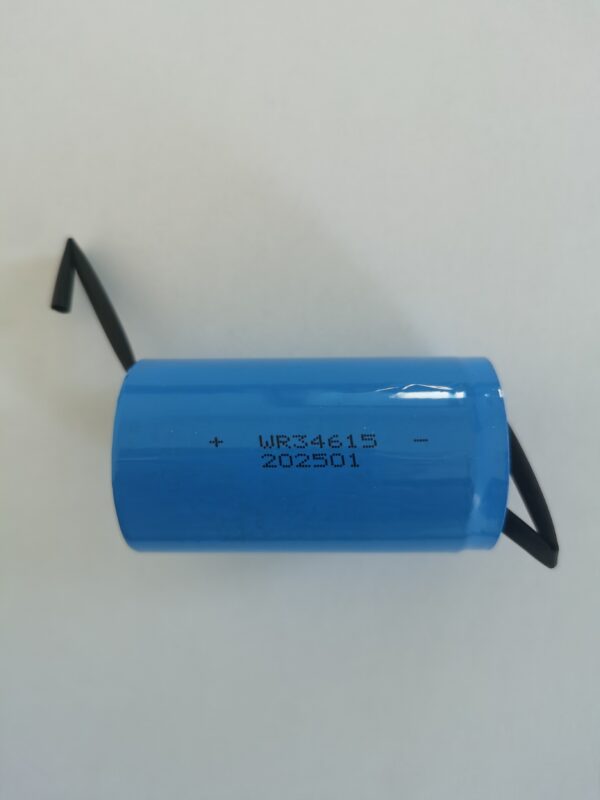
Here is the SEO-optimized article tailored for B2B professionals in the utility and metering industry.
Li-SOCl₂ Battery for Heat Meters: Selection & Usage Guide
When it comes to the reliable, long-term operation of utility infrastructure, the power source is often an afterthought—until it fails. In the specific domain of heat metering, the Lithium Thionyl Chloride (Li-SOCl₂) battery is the undisputed industry standard. As a manufacturer deeply entrenched in primary battery technology, we understand that selecting the right cell is not just about voltage; it is about ensuring data integrity, preventing leakage, and guaranteeing 15-20 years of maintenance-free operation in often harsh environments.
This guide is designed for engineers and procurement managers to navigate the technical nuances of Li-SOCl₂ batteries for heat meters, ensuring your selection aligns with the highest standards of safety and longevity.
Why Li-SOCl₂ is the “Gold Standard” for Heat Meters
Heat meters operate in a unique electrical environment. They require minimal current for the majority of their lifespan (sleep mode) but must deliver high pulses to drive valves or transmit data via M-Bus or wireless protocols. This “sleep-wake-pulse” cycle is where standard lithium batteries often fail.
- Unmatched Energy Density: Heat meters are typically sealed units with strict dimensional constraints. Li-SOCl₂ chemistry offers the highest energy density among commercial batteries, enabling a 15+ year lifespan without bulky packaging.
- Extreme Temperature Resilience: Installed in basements, boiler rooms, or unheated corridors, these devices face temperature extremes. Li-SOCl₂ cells function reliably from -55°C to +85°C, a range few chemistries can match.
- Low Self-Discharge: The annual self-discharge rate of a high-quality bobbin-type Li-SOCl₂ cell is less than 1%. This ensures the battery retains its capacity even after a decade of standby.
Key Technical Parameters for Selection
Selecting the wrong cell can lead to catastrophic failure, such as electrolyte leakage destroying the PCB. Here are the three critical parameters every engineer must verify:
1. Voltage Delay & Passivation
Li-SOCl₂ batteries suffer from “voltage delay” due to the formation of a passivation layer (LiCl) on the lithium anode. When a load is applied, the voltage can initially drop before recovering.
- The Risk: If the passivation is too heavy, the voltage may not recover quickly enough to power the microcontroller, causing a system reset.
- The Solution: Look for cells specifically designed for “low passivation” or those utilizing a hybrid electrolyte to minimize this delay. For heat meters, a 3.6V nominal voltage with a low initial voltage drop is essential.
2. Pulse Capability (The “Valve Test”)
The most strenuous test for a heat meter battery is opening or closing the valve. This requires a high current pulse (often 2A-5A) which standard Li-SOCl₂ cells cannot deliver due to high internal impedance.
- Technical Fix: You must select a cell with an internal hybrid layer or a carbon paste modification. This reduces the internal resistance, allowing the cell to deliver the necessary pulse power without collapsing the voltage.
- Rule of Thumb: Ensure the battery can maintain above 3.0V under a 2A pulse load at the end of its projected life.
3. Hermetic Sealing & Safety
Heat meters are often submerged in water or exposed to high humidity. A breach in the battery seal leads to corrosion and data loss.
- Requirement: The battery must feature a laser-welded hermetic seal and a qualified safety vent mechanism to handle internal gas pressure without rupturing.
Common Application Pitfalls (And How to Avoid Them)
Even the best battery can fail if the application environment is not properly managed. Based on our field experience, here are the top two causes of premature failure:
Pitfall #1: Ignoring the “First-Year” Passivation Rebuild
After manufacturing, if the battery sits idle for months before installation, the passivation layer rebuilds.
- The Problem: When the meter is first activated in the field, the high initial load can cause the voltage to sag below the cut-off voltage of the meter.
- Mitigation: Implement a “wet-up” period during production testing, or design the circuit with a slight delay before the first high-power transmission.
Pitfall #2: Soldering Heat Damage
Li-SOCl₂ cells are sensitive to excessive heat during the PCB assembly process.
- The Problem: Exposing the cell to temperatures above 120°C for more than 3 seconds can melt internal seals or damage the glass-to-metal seal.
- Mitigation: Strictly enforce hand-soldering only with a temperature limit of 110°C and a time limit of 3 seconds. Never use wave soldering for these cells.
Partnering with the Right Manufacturer
Selecting a Li-SOCl₂ battery is not a commodity purchase; it is a long-term partnership. Utility meters are safety-critical devices, and the battery is the heart of their reliability.
At CNS Battery, we specialize in定制 (customization) primary lithium solutions for the smart metering industry. We do not just sell cells; we provide technical support to ensure your specific pulse and voltage requirements are met.
If you are currently designing a heat meter or looking to replace a failing power source in your existing fleet, our team of engineers is ready to assist. We can help you navigate the datasheets and select the optimal chemistry for your specific operating profile.
Contact our technical sales team today to discuss your specific requirements or request samples for testing. We are committed to ensuring your heat meters operate reliably for the next two decades.
