
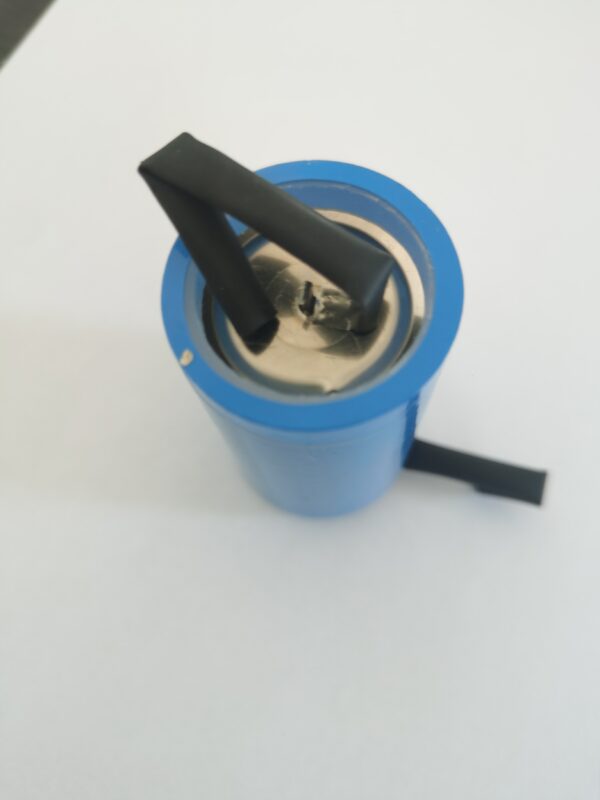
Here is the SEO-optimized article tailored for the Papua New Guinea mining industry, focusing on the technical specifications and reliability of Lithium Primary Batteries.
Uninterrupted Power for PNG Mines: The Superiority of Lithium Primary Batteries
The mining industry in Papua New Guinea (PNG) operates in some of the most challenging environments on the planet. From the dense, humid rainforests of the Highlands to the remote, rugged terrain of the island provinces, standard power solutions often fail. In these conditions, reliable energy storage isn’t just about convenience; it is a matter of operational safety and efficiency.
For decades, the industry has relied on alkaline or zinc-carbon batteries for remote sensors, safety equipment, and data loggers. However, these chemistries are prone to leakage and failure in high-temperature and high-humidity environments. This is where Lithium Primary Batteries (non-rechargeable lithium metal batteries) step in as the definitive solution.
Unlike their rechargeable counterparts, primary lithium batteries offer a unique combination of high energy density, extreme temperature tolerance, and incredibly long service life. For mining operations in Papua New Guinea, where maintenance access can be difficult and downtime is costly, switching to lithium metal technology is not just an upgrade; it is a necessity for resilience.
The Technical Edge: Why Lithium Metal?
To understand why lithium primary batteries are the gold standard for harsh environments, we must look at the chemistry.
1. Voltage and Energy Density
Standard alkaline cells provide 1.5V but suffer from a sloping discharge curve, meaning the voltage drops steadily as they deplete. In contrast, lithium primary cells (typically Lithium-thionyl Chloride or Lithium-Manganese Dioxide) provide a flat discharge curve of 3.0V to 3.6V. This means the equipment receives full power until the very last drop of energy is used.
Furthermore, lithium is the lightest metal and has the highest electrochemical potential. This translates to a specific energy density that is often 3 to 10 times higher than alkaline batteries. For portable mining equipment or remote telemetry units, this means lighter weight and longer runtime.
2. Thermal Resilience
PNG’s climate is characterized by high heat and humidity, which are the primary enemies of standard batteries. Lithium primary batteries are hermetically sealed and utilize non-aqueous electrolytes. This allows them to operate reliably in temperatures ranging from -55°C to +85°C. They are immune to the “memory effect” and do not suffer from capacity loss due to high ambient temperatures like aqueous electrolyte batteries.
3. Self-Discharge and Shelf Life
One of the most critical metrics for mining safety equipment is shelf life. A lithium primary battery can sit on a shelf or inside a piece of emergency equipment for 10 to 20 years with a self-discharge rate of less than 1% per year. This is vital for emergency beacons or gas detectors in PNG mines that may not be used daily but must function instantly when needed.
Rigorous Testing for Mining Safety
In the mining sector, you cannot simply trust the datasheet; you must verify the performance. Here are the key tests we recommend for validating lithium primary batteries in a Papua New Guinea context:
- High Humidity Cycling: Exposing the battery to 90%+ Relative Humidity (RH) at 40°C for extended periods to check for leakage or seal failure.
- Vibration Testing: Simulating the vibration from heavy machinery (drills, trucks) to ensure the internal structure remains intact.
- Pulse Testing: Many mining IoT devices (like GPS trackers or gas sensors) require high pulse currents. Testing the voltage delay (transient response) of Lithium-thionyl Chloride cells under load is essential.
CNS Primary Battery: Engineered for Global Standards
When sourcing lithium batteries for Papua New Guinea, it is crucial to partner with a manufacturer that adheres to international quality standards. CNS Battery has established a high technical barrier in the primary battery sector by strictly adhering to international certifications.
Our production lines are designed to meet EU and US technical standards, ensuring that the batteries shipped to remote locations like PNG are not just powerful but also safe. We utilize advanced manufacturing techniques to ensure every cell is a “masterpiece of craftsmanship,” featuring robust hermetic sealing to prevent electrolyte leakage—a common failure point in tropical climates.
The R&D capability at CNS focuses on solving the specific pain points of industrial clients. By integrating advanced technology with stringent quality management, we ensure that our batteries can withstand the mechanical shocks and thermal stresses found in mining environments.
Ready for Deployment in Papua New Guinea
If you are looking to upgrade your mining operation’s power infrastructure to eliminate battery-related failures, CNS provides the technical support and product reliability you need.
For technical inquiries or to discuss customized requirements for your specific mining equipment, please contact our sales manager directly.
Contact Us Today
📧 Email: amy@cnsbattery.com
📱 WhatsApp: +86 166 6811 2039
📍 Address: No.53, Science Avenue, Zhengzhou, China
