The Ultimate Guide to B2B 18650 LFP Cylindrical Battery Supplier Solutions in 2026
In the rapidly evolving landscape of industrial energy storage and portable power, the demand for high-performance, reliable, and customizable battery solutions has never been greater. As a seasoned lithium battery technology blogger, I have witnessed the paradigm shift towards Lithium Iron Phosphate (LFP) chemistry, particularly in the form of Cylindrical Battery Cells. For B2B clients and technical procurement managers, the search for a “18650 LFP Cylindrical Battery Supplier China” often leads to a crowded market. However, the true differentiator lies not just in the cell, but in the OEM Customization capabilities and the Complete Solution provided by the manufacturer.
This article dissects the technical nuances of 18650 LFP batteries, explores the engineering behind effective OEM customization, and highlights the specific technological barriers and regional adaptability that define industry leaders like CNS Battery.
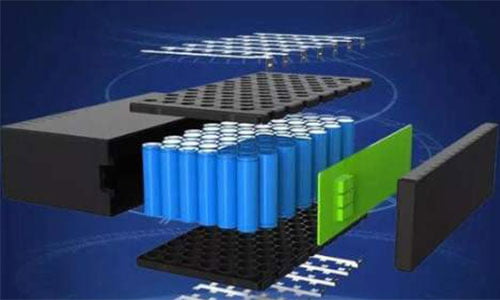
Understanding the 18650 LFP Cylindrical Architecture
The 18650 format—named for its 18mm diameter and 65mm length—has long been the industry standard. When combined with Lithium Iron Phosphate (LiFePO4) chemistry, it offers a unique balance of safety, longevity, and energy density.
Technical Principle: Unlike traditional NMC (Nickel Manganese Cobalt) batteries, LFP cells utilize an olivine crystal structure. This structure provides superior thermal stability and a longer cycle life (often exceeding 2000 cycles) because the P-O bond in the phosphate polyanion is stronger than the metal-oxygen bond in oxide materials. This makes the release of oxygen during thermal runaway much more difficult, significantly enhancing safety.
For engineers, the key advantage of the cylindrical design is its mechanical robustness. The “jellyroll” structure distributes internal pressure evenly, preventing deformation and ensuring consistent performance even under high discharge rates.
Decoding OEM Customization: Beyond Standard Specifications
When sourcing a B2B 18650 LFP Cylindrical Battery Supplier, standard off-the-shelf products often fall short of specific industrial requirements. True OEM customization involves a deep collaboration between the client and the manufacturer.
Key Customization Parameters:
- Form Factor & Tabs: While the cell is cylindrical, the external dimensions and tab configurations can be altered to fit specific battery pack designs.
- Discharge Rates: Customizing the internal electrode formulation to support specific continuous and pulse discharge currents (e.g., 1C, 3C, or even 10C rates).
- Temperature Range: Modifying electrolytes to ensure optimal performance in extreme environments, from sub-zero winters to scorching industrial settings.
- Safety Features: Integrating specific safety mechanisms like Current Interrupt Devices (CID) or enhanced venting systems based on the application’s risk profile.
A supplier that merely changes a label is not an OEM partner. A true OEM partner, like those found in advanced Chinese manufacturing hubs, offers Complete Solutions that include Cell development, Battery Management System (BMS) integration, and Module assembly.
Technical Advantages of 18650 LFP Solutions
The transition to LFP technology in cylindrical formats is driven by several compelling technical advantages:
- Thermal Stability: LFP cells have a thermal runaway onset temperature above 270°C, compared to ~150°C for some cobalt-rich chemistries. This makes them “Inherently Safe.”
- Cycle Life: With a stable crystal structure that undergoes minimal expansion and contraction during charge/discharge, LFP cells offer a significantly longer service life, reducing the Total Cost of Ownership (TCO) for industrial clients.
- Environmental Compliance: LFP chemistry is cobalt-free, making it more environmentally friendly and easier to comply with global regulations regarding conflict minerals.
Rigorous Testing Methodologies
To ensure reliability, a reputable 18650 LFP Cylindrical Battery Supplier must adhere to strict testing protocols. As a technical expert, I always advise clients to audit these processes:
- Cycle Life Testing: Cells are subjected to thousands of charge/discharge cycles at varying temperatures and depths of discharge (DoD) to validate longevity claims.
- Safety Abuse Testing: This includes NAIL penetration tests, crush tests, overcharge tests, and short-circuit tests to simulate real-world failure scenarios.
- Environmental Testing: Thermal shock tests (rapid temperature changes) and humidity tests to ensure the cell can withstand harsh operating conditions.
Technological Barriers and Regional Adaptability
The final, and perhaps most critical, aspect of selecting a B2B supplier is their ability to navigate Technological Barriers and meet regional standards. A “China Supplier” must not only produce cells but also ensure they are compatible with the target market’s regulations.
- EU Compliance: For the European market, batteries must comply with the EU Battery Directive and upcoming regulations regarding carbon footprint and recyclability. Suppliers must also adhere to REACH and RoHS standards, restricting hazardous substances.
- US Standards: In North America, UL certification (such as UL 1642 for cells and UL 2054 for battery packs) is mandatory. This involves rigorous safety testing to prevent fire and explosion hazards.
- Logistics & UN38.3: All lithium batteries shipped by air or sea must pass the UN38.3 transport safety test series, which simulates vibration, altitude, and impact conditions.
Conclusion: The Path to a Complete Solution
In conclusion, finding the right “18650 LFP Cylindrical Battery Supplier China” involves looking beyond the price tag. It requires identifying a partner that offers a Complete Solution encompassing technical expertise, rigorous quality control, and the ability to provide OEM Customization tailored to your specific engineering needs.
For technical procurement managers and engineers looking to solve complex power challenges, partnering with a manufacturer that understands both the chemistry of the cell and the compliance requirements of the destination market is the key to success in 2026 and beyond.
Ready to Solve Your OEM Customization Needs?
If you are looking for a partner that combines advanced R&D with global compliance expertise, explore the comprehensive range of cylindrical battery cells and complete solutions available.
- Contact Us to discuss your specific project requirements: https://cnsbattery.com/contact-2/
- Explore our Cylindrical Battery Cell Product Line: https://cnsbattery.com/products-3/cylindrical-battery-cell/
- Learn more about our capabilities as a leading Battery Manufacturer in China: https://cnsbattery.com/battery-manufacturers-in-china/